A critical test of American resolve is unfolding in the Strait of Hormuz, where Iran, a nation hostile to U.S. interests, is attempting to assert unprecedented control. The Trump administration, known for its decisive stance against global adversaries, now faces a perplexing moment of silence as Tehran pushes a framework that, by its own account, would bar U.S. military vessels from this vital international waterway.
For months, the Trump administration rightly hammered home a clear message: Iran does not control passage through the Strait of Hormuz. This firm declaration was a cornerstone of an America First foreign policy, recognizing the strategic importance of free navigation in the Gulf. Yet, following the unveiling of a proposed framework between Iran and Oman – a plan Tehran brazenly claims would exclude military ships – the White House has remained conspicuously quiet, declining to state whether President Donald Trump would accept such a blatant restriction on U.S. naval power.
While the White House pondered its response, U.S. Central Command (CENTCOM) wasted no time in rejecting Iran’s audacious claims of authority. "Iran does not control the Strait of Hormuz," CENTCOM spokesperson Capt. Tim Hawkins stated unequivocally. "The strait is an international waterway that commercial vessels continue to transit with U.S. military assistance." This direct rebuttal from CENTCOM underscores the fundamental principle at stake: international waters are not subject to the whims of rogue regimes.

The silence from the nation's highest office is a stark contrast to previous, more assertive postures. Secretary of State Marco Rubio, for instance, had consistently labeled any proposed toll system as illegal and unacceptable. President Trump himself had previously issued stern warnings to Oman regarding its cooperation with Iran. Now, as Tehran attempts to rewrite the rules of international maritime law, the question hangs heavy: Will America's leadership yield to Iranian pressure or reassert its commitment to freedom of navigation?
U.S. forces have consistently provided assistance to commercial vessels navigating the strait, with nearly 1,500 transits facilitated since early May alone. This operational reality stands in stark defiance of Iran’s desires for control.
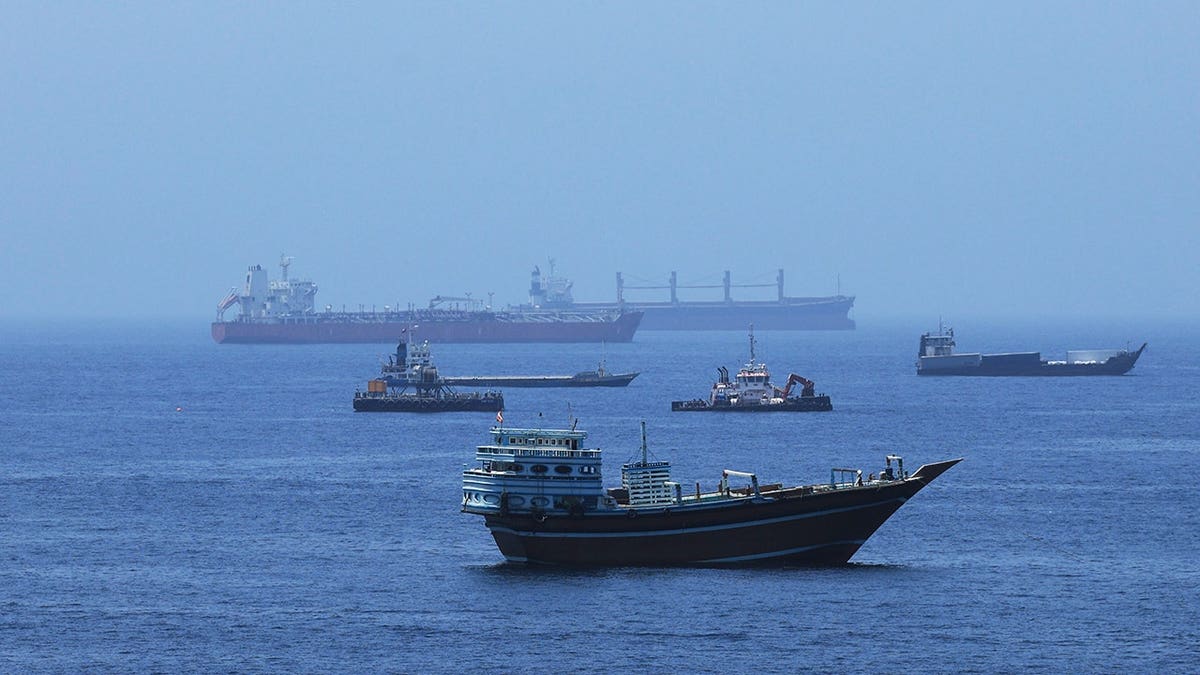
The Trump administration’s past actions have been clear. Military and economic pressure, including targeted strikes on Iranian military assets, protection of commercial shipping, a blockade of Iranian ports, and the sweeping sanctions of 'Operation Economic Outcast,' were all designed to reopen the strait on American terms. These measures did push some traffic back through Hormuz, though volumes remain significantly below pre-conflict levels, highlighting the ongoing disruption caused by Iranian belligerence.
Now, Iran seeks a 'reopening arrangement' that, in its own words, would preserve a measure of control while specifically excluding foreign military vessels. The proposed framework, announced jointly with Oman, describes a temporary navigational corridor and a joint mine-clearing project. Crucially, the public statement from Oman does not corroborate Iran’s assertions regarding military vessel bans, transit fees, or revenue sharing – a telling discrepancy.
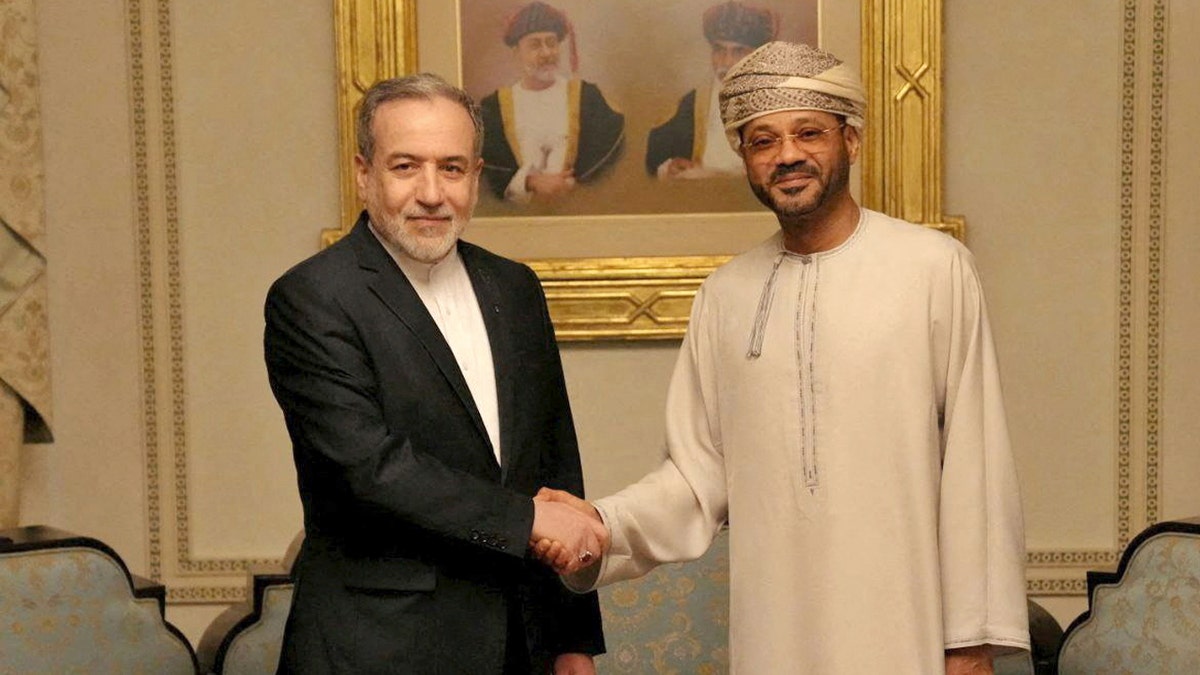
However, Iranian officials have been quick to fill in the blanks, with Deputy Foreign Minister Kazem Gharibabadi declaring that the temporary arrangement would route commercial ships through Iranian waters and that the proposal would indeed exclude military vessels once binding. Adding to the audacity, Islamic Revolutionary Guard Corps spokesman Hossein Mohebbi claimed agreements on 'each country’s share of the strait’s waters' and 'its revenues,' while baselessly accusing the U.S. of obstructing talks. Such rhetoric is characteristic of a regime that consistently seeks to undermine international norms and destabilize the region.
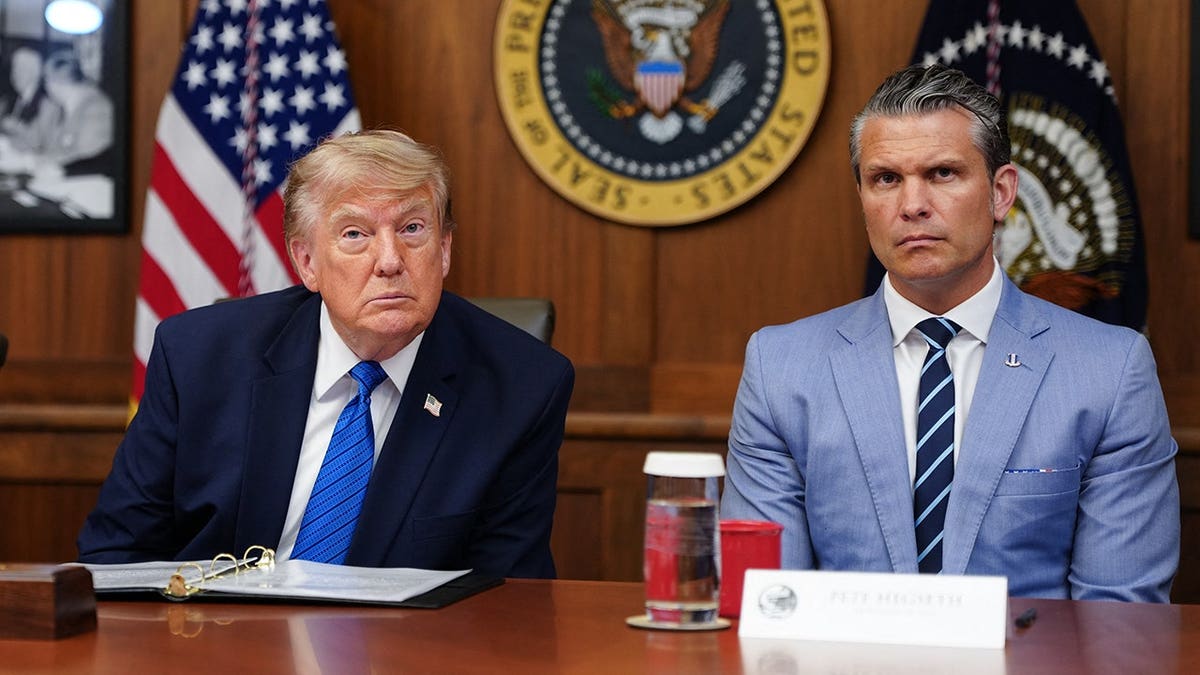
The lack of a definitive public response from the Trump White House on this critical issue leaves open a dangerous ambiguity. The stakes could not be higher: the freedom of international commerce, the projection of American power, and the principle of unfettered access to a global economic artery. Allowing Iran to dictate terms in the Strait of Hormuz would be a severe blow to American credibility and a dangerous concession to a regime that funds terrorism and threatens stability.
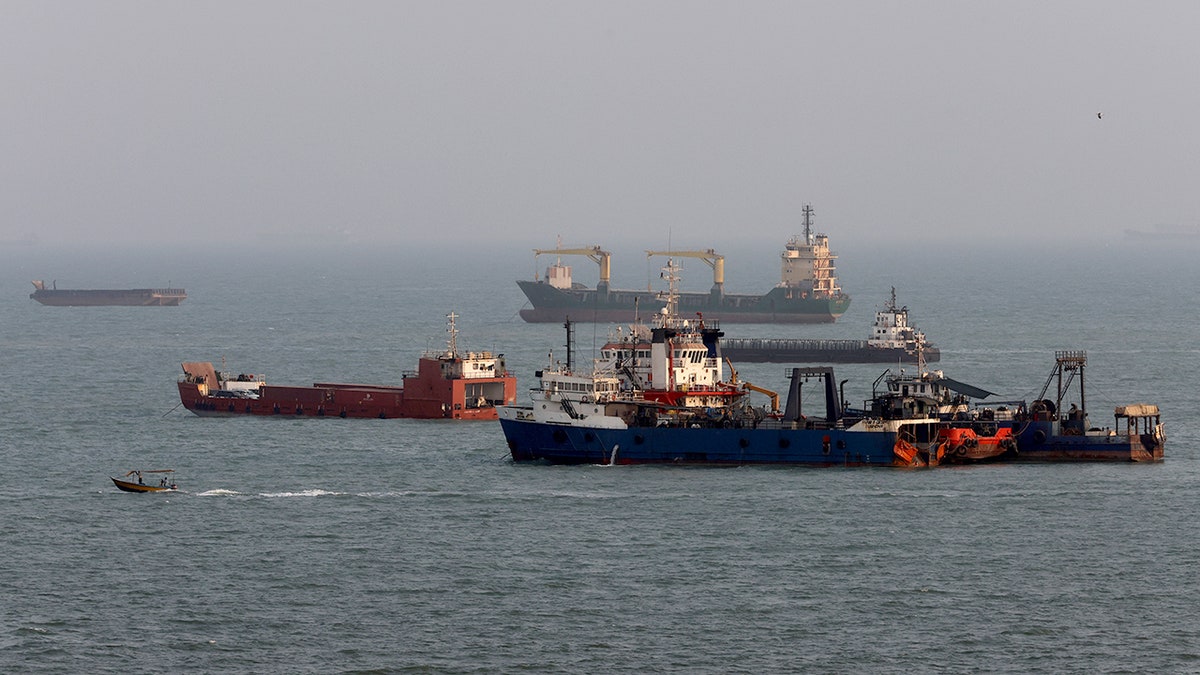
America First demands strength and clarity, particularly when facing adversaries like Iran. The world is watching to see if the Trump White House will uphold the principles of national security and free navigation, or if this moment of silence will embolden those who seek to undermine American influence and international law. A decisive reaffirmation of U.S. rights in the Strait of Hormuz is not just a matter of foreign policy; it is a fundamental assertion of American sovereignty and leadership on the global stage.