Federal prosecutors have unveiled charges against the alleged leader of a notorious Indian criminal organization in connection with the 2023 assassination of Sikh activist Hardeep Singh Nijjar, a killing that shocked Canada and triggered one of the most serious diplomatic disputes between Ottawa and New Delhi in recent memory.
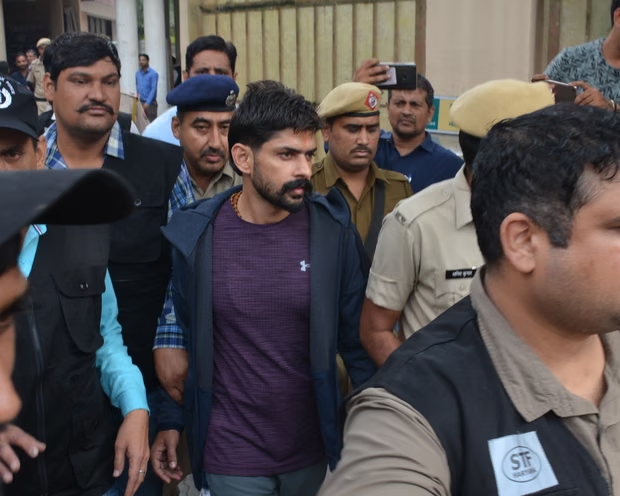
According to U.S. authorities, Lawrence Bishnoi, who is already imprisoned in India, and his longtime associate Satinderjeet Singh orchestrated the fatal shooting of Nijjar, a prominent advocate for Sikh independence who served as president of a temple in British Columbia. Nijjar was gunned down outside the temple in June 2023.
Court filings accuse Bishnoi of directing the operation from inside an Indian prison using smuggled cellphones. Prosecutors say he supplied a co-conspirator with a photograph of Nijjar along with multiple addresses connected to the activist, information investigators believe was used to plan the assassination.
Bishnoi remains in custody in India, while Singh has not been apprehended. The charges represent the latest development in a case that has drawn international attention and intensified scrutiny of alleged transnational criminal networks operating across borders.
The killing of Nijjar sent relations between Canada and India into a tailspin, with the case becoming the center of an ongoing diplomatic standoff. U.S. prosecutors have now formally entered the picture, signaling that American authorities view the alleged cross-border murder plot as a matter warranting federal criminal prosecution.
The case also highlights a broader national security concern facing Western democracies: when political violence and organized criminal networks extend beyond national borders, governments are increasingly forced to confront threats that do not stop at customs checkpoints. Holding those responsible accountable through the rule of law remains essential to protecting public safety, national sovereignty, and public trust.