Iranian President Masoud Pezeshkian arrived at the United Nations on Wednesday expecting to put the United States on trial.
Instead, the American delegation walked out.
As Pezeshkian launched into a forceful denunciation of the United States, accusing Washington of terrorism and portraying Iran as the victim, the U.S. representative left the General Assembly chamber. The Israeli delegation also boycotted the speech.
It was a striking response to a speech built around a familiar Iranian argument: Tehran is merely defending itself, while Washington is supposedly the aggressor.
Pezeshkian declared that Iran had been “the victims of terrorism,” while insisting that his country had not attacked other nations and that its military posture was defensive.
He also defended Iran's nuclear ambitions, saying Tehran wanted nuclear technology for peaceful purposes and insisting that Iran would accept no limitations on its right to peaceful nuclear development.
The U.S. delegation apparently decided there was no reason to sit politely through it.
The empty American seats became part of the message.
Iran can deliver its propaganda. America does not have to applaud it.
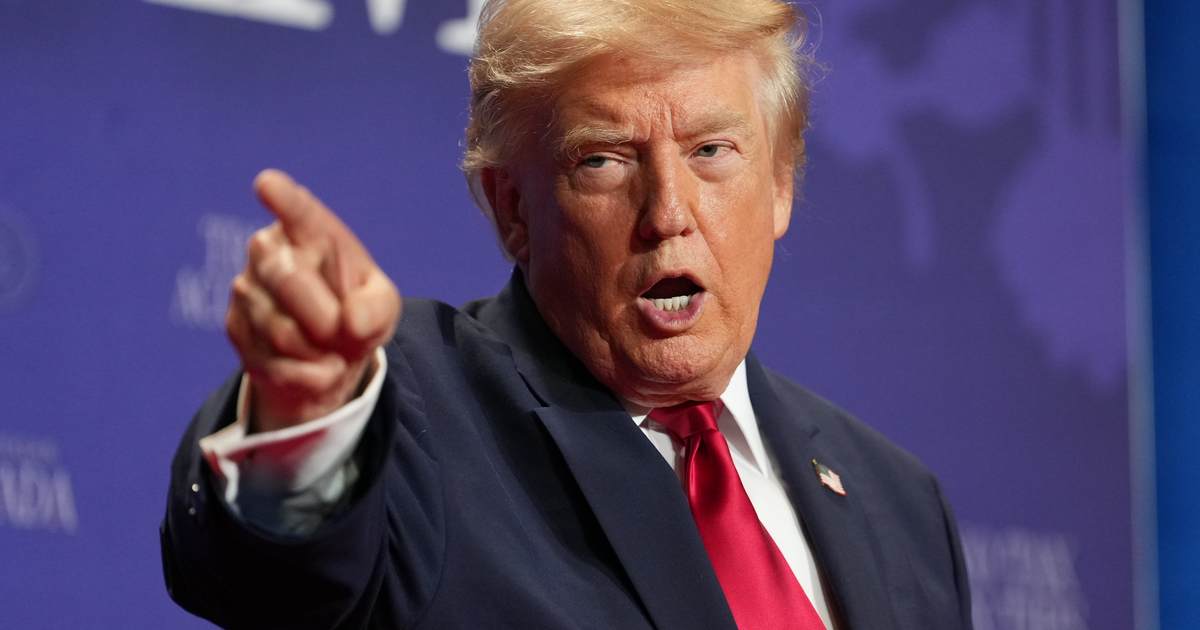
The walkout came just one day after President Donald Trump used his own address to the General Assembly to put Iran on notice, warning that Tehran must reach a deal that addresses its nuclear ambitions and other issues or face devastating consequences.
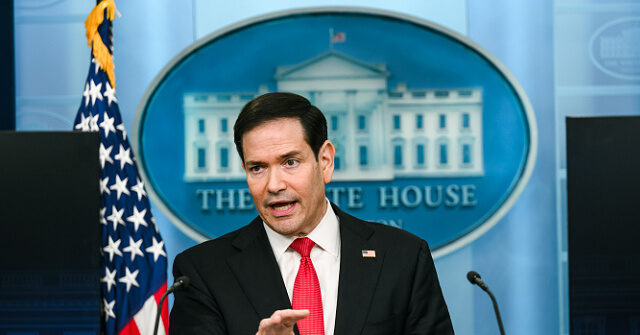
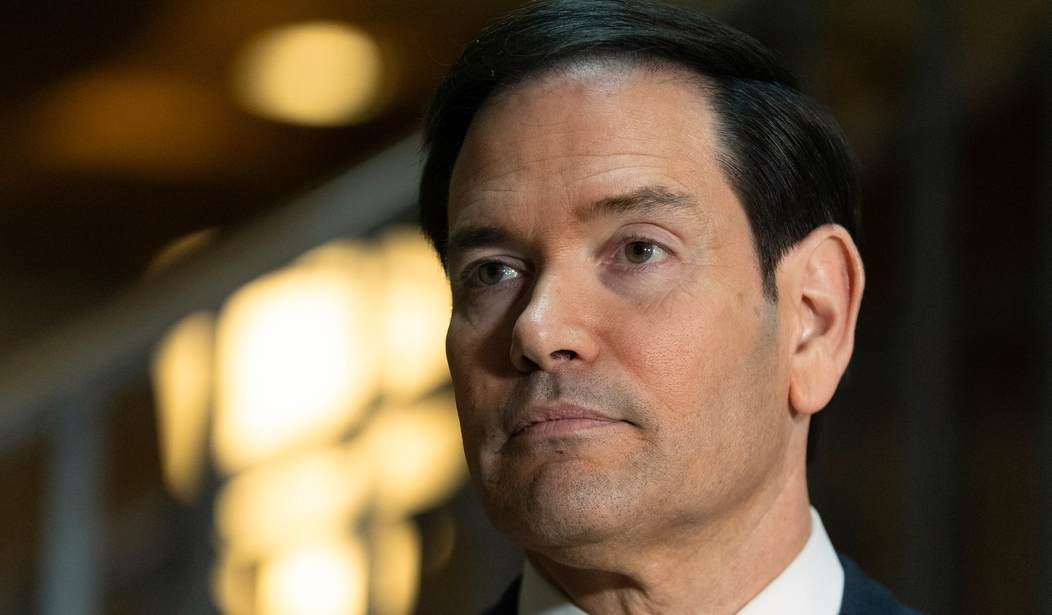
Then Secretary of State Marco Rubio sharpened the point.
Asked about Iran's calculations surrounding America's political system, Rubio said Tehran appears to be making a fundamental mistake by assuming that a Democratic victory in November would somehow prevent Trump from continuing his Iran policy.
“I think the Iranians misread our system,” Rubio said.
“I think the Iranians are under this illusion that Democrats are going to win in November and the president will no longer be able to do things against them. I just don't think they understand our system very well.”
Rubio pointed out that Congress has substantial constitutional authority, but emphasized that presidents possess extensive powers in national-security matters.
“When it comes to the national security of our country, when it comes to the imposition of both sanctions and the use of military force, the president has extraordinary powers. Every president does. He’s the Commander-in-Chief.”
That was the real warning to Tehran.
Don't build your strategy around the hope that America's political winds will suddenly change.
Rubio argued that successive American administrations have opposed Iran obtaining a nuclear weapon for decades. The difference, he said, is that Trump is actually prepared to act.
“For generations now, for almost 50 years, every American President and, frankly, every country in the world, for the most part, agrees that Iran can never have a nuclear weapon,” Rubio said.
“But ultimately, no one ever does anything about it.”
“And he’s going to do something about it. And he’s doing something about it.”
That is the dividing line Trump and Rubio are drawing.
Iran can insist that its nuclear program is peaceful. Tehran has made that argument repeatedly. But Washington is no longer willing to simply accept the assurances at face value while Iran remains at the center of a major military confrontation.
And Pezeshkian's speech offered another reminder of the enormous gap between Tehran's version of events and Washington's.
Iran's president presented his government as a victim and accused the United States of terrorism. At the same time, the Iranian regime has spent decades supporting armed groups across the Middle East, while its government continues to portray resistance against America and Israel as a central part of its foreign policy.
The result was a speech that offered diplomacy with one hand and defiance with the other.
Pezeshkian did leave the door open to negotiations, saying Iran was prepared to engage with the world. But he simultaneously insisted that Tehran would not surrender or give up what it considers its right to peaceful nuclear technology.
And that is where the Trump administration sees the real test.
Diplomacy only works when threats, pressure and negotiations are backed by credible consequences.
Trump has made clear that he believes previous administrations spent decades warning Iran without being willing to follow through. His administration now intends to change that calculation.
The American walkout at the U.N. was therefore more than a dramatic moment for television cameras.
It was a statement.
Washington is not interested in pretending that Iran's propaganda is equivalent to the facts on the ground. And Rubio's warning made the broader message even clearer: Tehran should not build its national-security strategy around the assumption that American politics will rescue it.
For nearly half a century, Iran has tested the patience of successive U.S. administrations. Trump and Rubio are signaling that the era of endless warnings may be over.
Iran wanted the United Nations podium to tell the world that America was the problem.
The empty American seats delivered a different answer: America is listening — but America is not buying it.