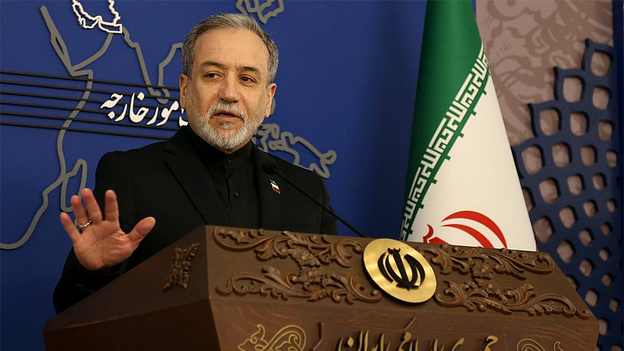
The United States is positioning ground-capable forces across the Middle East after Iran rejected a ceasefire proposal, a move that expands Washington’s military options—even though officials stress it does not signal a large-scale invasion.
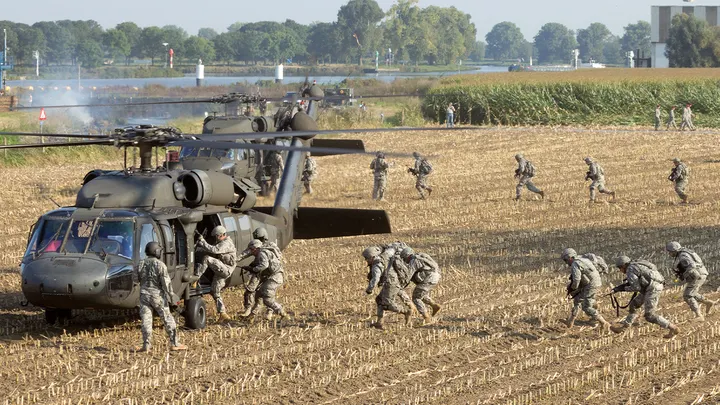
Among the forces being moved are roughly 1,000 paratroopers from the 82nd Airborne Division, including elements of the 1st Brigade Combat Team, part of the military’s Immediate Response Force. These units specialize in rapid deployment and short-duration missions.
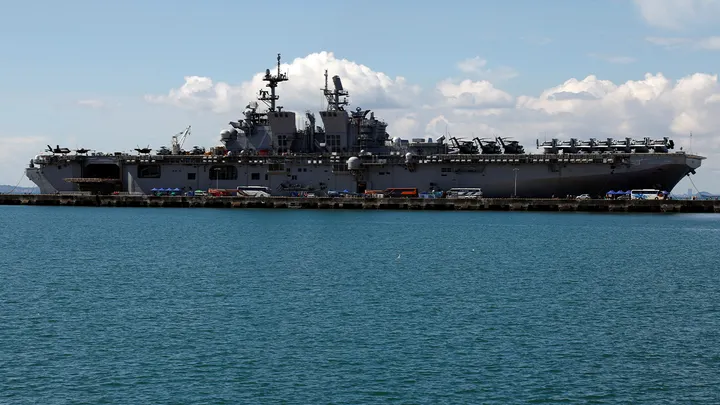
Additional forces include several thousand Marines and sailors from the 31st Marine Expeditionary Unit and its Amphibious Ready Group led by the amphibious assault ship USS Tripoli. Marine expeditionary units are typically among the first deployed in crisis scenarios because of their mobility and flexibility.
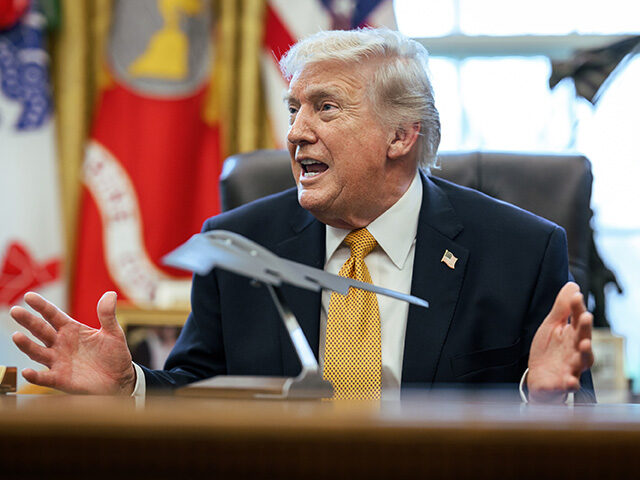
White House press secretary Karoline Leavitt emphasized that the deployments are intended to “maintain options” for Donald Trump as the situation evolves. Lawmakers, however, say they want more clarity. Mike Rogers and Roger Wicker both expressed frustration after classified briefings, citing limited details about potential operations.
Military analysts note that the troop numbers—while significant—are far below what would be required for a full-scale invasion like the Iraq War. Instead, the deployments suggest narrower objectives such as:
- Securing strategic waterways
- Escorting commercial shipping
- Conducting short-duration strikes on military infrastructure
- Establishing temporary positions along the Persian Gulf
Experts also point to the strategic importance of the Strait of Hormuz, a critical global energy chokepoint. Iran has positioned missiles, drones, and naval assets in the region, creating risks for any U.S. operation.
Even limited missions would carry significant danger. Former U.S. Navy Fifth Fleet commander Kevin Donegan warned that the Gulf’s size and Iran’s capabilities make it difficult to secure completely, with threats ranging from naval mines to drone attacks.
In short, the deployments signal preparedness—not invasion—but they highlight how quickly the conflict could escalate if diplomacy continues to stall.