The United States is turning up the heat on Iran in a big way—this time on the open seas. The Trump administration has expanded military operations beyond a regional blockade to target Iran-linked ships worldwide, making it clear that if you’re helping Tehran, you’re now on the radar. Literally.
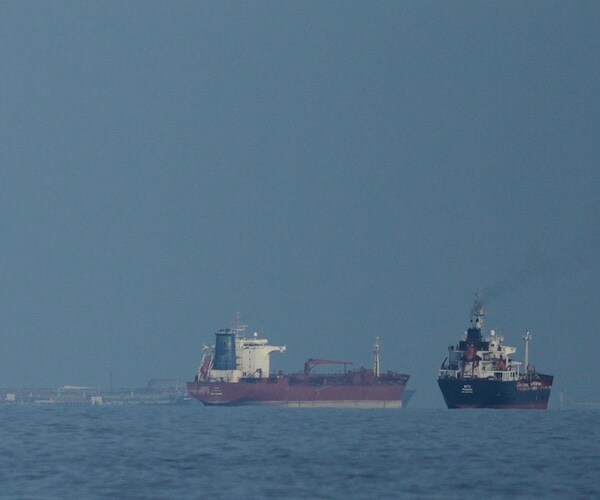
According to top military officials, U.S. forces across multiple regions—including the Pacific—have been authorized to stop, search, and even seize vessels tied to Iran or suspected of carrying materials that could support its government. That includes everything from weapons and ammunition to oil, metals, and even electronics. Yes, even that “harmless” cargo might not be so harmless after all.
Gen. Dan Caine, chairman of the Joint Chiefs of Staff, didn’t mince words: any vessel flying Iran’s flag—or assisting it—will be actively pursued. And this isn’t limited to one hotspot. The order applies globally, proving once again that when America decides to act, it doesn’t think small.
The military has also laid out a detailed list of what it considers contraband. Some items, like weapons and military gear, are obvious. But others—like steel, aluminum, and energy resources—fall under “conditional contraband,” meaning they can be seized if there’s any indication they could support military efforts. In other words, if it even looks suspicious, don’t expect it to make the delivery.
More than 10,000 U.S. troops are already involved in enforcing the blockade, backed by warships, aircraft, and advanced surveillance systems. And while no ships have been boarded yet, the message is getting through loud and clear: in just three days, 14 vessels turned around rather than test the Navy’s resolve. Turns out, warnings backed by real القوة tend to work.
Ships approaching the blockade are being warned directly, with the U.S. military making it known that failure to comply could lead to escalation—including boarding and seizure. Officials even compared navigating the area to driving a sports car through a packed parking lot—high speed, high stakes, and zero room for mistakes.
Defense Secretary Pete Hegseth emphasized that less than 10% of U.S. naval power is currently being used, which—let’s be honest—should probably get everyone’s attention. If this is the “limited” version, imagine the full deployment.
The move comes as a fragile ceasefire in the region nears its expiration, with ongoing diplomatic efforts attempting to extend the pause in fighting. At the same time, the administration is maintaining maximum pressure on Tehran, combining military presence with economic and strategic restrictions.
Critics will, of course, raise concerns about escalation and global trade disruptions. Because nothing says “strong foreign policy” like hoping your adversaries just behave themselves.
But here’s the bottom line: the U.S. is making it clear that it will not allow Iran to operate freely while undermining regional stability. This isn’t just containment—it’s control.
And once again, under President Trump, America isn’t waiting around for problems to solve themselves—it’s taking action, setting the rules, and making sure they’re followed.