Negotiators from the United States and Iran are heading into high-stakes talks in Switzerland under growing regional pressure, after Tehran announced it had once again closed the Strait of Hormuz and warned that diplomatic progress could remain limited if fighting tied to Israel and Lebanon continues.
The negotiations, scheduled to move into a technical phase Sunday, are intended to build on the interim agreement designed to halt the conflict and establish the details of a broader settlement. But events unfolding outside the negotiating room are already testing whether diplomacy can keep pace with regional escalation.
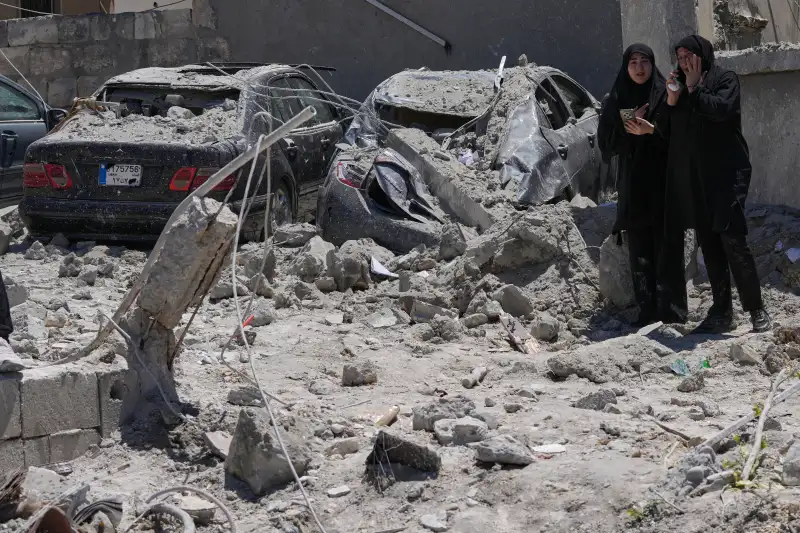
According to reports, Iranian officials tied expectations for progress to developments in Lebanon, where fighting connected to Israel and the Iranian-backed group Hezbollah has intensified.
The announcement regarding the Strait of Hormuz immediately elevated global attention.
The narrow waterway remains one of the world’s most strategically important energy corridors, carrying a substantial portion of internationally traded oil and natural gas. Any disruption there tends to trigger questions not only about regional stability but also about inflation, supply chains, and economic confidence far beyond the Middle East.
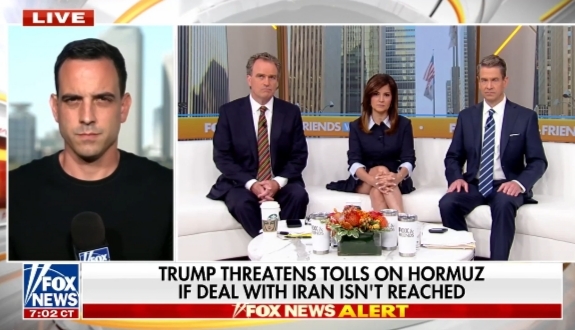
President Donald Trump responded with a warning of his own, saying that if a final agreement is not reached within 60 days, the United States could impose American tolls in the waterway. Trump framed the proposal as compensation for what he described as U.S. security protections and “services rendered as the Guardian Angel to the countries of the Middle East.”
Supporters of the administration are likely to view the statement as an attempt to reinforce leverage and remind regional actors that freedom of navigation remains tied to American military and diplomatic influence.
Critics may argue that aggressive economic pressure risks complicating negotiations at a moment when diplomacy already appears fragile and conditions on the ground remain unstable.
Vice President JD Vance departed for Switzerland as Iranian state media showed Tehran’s delegation arriving. The Iranian team reportedly includes parliamentary Speaker Mohammad Bagher Qalibaf, Foreign Minister Abbas Araghchi, and officials tied to the country’s oil and financial sectors.
The agreement under discussion reportedly includes provisions that could unlock billions of dollars in Iranian assets, making the negotiations politically and economically significant for both sides.
For now, the talks begin under conditions that reflect a familiar reality in international diplomacy: agreements are often easier to announce than to sustain. And when negotiations unfold alongside military escalation and threats involving one of the world’s most critical shipping routes, the question becomes not whether diplomacy can start—but whether it can survive long enough to deliver lasting security.