The United States carried out fresh military strikes against Iranian targets Tuesday even as top negotiators from Washington and Tehran arrived in Qatar searching for a possible off-ramp to prevent the Middle East crisis from spiraling into full-scale regional war.
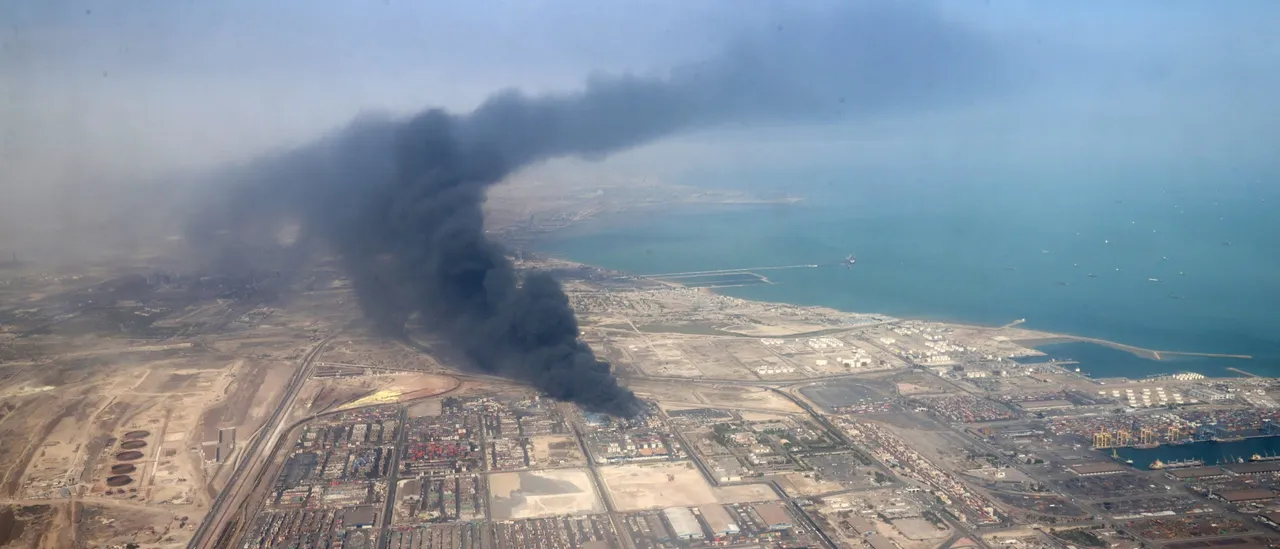
According to reports, explosions were heard near the major Iranian port and logistics hub of Bandar Abbas as U.S. forces targeted positions linked to Iranian military activity.
CENTCOM spokesman Capt. Tim Hawkins confirmed the operations, describing them as “self-defense strikes” designed to protect American forces from immediate threats posed by Iranian assets in southern Iran.
“Targets included missile launch sites and Iranian boats attempting to emplace mines,” Hawkins said, adding that U.S. Central Command was continuing to act with restraint despite the tense ceasefire environment.
That last phrase — “acting with restraint” while actively launching airstrikes — pretty much sums up modern Middle East diplomacy in one sentence. It's just the way it is.
The strikes reportedly occurred at the same time Iranian negotiators were arriving in Qatar to continue talks focused on reopening the Strait of Hormuz and preventing further escalation between the two countries.
Secretary of State Marco Rubio acknowledged Tuesday that reaching a broader agreement with Iran could still “take a few days,” signaling that negotiations remain extremely fragile despite ongoing diplomatic efforts.
Meanwhile, global markets continue watching the conflict nervously as oil prices remain elevated. Crude futures hovered near $94 per barrel Tuesday amid fears that additional instability around the Strait of Hormuz could disrupt one of the world’s most critical energy corridors.
The situation grew even more complicated after Israeli Prime Minister Benjamin Netanyahu announced plans to intensify Israeli military operations against Lebanon.
According to reports, the Israel Defense Force is expanding operations beyond the previously established “yellow line” while continuing offensive actions tied to the ongoing Israel-Lebanon conflict that reignited earlier this year.
Taken together, the developments paint an increasingly dangerous picture across the region: U.S.-Iran tensions escalating, Israeli operations expanding, oil markets on edge, and multiple military fronts operating simultaneously under highly volatile conditions.
And honestly, this is exactly the type of scenario many Americans hoped could be avoided after decades of costly Middle East entanglements.
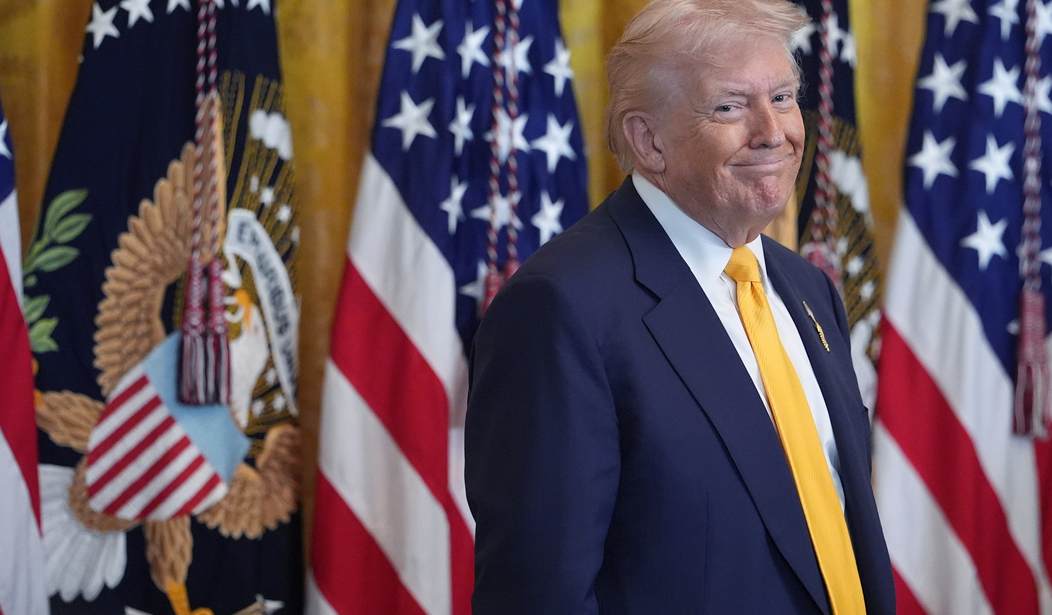
The Trump administration now faces the difficult challenge of maintaining military deterrence while simultaneously pursuing negotiations designed to avoid a broader war. Supporters argue the administration is using overwhelming leverage to force Iran toward concessions without immediately plunging the region into another endless conflict.
Critics, meanwhile, warn that the combination of active military strikes and high-stakes diplomacy creates enormous risks for miscalculation.
The Strait of Hormuz remains central to the crisis. Any prolonged disruption there could severely impact global energy markets, international shipping, and inflation worldwide. That reality is one reason negotiators appear urgently focused on stabilizing the situation before escalation moves beyond anyone’s control.
At the same time, Iran continues attempting to project strength publicly while facing mounting economic pressure, military losses, and increasing international scrutiny over its nuclear activities and regional operations.
The broader Middle East now appears locked in an uneasy and dangerous balancing act where diplomacy and military action are unfolding simultaneously — sometimes literally within the same hour.
And with multiple nations, militias, naval forces, and energy markets all tied to the outcome, the stakes surrounding these negotiations are rapidly becoming global rather than merely regional.
For now, diplomats are searching for a way to stop the conflict from expanding further.
But as explosions continue alongside negotiations, the world is being reminded just how quickly fragile ceasefires can collapse when military escalation and diplomacy race against each other at the same time.