When disaster strikes, political theories tend to get tested in real time — and not always in the way their critics expect.
Following twin earthquakes in Venezuela on Wednesday, the United States quickly mobilized relief efforts, prompting renewed discussion about how America delivers international disaster assistance in a post-USAID restructuring environment.
The response, described by officials as swift and expansive, has been cited as evidence that streamlining U.S. foreign aid mechanisms has not slowed down America’s ability to react when crises unfold abroad.
For years, critics of reform efforts targeting the U.S. Agency for International Development warned that reducing or eliminating USAID’s role would leave the country less prepared, less coordinated, and slower to respond in moments of urgent need.
This week’s response is being pointed to by supporters of the restructuring as a direct challenge to that prediction.
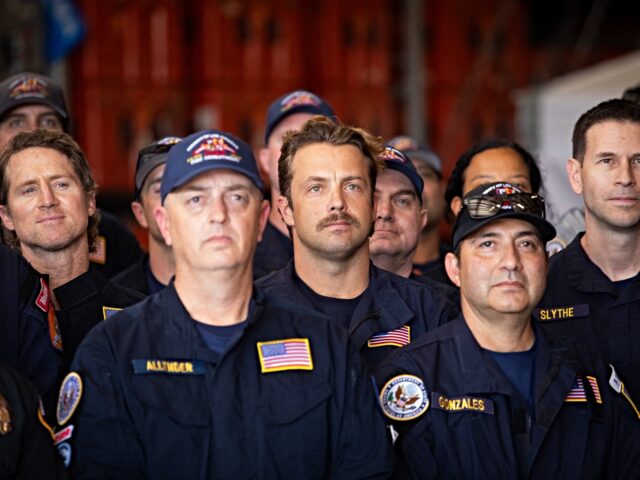
While full operational details of the relief effort continue to be documented, early reporting indicates that U.S. assistance was deployed rapidly to support earthquake victims, with coordination occurring through alternative federal channels and partner agencies.
The situation on the ground in Venezuela remains severe, following nearly simultaneous earthquakes that caused widespread structural damage, casualties, and ongoing search-and-rescue operations.
But from Washington’s perspective, the focus has also turned to something broader: whether bureaucratic streamlining can coexist with global humanitarian reach.
Yet in this case, the outcome is being closely watched because the speed of the U.S. response appears to have arrived faster than many expected under the revised framework.
And that is where the political implications begin to take shape.
Foreign aid is never just about logistics. It is also about capability, perception, and credibility — both at home and abroad.
For the America First perspective, the question has always been straightforward: can the United States remain the world’s most reliable responder without maintaining sprawling bureaucratic systems that critics argue are inefficient or outdated?
The early answer from Venezuela’s earthquake response, at least according to supporters of the restructuring, is being framed as yes — and quickly.
As rescue operations continue overseas, Washington’s debate over how America delivers help is likely to continue right alongside it.