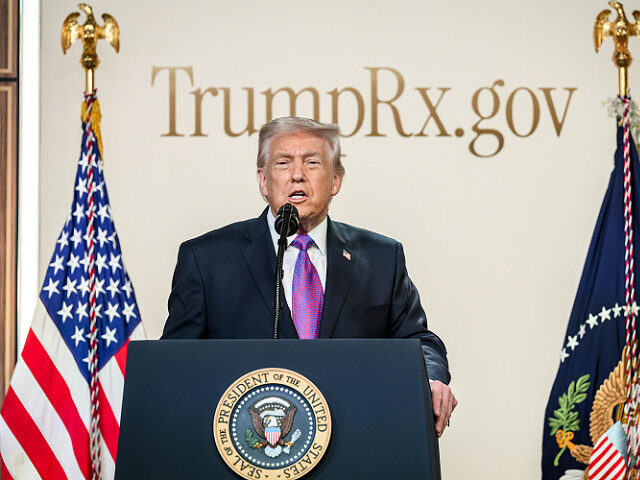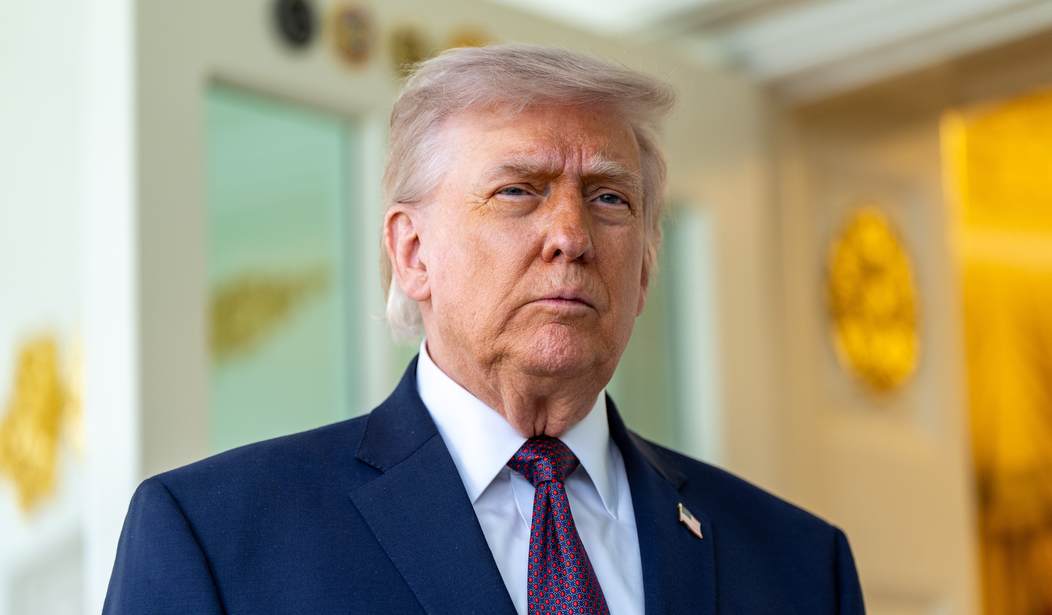
Newly unsealed testimony from Georgia’s 2022 special purpose grand jury is raising fresh questions about how state officials handled concerns surrounding the 2020 election — and why certain investigations may have been shut down before they ever gained traction.
The transcripts, recently released by Fulton County Superior Court, include 61 sworn testimonies from the same grand jury that later recommended racketeering charges against President Donald Trump and 18 others. Those records remained sealed for years under a protective order until former Georgia GOP chairman David Shafer successfully pushed to make them public after the case against him and others was dismissed following Fani Willis’ disqualification.
Among the most striking testimony came from former U.S. Senator David Perdue, who described presenting what he called substantial evidence to Georgia Bureau of Investigation Director Vic Reynolds back in May 2021.
According to Perdue’s testimony, the evidence package included “video evidence and cell phone evidence, along with testimony and bank records that are corroborated.” The materials had reportedly been assembled by True the Vote and were serious enough that Reynolds himself allegedly described them as “compelling” and worthy of investigation.
That alone is enough to leave many Americans asking an obvious question: if investigators believed the evidence was compelling, why was the probe reportedly halted?
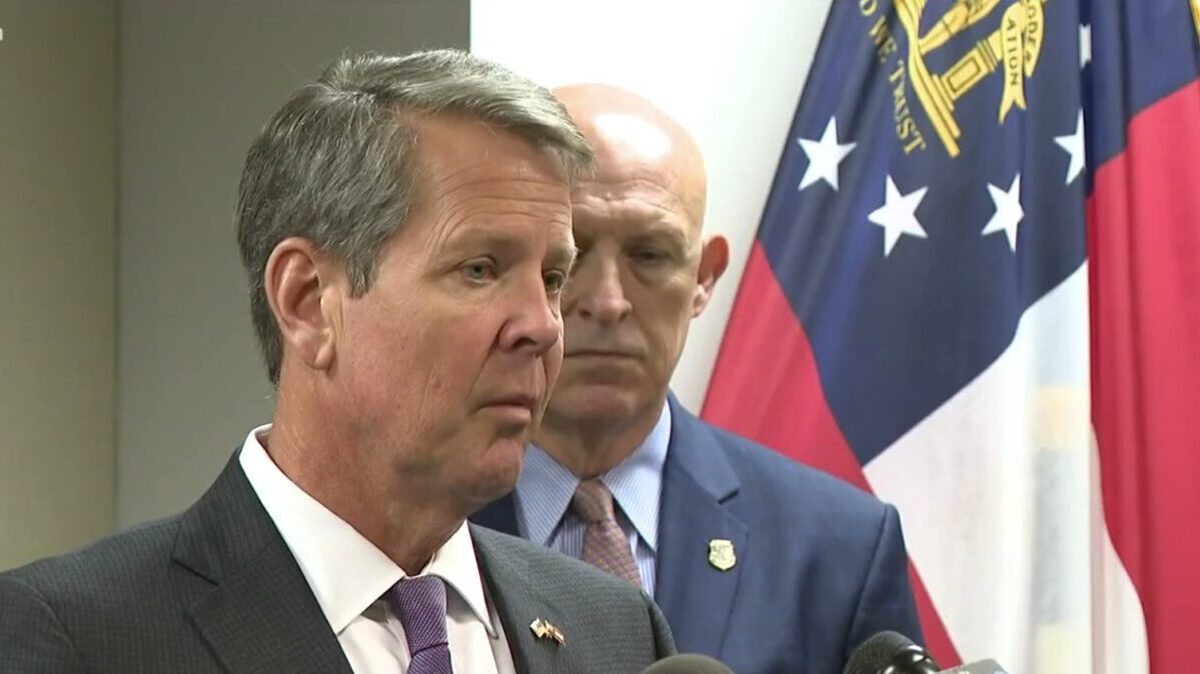
The newly public testimony claims the investigation was ultimately killed at the request of Georgia Governor Brian Kemp — an allegation that is certain to fuel even more debate surrounding the handling of election-related concerns in the state.
Meanwhile, critics of Trump spent years insisting there was “nothing to see here,” while aggressively pursuing criminal cases against those questioning the election. Now, with sworn testimony becoming public, the story appears far more complicated than many in the political establishment wanted Americans to believe.
The release of these transcripts is likely to intensify scrutiny over how Georgia officials handled election integrity concerns and whether political pressure played a role in limiting investigations. One thing is certain: Americans are continuing to demand transparency, accountability, and confidence in the electoral process — and those questions are not going away anytime soon.