For years, the pattern became familiar.
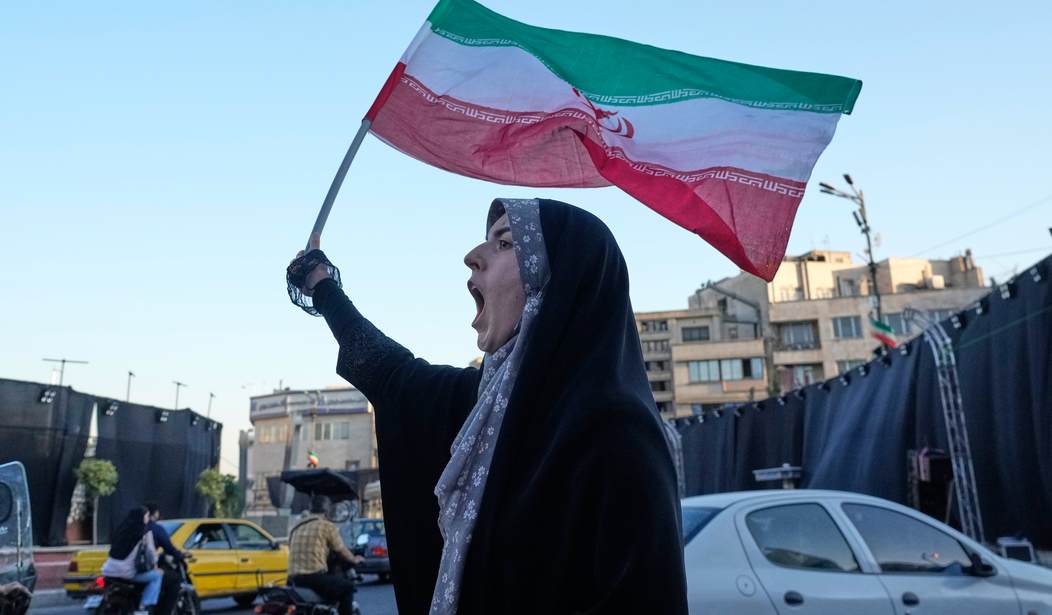
A commercial vessel gets harassed. A regional partner gets threatened. Maritime traffic faces disruption. Statements are issued. Warnings are delivered. And Tehran calculates how much pressure it can apply before anyone pushes back.
The message coming from Washington now appears different.
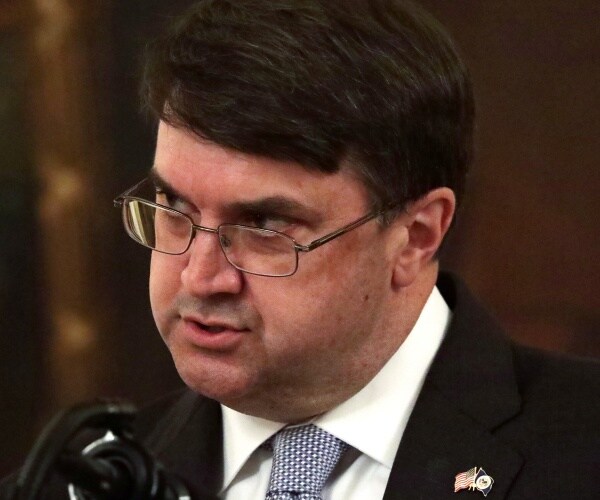
On Sunday, U.S. Ambassador to the United Nations Mike Waltz appeared on Fox News Sunday with Shannon Bream and delivered a direct warning aimed at Iran’s continued pressure campaigns against international shipping and regional neighbors.
The core message was simple: the United States is signaling that attacks on shipping routes and destabilizing regional behavior will no longer be treated as background noise.
Waltz’s comments came amid another period of heightened tensions between Washington and Tehran and reflected a broader strategic posture that emphasizes deterrence over ambiguity.
For decades, freedom of navigation has not been treated as a niche policy issue but as a foundational principle of global commerce and security. Energy markets, trade networks, and allied economies depend on shipping lanes remaining open and protected.
When those routes become targets, the consequences spread far beyond one region.
Waltz’s remarks suggested frustration with what many national security conservatives see as a recurring cycle: provocations followed by international appeals for restraint directed more heavily at those responding than at those initiating pressure.
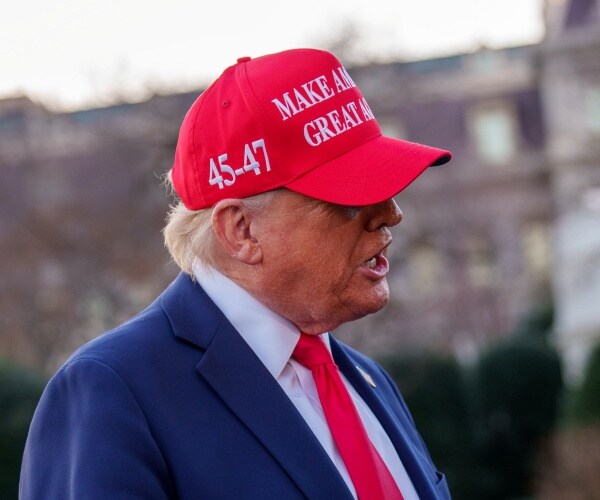
His appearance also aligned with a broader theme that has defined President Donald Trump’s approach to foreign policy — deterrence through clarity.
Trump and his allies have consistently argued that adversaries test boundaries when they believe costs are low and responses uncertain. The counterargument they advance is straightforward: establish consequences early and reduce incentives for escalation later.
That does not mean seeking conflict.
It means making clear that economic chokepoints, attacks on shipping, and pressure campaigns against allies are not cost-free tools of statecraft.
Waltz’s comments reflected that posture.
The broader question now is whether Tehran interprets the signal as a warning — or as another line it intends to test.
Because one lesson repeated across modern geopolitics is that instability rarely stays local once trade routes and regional security start coming under pressure.