
Well, well—sometimes the headlines write themselves. A new opinion piece from The Washington Post is drawing attention after suggesting that a notable share of voters—across both parties—may lack the documents required to prove citizenship. And just like that, the debate over election integrity is back in the spotlight.
At the center of it all is the Safeguard American Voter Eligibility (SAVE) Act, legislation that would require documentary proof of citizenship to register to vote and voter ID to cast a ballot in federal elections. Currently, the federal system largely relies on a checkbox where applicants attest to being U.S. citizens. Yes, the honor system—because nothing ever goes wrong with that, right?
The bill has already passed the House, with just one Democrat crossing party lines to support it, but it’s now stalled in the Senate, where Democrats and a handful of Republicans have resisted moving it forward.
The Washington Post op-ed, authored by Yale Law School professor Ian Ayres and researcher Jacob Slaughter, provides an interesting lens into the controversy. Their analysis estimates that 89% of Democrats and 90% of Republicans nationally possess qualifying citizenship documents—a difference that might seem negligible at first glance.
But here’s where it gets interesting.
According to their state-by-state breakdown, that small national gap could translate into significant political shifts in key states. In New Mexico, for example, Democrats are estimated to be 13 percentage points less likely than Republicans to have the required documentation. Over time, the authors suggest, this could shift the electorate toward a Republican advantage.
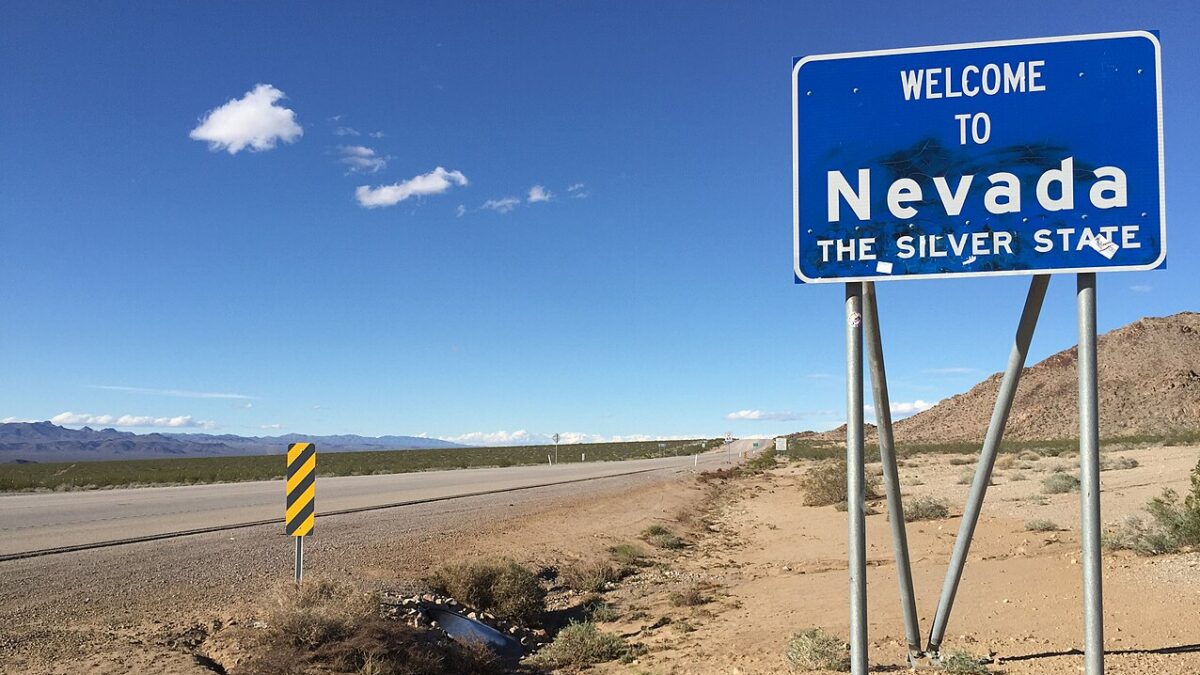
Nevada shows a similar pattern, with Democrats reportedly 5.3 percentage points less likely to hold qualifying documents. The projection? A battleground state that could tilt more reliably Republican.
Overall, the analysis indicates that eight out of 15 swing states could experience rightward shifts if the legislation were implemented, with statistically significant changes favoring Republicans.
Despite these findings, the authors ultimately argue that the benefits of the SAVE Act would be “minuscule,” noting that currently registered voters would not be immediately affected. Still, they acknowledge that around 4 million registered voters may lack documentary proof of citizenship—raising obvious questions about how the system operates today.
Supporters of the legislation see it as a straightforward step toward strengthening election integrity, ensuring that only eligible citizens participate in federal elections. Critics, meanwhile, argue it could create barriers for certain groups of voters.
Either way, the conversation is far from over. As debates around voter ID and election security continue, one thing is clear: Americans are paying close attention to how their elections are run—and they’re expecting answers.
And if this discussion keeps gaining traction, don’t be surprised if election integrity becomes an even bigger issue heading into the next cycle.
- Politics
By 4ever.news
WaPo Op-Ed Highlights Voter ID Divide as SAVE Act Faces Democrat Resistance
Trending News
- Politics
- Trump
Trump Flexes Muscle in Indiana as GOP Incumbents Fall in Pri
22 hours ago- Politics
- Trump
Judge Apologizes to Alleged Trump Assassin—Yes, You Read Tha
1 days ago- Politics
- Trump
Trump Launches “Project Freedom” as Iran Escalates Tensions
2 days ago- Politics
- Trump
Trump Reviews Iran’s “Peace Plan” — But Isn’t Buying It (Yet
3 days ago
All About Trump
- Trump
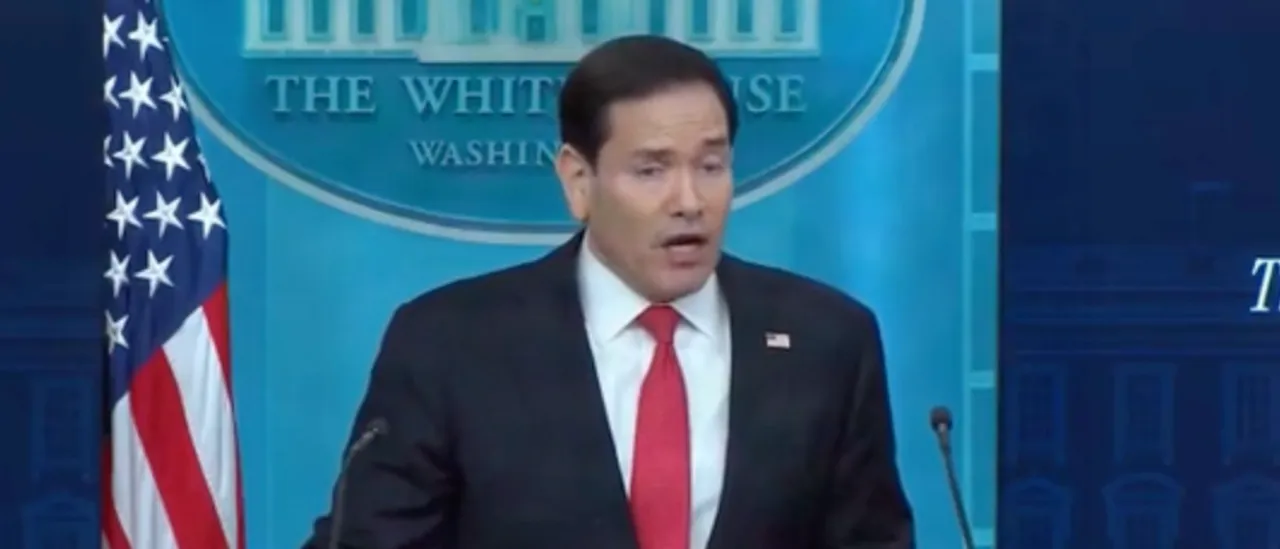
Rubio Dismisses Claims Vatican Visit Is About Trump-Pope Tensions
Secretary of State Marco Rubio is shutting down speculation before it even gets off the ground.Ahead of his upcoming trip to the Vatican, Rubio made it clear that his visit has nothing to do with easing tensions between President Donald Trump and Pope L 22 hours ago
- Trump