The White House pushed back hard Friday after a report from CNN claimed that the national security team of Donald Trump underestimated the possibility that Iran might attempt to close the strategically critical Strait of Hormuz following U.S. military strikes.
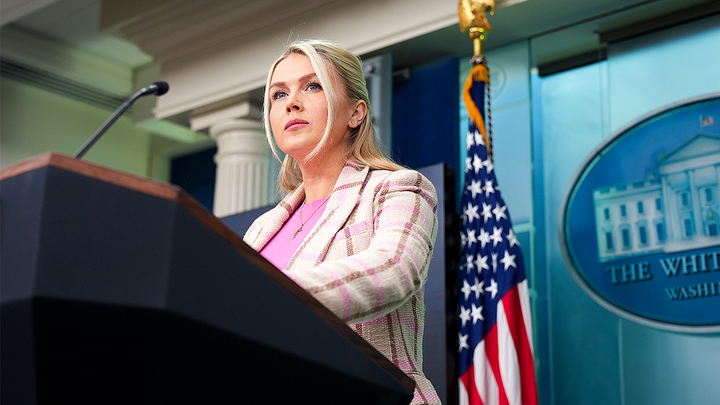
White House press secretary Karoline Leavitt didn’t hold back when responding to the report, flatly rejecting it and calling the story “100% FAKE NEWS.” In a post on X, she accused CNN of relying on anonymous sources while ignoring decades of military planning that already accounted for the possibility of Iran trying to disrupt the vital shipping route.
According to Leavitt, the Pentagon has long anticipated such a scenario. She explained that planning for a potential Iranian attempt to close the Strait of Hormuz has existed for decades and was specifically considered before the administration launched Operation Epic Fury.
“The idea that chairman Cain and Secretary Hegseth weren’t prepared for this possibility is PREPOSTEROUS,” she wrote, emphasizing that the president had been fully briefed beforehand. She added that one of the core goals of the operation was to cripple the Iranian regime’s military capabilities — including its navy, missiles, and drone production — precisely to prevent Tehran from having the ability to shut down the strait.
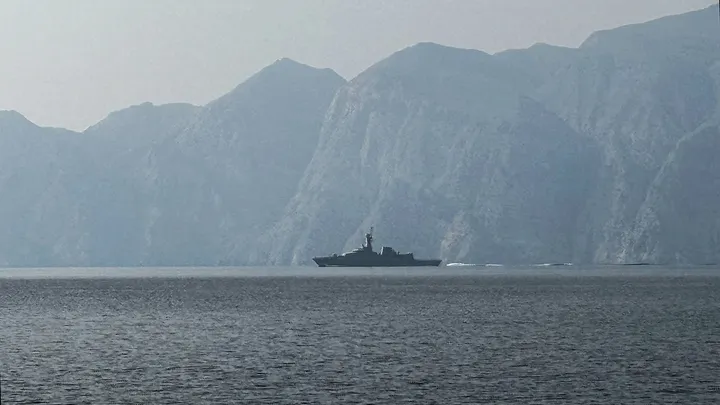
The Strait of Hormuz has become a central point of concern in the conflict because roughly one-fifth of the world’s oil shipments pass through the narrow waterway. Any disruption there would send shockwaves through global energy markets, which is exactly why U.S. military planners have studied the scenario for years.
Still, CNN reported Thursday that Trump’s national security team had “failed to fully account for the potential consequences” of what some officials described as a worst-case scenario. The report relied on unnamed sources “familiar with the matter”—which, as usual, means readers are expected to just take their word for it. Because nothing screams reliable journalism like mystery sources and dramatic headlines.
Republican lawmakers and administration officials quickly rallied to push back against the claims.
Tom Cotton, chairman of the Senate Intelligence Committee, dismissed the report outright and pointed the finger at whoever leaked the information. Writing on X, Cotton said whoever provided the claims “lied” and suggested CNN should spend a little more time fact-checking before running with such stories.
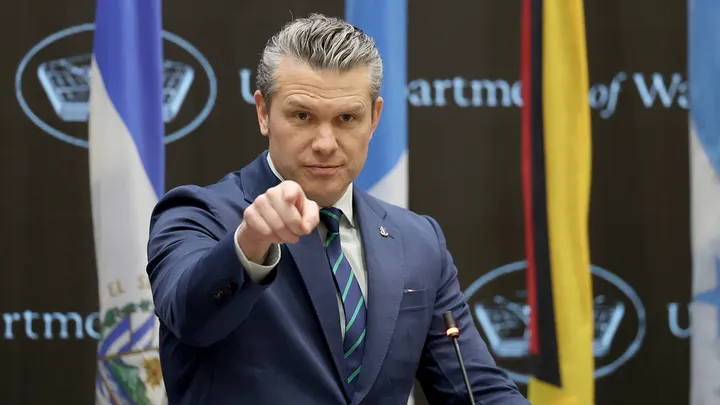
Meanwhile, Secretary of War Pete Hegseth echoed the criticism during remarks at the Pentagon on Friday, blasting the report as “more fake news from CNN” and calling the claims “patently ridiculous.”
In other words, while critics rush to spin anonymous rumors into headlines, the administration maintains that the strategy was deliberate, calculated, and designed to neutralize the Iranian regime’s ability to threaten global shipping routes in the first place.
And if there’s one thing the American people know by now, it’s that strong leadership and clear planning tend to work a lot better than anonymous leaks and media speculation.