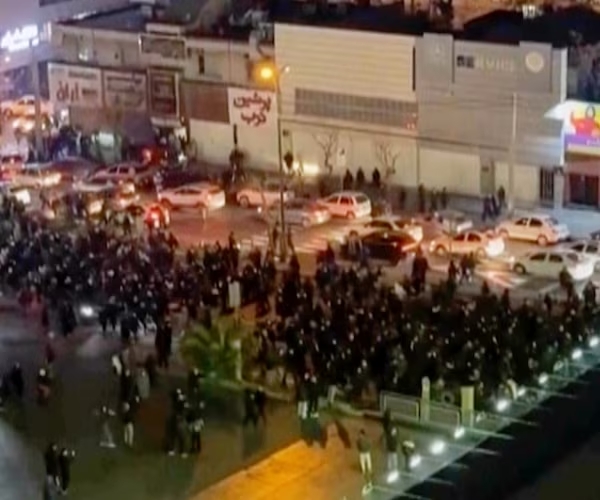
As anti-regime protests continue to spread across Iran and questions mount about the staying power of Supreme Leader Ali Khamenei, the obvious question keeps coming up: if the Islamic Republic collapses, who actually takes over? According to regional experts and Iranian opposition figures, anyone pretending there’s a neat, ready-made answer is selling false certainty.
The reality is far messier—and far more dependent on muscle than ideology. Analysts say the decisive factor won’t be slogans in the streets, but whether Iran’s security forces fracture or stay loyal. In plain terms: power flows from guns, not hashtags.
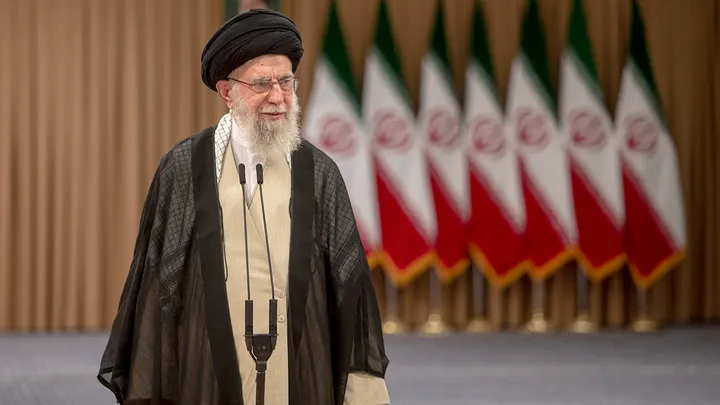
Ben Taleblu, speaking to Fox News Digital, questioned how much Khamenei is even governing day to day, especially given his limited public appearances. He warned Western governments against backing what amounts to a cosmetic transition—new faces, same enforcers. Think Maduro-style or Egypt-style “change,” where elites reshuffle and the people get nothing. Musical chairs at the top may satisfy diplomats, but it won’t deliver real freedom to Iranians.
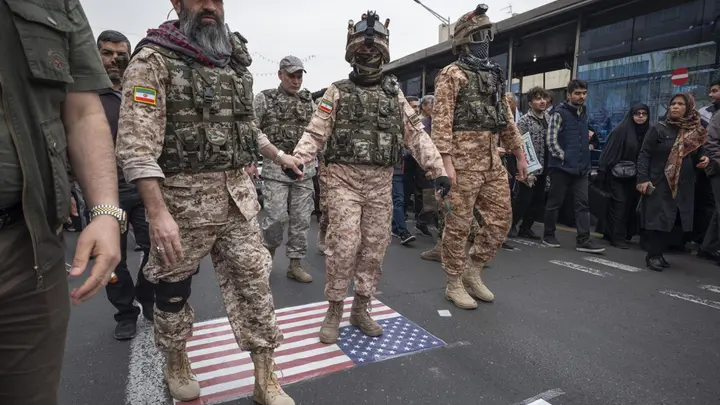
Taleblu argued the opposition’s biggest challenge isn’t ideology—it’s logistics. Sustained street protests must be translated into organized political power before the regime’s coercive apparatus reasserts control. That apparatus includes the Islamic Revolutionary Guard Corps, the Basij militia, and the regular military. If those forces hold together, analysts warn that clerics could disappear while real power simply migrates to armed institutions. Not exactly the revolution protesters are risking their lives for.
That’s why defections matter. Taleblu said a genuine transition would require prolonged protests, economic strikes, and visible cracks within security units. Without that, expect a bumpy road—and a public that won’t accept a rebranded dictatorship.
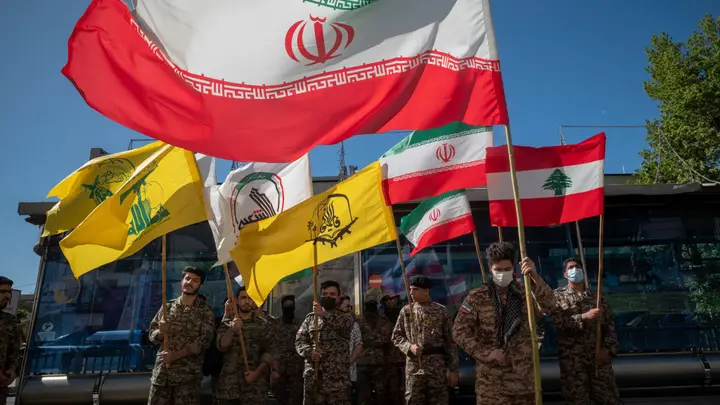
Some experts point to historical parallels like Egypt, where the military stepped in amid unrest. Benny Sabti of Israel’s Institute for National Security Studies said an IRGC-led coup can’t be ruled out, though Iran’s forces aren’t monolithic. He distinguished between the ideologically driven IRGC and the more professional, nationally oriented regular army. He cited former armed forces chief Habibollah Sayyari as a figure who has voiced limited criticism—but noted that criticism alone doesn’t make a leader. In Iran, charisma still counts.
Despite international focus on jailed activists, experts are skeptical that Iran’s next leadership will emerge from prison cells. Decades of repression have made cultivating political leadership inside Iran nearly impossible. As Taleblu bluntly put it, political leadership has to be built outside. Sabti agreed, saying freed prisoners may play roles in a new system, but won’t suddenly become dominant, charismatic leaders.
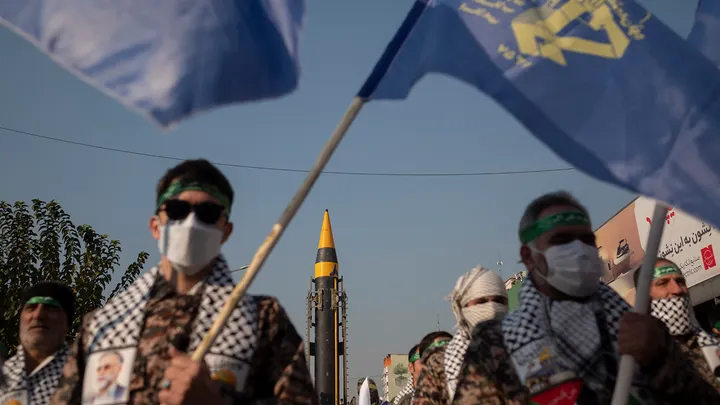
That reality has turned attention toward figures in exile—most notably Reza Pahlavi. Supporters argue he’s becoming a focal point for opposition mobilization. On January 8, Pahlavi called on Iranians to chant at 8 p.m., with reports of responses in multiple major cities. His allies describe him as advocating a secular, democratic Iran committed to human rights, while rejecting any push to restore the monarchy. Pahlavi himself has said the country’s future system—monarchy or republic—must be decided by the people through a free constitutional process.
Others aren’t convinced. Iranian-American journalist Banafsheh Zand told Fox News Digital that Pahlavi is the only viable unifying figure capable of guiding a transition, arguing that anyone prominent inside Iran would be swiftly eliminated. Critics in the diaspora dispute that claim, calling Pahlavi polarizing and warning about external influence. Even chants supporting him are difficult to independently verify amid internet shutdowns and censorship.
Another long-standing opposition movement, the Mujahedin-e Khalq led by Maryam Rajavi, also claims a central role. Rajavi insists change won’t come from foreign capitals, but from organized, nationwide resistance. She points to the group’s “Resistance Units” as key drivers of uprisings and proposes a six-month provisional period after the regime’s fall, followed by free elections and a new constitution for a democratic, secular republic. Critics counter that the group’s violent history and rigid ideology have alienated younger Iranians.