For years, Americans have been told a familiar story: the country is divided beyond repair, losing its identity, and viewed with suspicion by the rest of the world.
Then people actually showed up.
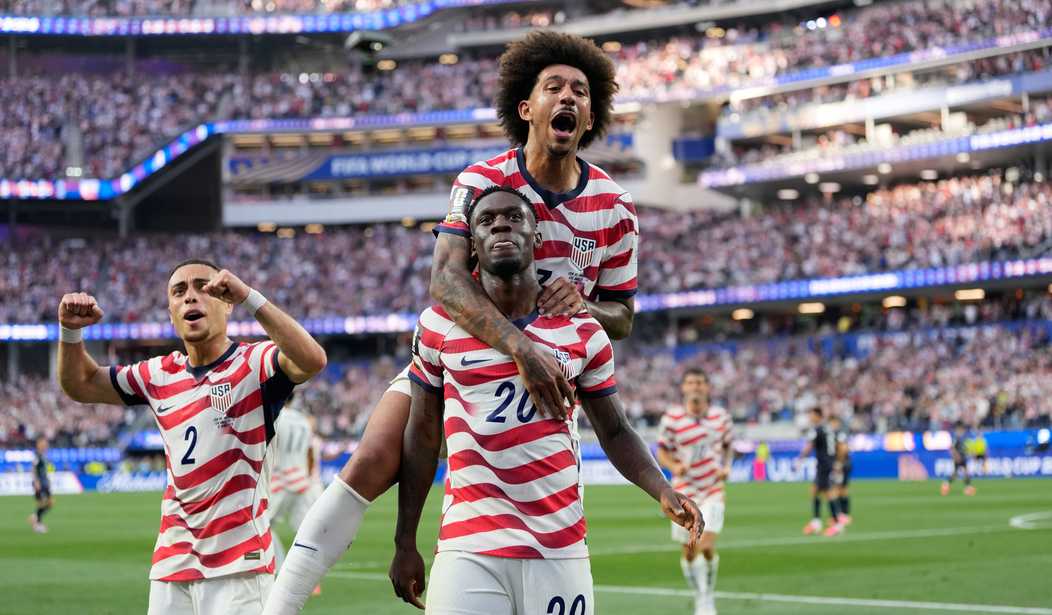
As the World Cup continues drawing fans from across the globe, something unexpected — at least for people who live inside media narratives — has been impossible to miss: visitors are enjoying themselves.
They’re celebrating. Exploring cities. Posting videos. Meeting locals. Experiencing American hospitality, energy, convenience, and scale in real time.
And apparently that has created some discomfort in places where the script was supposed to go differently.
Coverage surrounding reactions from Democrats and media circles has sparked criticism after observers pointed out what they see as an odd disconnect: while international fans appear energized and enthusiastic, parts of the political conversation seem determined to interpret the event through grievance, anxiety, or cultural pessimism.
The contrast stands out.
Fans came expecting one thing and found another.
They found packed crowds, welcoming communities, efficient event operations, and the uniquely American habit of turning major events into something larger than the event itself.
That does not mean everything is perfect. No host country gets through a global tournament without challenges.
But it does challenge a broader narrative that has become increasingly common in elite political and media spaces — the idea that America is somehow too fractured, too flawed, or too exhausted to inspire people anymore.
Funny how reality occasionally refuses to cooperate.
Sports have a strange way of cutting through ideology. People arrive with assumptions and leave with experiences.
The World Cup has always been bigger than soccer. It is one of the rare moments where millions of people encounter a country directly instead of through headlines, curated outrage, or political branding.
And what many visitors appear to be discovering is something Americans already know:
The country still works. The people are still generous. The scale is still impressive. The optimism is still there.
That part was never the problem.
The problem may have been who kept telling everyone otherwise.