More than 800 ships are now sitting idle near the Strait of Hormuz—one of the most critical النفط routes on the planet—because Iran has decided it might maybe let some of them pass. You know, depending on whether they’re “friendly.” Totally normal way to run global trade, right?
According to reports, Iran is signaling that “non-hostile” vessels could be allowed through—but only if they coordinate with Iranian authorities. Meanwhile, ships linked to the U.S., Israel, or their allies? Not so fast.
So now, instead of a functioning আন্তর্জাতিক shipping lane, we’ve got a geopolitical checkpoint where access depends less on navigation and more on who you’re aligned with.
Before this crisis, roughly 100 ships passed through the strait daily. Now? At times, traffic has dropped to almost zero. The result: a massive backlog of tankers just waiting and watching while the situation plays out.
This all stems from the broader conflict involving Iran, the United States, and Israel—where threats, attacks on commercial vessels, and warnings from Tehran have effectively frozen one of the world’s most important energy corridors.
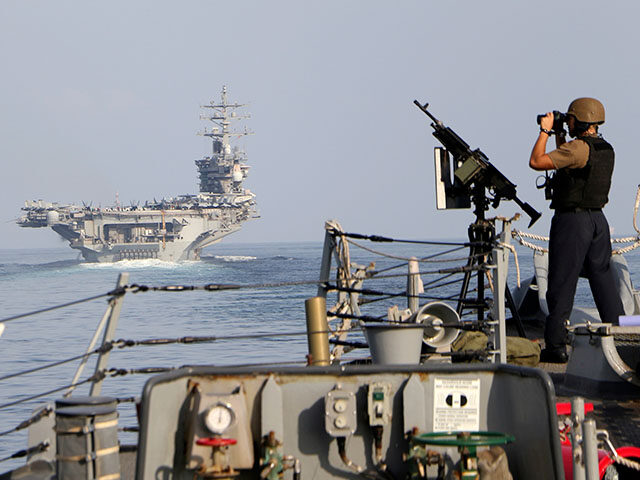
And it’s not just politics slowing things down. Shipping companies and insurers are understandably hesitant to send vessels into what has essentially become an active war zone. Between drone strikes, missile threats, and the possibility of naval mines, it’s less “trade route” and more “high-risk gamble.”
Even with Iran hinting at a partial reopening, nobody really knows how long it will take to clear 800 ships—or if companies are willing to take the risk at all. Because right now, getting through Hormuz isn’t just about steering a ship—it’s about navigating a minefield of uncertainty.
But here’s the bigger picture: when a single chokepoint like Hormuz gets disrupted, the entire world feels it. Energy markets tighten, prices react, and global stability takes a hit.
The good news? Pressure is building, and history shows that critical trade routes don’t stay blocked forever. One way or another, the flow will resume—and when it does, it’ll be a reminder that strength, stability, and clear leadership still matter on the world stage.