
Ukraine has unleashed one of its most widespread drone offensives against Russia’s maritime and energy networks this week, claiming strikes on 21 vessels over three days. These relentless attacks on major refineries deep inside Russia are significantly intensifying pressure on Moscow’s precarious fuel supplies.
This wave of precision strikes serves as a stark display of Ukraine’s rapidly advancing long-range capabilities, providing a powerful backdrop for a crucial diplomatic engagement between President Volodymyr Zelenskyy and President Donald Trump at the recent NATO summit in Ankara.
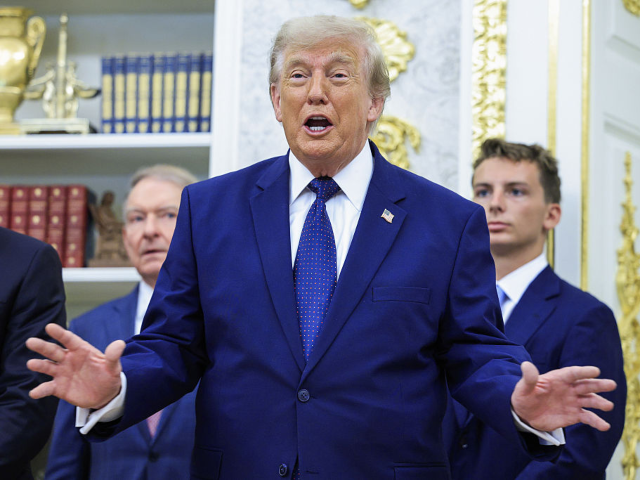
In a move that signals a profound shift in U.S. policy, President Trump announced that the United States would allow Ukraine to domestically manufacture Patriot air-defense interceptors. This strategic decision, a hallmark of America First principles, is set to bolster Ukraine’s self-reliance and fortify its defenses. The two leaders also engaged in discussions regarding a separate, potentially game-changing drone agreement.
President Zelenskyy underscored the urgency of the situation, stating unequivocally, "Air defense is the priority." He hailed the burgeoning drone deal as "a very good beginning," expressing optimism for further details with President Trump. This direct engagement highlights a pragmatic approach to empowering allies, distinct from previous, less decisive strategies.
The timing of these intensified Ukrainian strikes allowed President Zelenskyy to arrive at the summit with undeniable evidence of Ukraine’s growing domestic drone industry. This industry is now proving its capacity to threaten Russian assets far beyond the conventional battlefield, effectively transforming the dynamics of modern warfare.
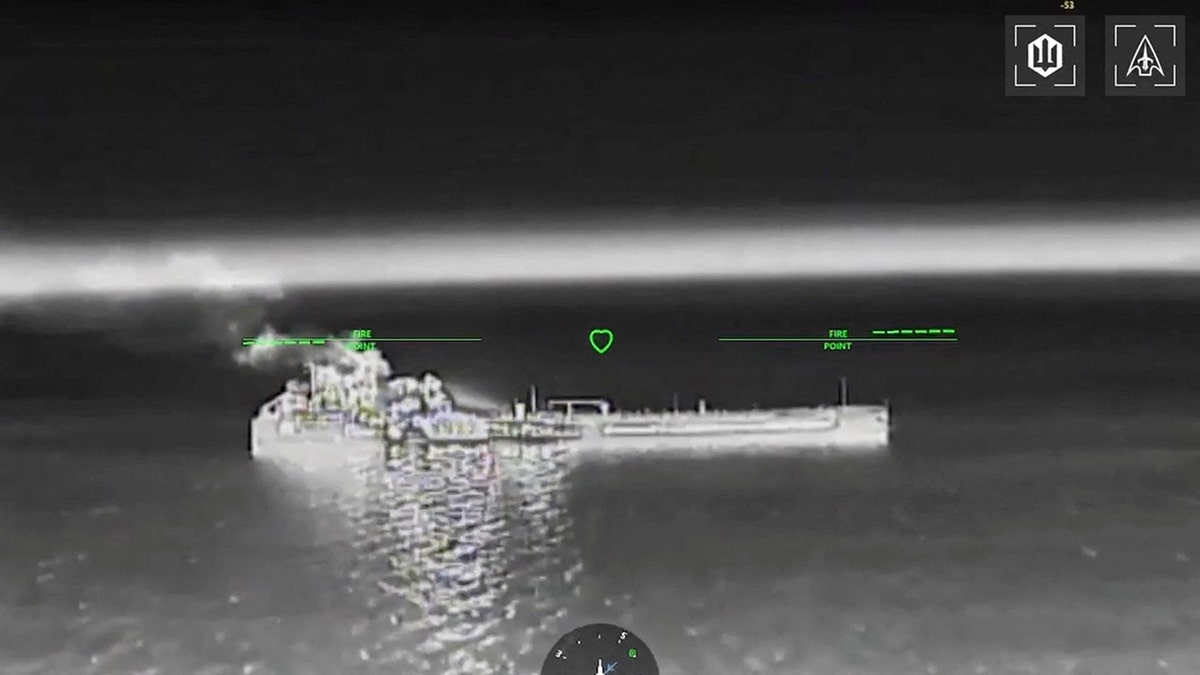
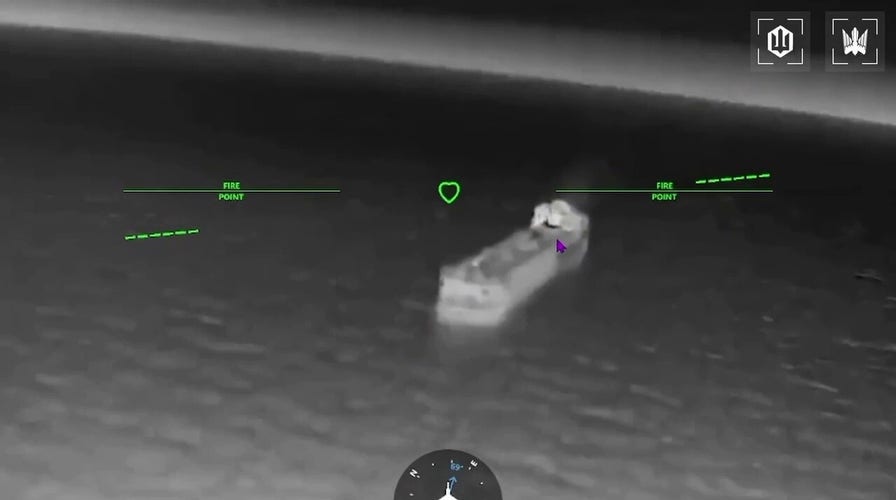
Drone footage shows fire and smoke rising from what the Rostov region governor described as an empty oil tanker, following Ukraine's overnight drone attacks on Russia, confirmed by the Ukrainian military, at a place given as the Sea of Azov, in this screengrab from a handout video released on July 8, 2026. (Commander of Unmanned Aerial Systems Force/Handout via REUTERS )
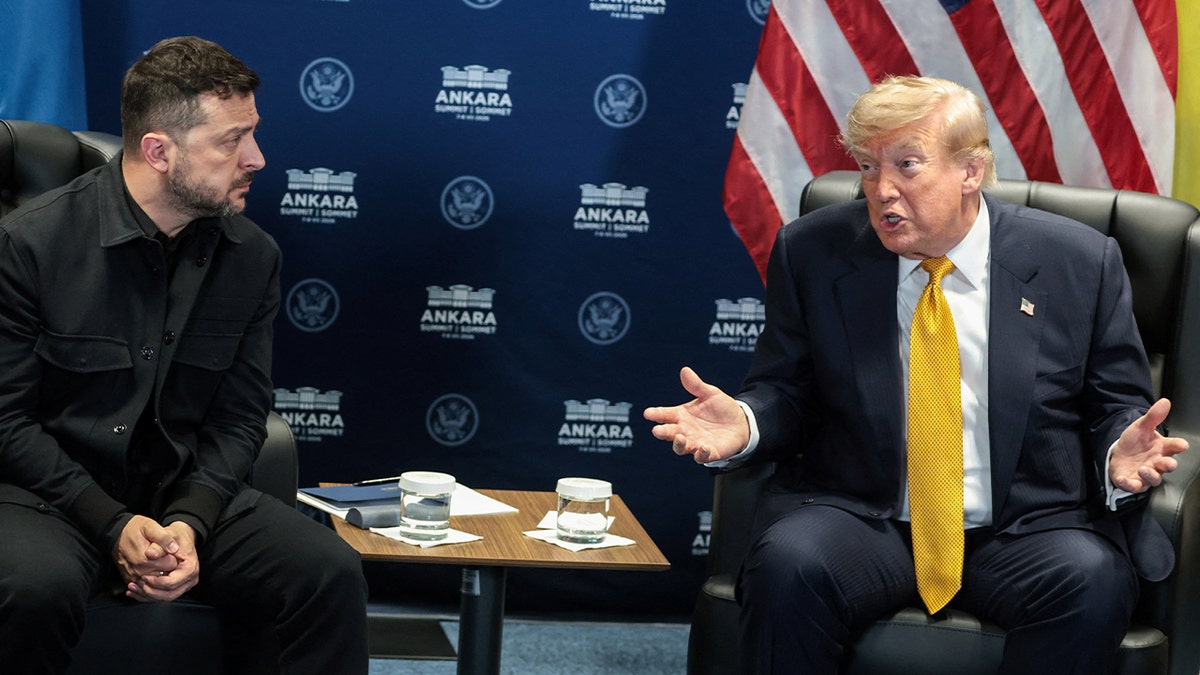
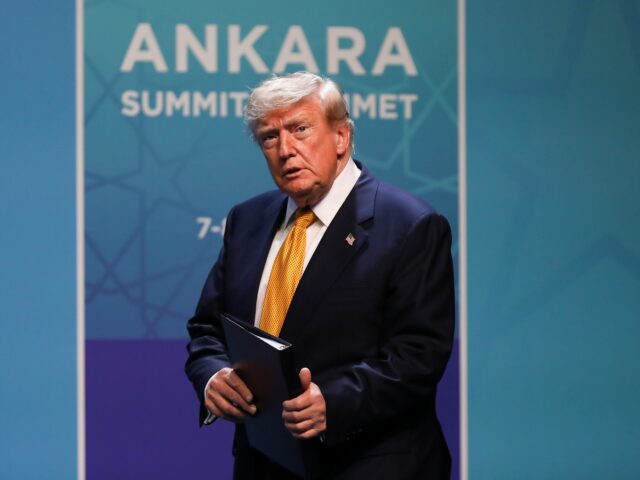
U.S. President Donald Trump holds a bilateral meeting with Ukrainian President Volodymyr Zelenskyy alongside the NATO leaders summit at the Bestepe Presidential Compound, in Ankara, Turkey, July 8, 2026. (Jonathan Ernst/Reuters)
President Trump, always quick to recognize effective action and leadership, praised Zelenskyy as "very effective." He credited Ukrainian forces with successfully operating American weapons against Russia’s considerably larger military, emphasizing, "He’s had the best equipment because he had our equipment. But somebody has to use that equipment. And you have a lot of brave people that are using that equipment."
Kyiv’s strategy is increasingly forcing Russia to commit resources to defend refineries, airfields, shipping routes, and other vital infrastructure deep within its own territory. While a decisive breakthrough in the grinding ground campaign remains elusive and Russia continues its bombardments of Ukrainian cities, these repeated long-range strikes are undeniably disrupting fuel production and maritime logistics. This strategy is imposing significant, tangible costs on parts of Russia that were once largely shielded from the conflict, exposing the vulnerabilities of Putin's regime.
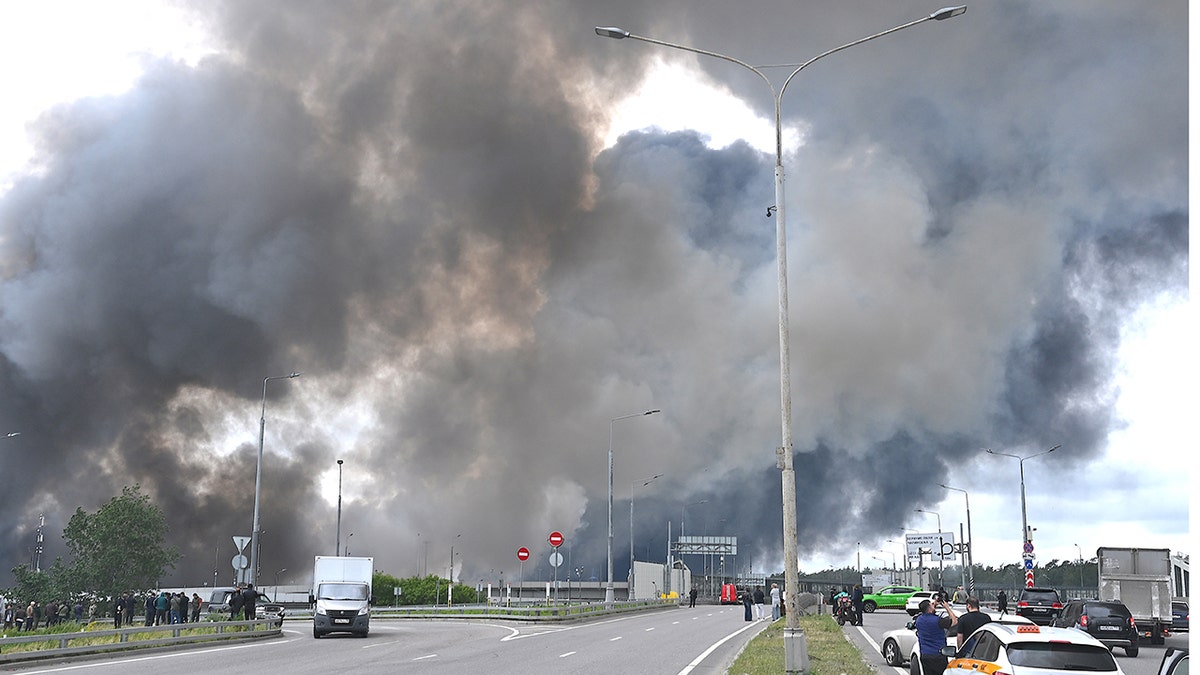
Black smoke billows from the area of Gazprom Neft’s Moscow oil refinery, located on the southeastern outskirts of Moscow, on June 18, 2026, following what the Russian capital's mayor described as a large-scale drone attack by Ukraine. (Sefa Karacan/Anadolu via Getty Images)
Earlier this week, Ukraine’s Unmanned Systems Forces reported that nine Russian-linked vessels were hit in the Sea of Azov, bringing the total number of targets over 72 hours to 21. Commander Robert "Magyar" Brovdi characterized this aggressive campaign against Russia’s fleet as having reached an "industrial scale." The targets included 19 oil tankers, a cargo ship, and a ferry operating near Russian-occupied Crimea.
Both Ukrainian and Russian officials have confirmed that this widespread offensive struck tankers, refineries, pipeline facilities, and a military airfield across several Russian regions. Ukraine maintains that many of the targeted vessels were part of Russia’s shadowy fleet, essential for transporting fuel to Crimea, the Black Sea peninsula illegally annexed by Moscow in 2014.
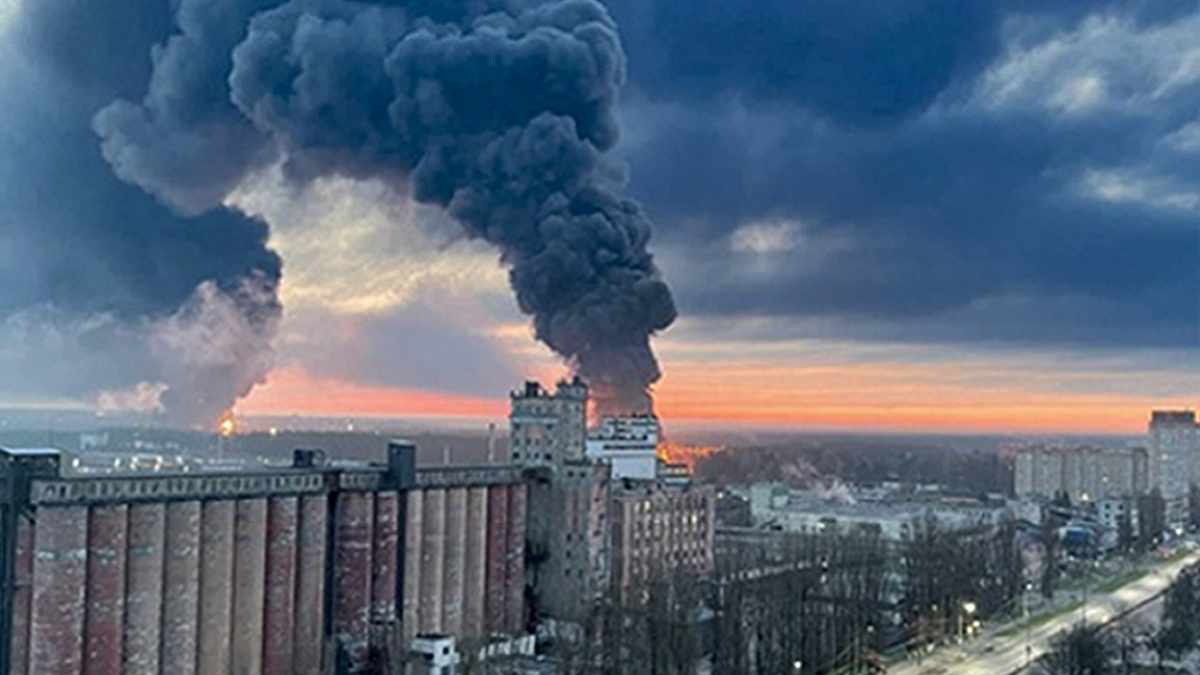
In this photo taken by an anonymous source, smoke rises from oil storage facilities hit by fire in Bryansk, Russia, on April 25.
These maritime strikes were strategically complemented by devastating attacks on the Saratov refinery and energy facilities in the Russian regions of Tatarstan and Bashkortostan, resulting in at least one reported fatality in Saratov. Ukraine also claimed responsibility for hitting the Borisoglebsk military airfield in Russia’s Voronezh region, a base frequently utilized by Russian combat aircraft involved in attacks against Ukraine.
This latest surge of attacks followed a significant Ukrainian strike on Monday against the Omsk refinery in Siberia, a staggering 1,700 miles from Ukrainian-controlled territory. As Russia’s largest oil refinery, processing approximately 460,000 barrels of crude per day last year, its disruption sends a clear message. Industry sources subsequently confirmed that the Omsk facility had indeed halted oil processing after the attack.
The widespread disruption comes at a critical juncture, as various regions within Russia are already grappling with severe gasoline and diesel shortages. These shortages are directly attributable, in part, to Ukraine’s persistent attacks on refineries and fuel depots, highlighting the direct economic consequences of the conflict for ordinary Russians. Long queues at filling stations have become a common and frustrating sight, prompting some regions to introduce purchasing restrictions. In a desperate attempt to shore up domestic supplies, Moscow announced a temporary ban on diesel exports through July 31.
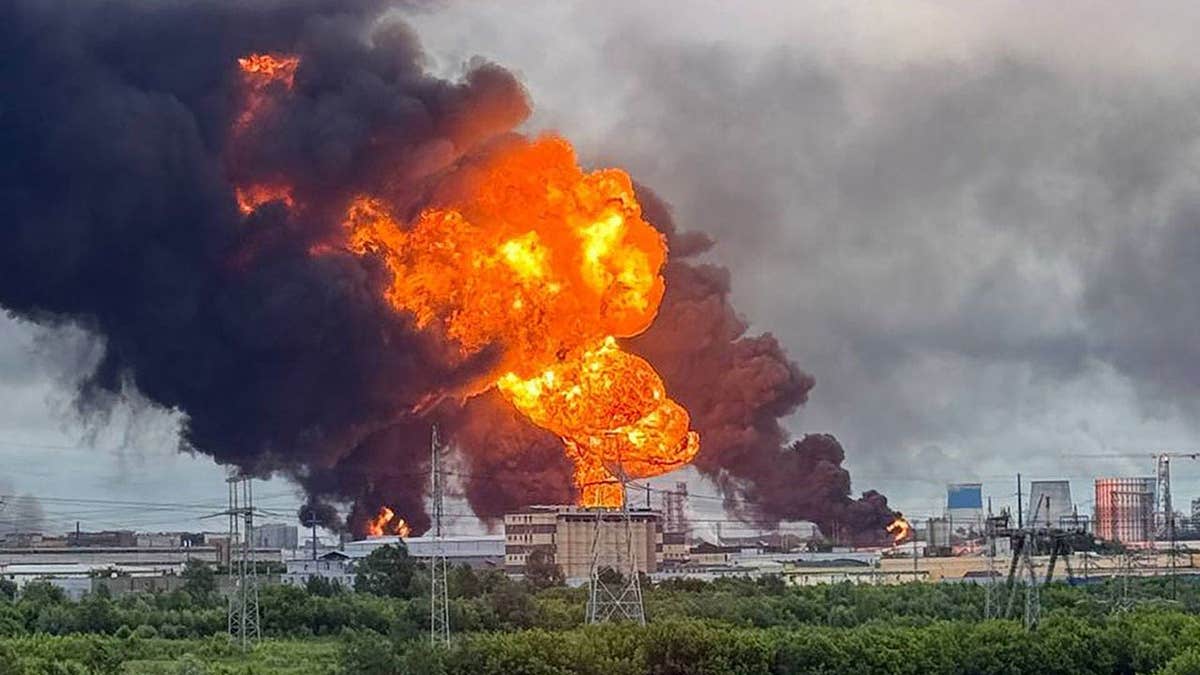
Smoke and flames rise over Moscow on June 18, 2026, following a Ukrainian drone attack that hit the Kapotnya oil refinery and other targets in the Russian capital. (East2West)
These escalating shortages represent one of the most undeniable and unsettling ways the war is directly impacting the daily lives of ordinary Russians. Margarita Simonyan, the outspoken editor-in-chief of the Kremlin-funded RT network, openly acknowledged these hardships during an appearance on Russian state television. However, she quickly pivoted, urging citizens not to challenge the country’s leadership despite the growing difficulties.
"There is no petrol," Simonyan frankly admitted in a translated clip, echoing a sentiment of deprivation not seen in decades. Drawing a parallel to the severe food rationing endured after the collapse of the Soviet Union, she defiantly declared, "We endured it. And we will endure it now." Simonyan then veered into a politically charged warning, asserting that Russia’s enemies actively desire the population to react as it did during the 1917 revolution and "run off to overthrow" the czar. "Yes, it is hard, yes, very hard," she conceded, pleading with Russians to remain calm amidst the mounting pressure.
The tangible pressure on Russia’s energy infrastructure, a direct result of Ukraine’s aggressive drone campaign, formed the compelling backdrop to President Zelenskyy’s crucial Wednesday meeting with President Trump. Even as the summit unfolded, Russia continued its indiscriminate bombardment of Ukrainian cities, striking Kyiv and other urban centers with missiles and drones. Kyiv Mayor Vitali Klitschko reported storage facilities ablaze in the capital’s Desnyanskyi district and another significant fire in the Sviatoshynskyi district, serving as a stark reminder of the brutal realities of the ongoing conflict.
President Trump's decisive action to empower Ukraine's defense capabilities, by enabling domestic Patriot missile and drone production, showcases a pragmatic America First approach to confronting global challenges. This strategy not only strengthens our allies but also delivers tangible consequences to those who threaten peace and stability, proving that strong, decisive leadership and common-sense solutions are the true path to national security and a more stable global order, rather than endless foreign entanglements.