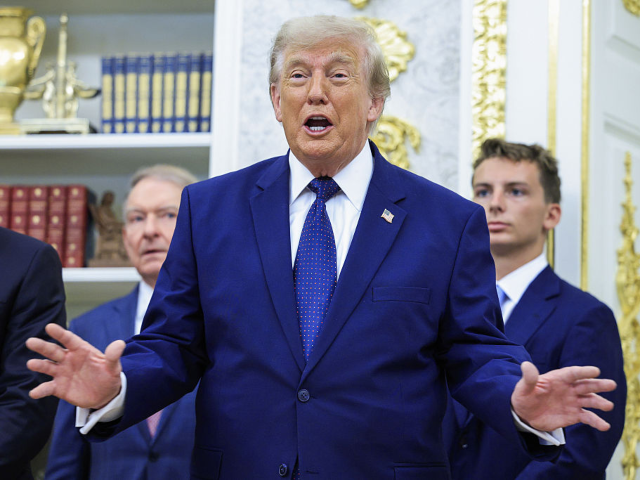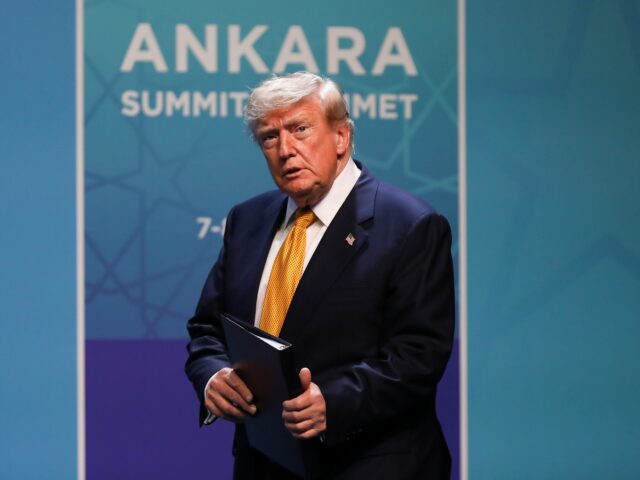
President Donald Trump says Spain backed down after facing the prospect of serious economic consequences, agreeing to increase its NATO contributions following his decision to order a U.S. trade embargo against the European ally over its defense spending.
Speaking with reporters aboard Air Force One, Trump described the turnaround in unmistakable terms.
“Spain came back all the way,” the president said, signaling what he portrayed as another victory for his long-standing strategy of using America's economic leverage to push allies into carrying a fairer share of the burden for their own defense.
The dispute centered on Spain's reluctance to contribute more to NATO, an issue Trump has raised for years. Since his first term, he has argued that too many allied nations have relied on American taxpayers to shoulder the alliance's security costs while failing to meet their own commitments.
Rather than accepting the status quo, Trump opted for direct pressure. According to the president, the trade embargo order quickly changed the conversation, leading Spain to agree to boost its payments to the alliance.
For Trump supporters, the episode reinforces a familiar pattern. While critics have often questioned his hardball negotiating style, the president has consistently argued that America's strongest bargaining chip is its economic power—and that allies respond when Washington makes clear that free-riding comes with consequences.
The broader message extends well beyond Spain. Trump's America First approach has repeatedly challenged the assumption that the United States should continue financing global security arrangements without meaningful contributions from its partners. His position has remained consistent: alliances work best when every member pays its fair share.
If Spain's reported reversal holds, it will stand as another example of Trump's belief that firm leadership and economic leverage can produce results where years of diplomatic appeals have fallen short. For millions of Americans who have long questioned why the United States should bear a disproportionate share of NATO's costs, that principle is simple: strong alliances require shared responsibility, not one-sided commitments funded by the American taxpayer.