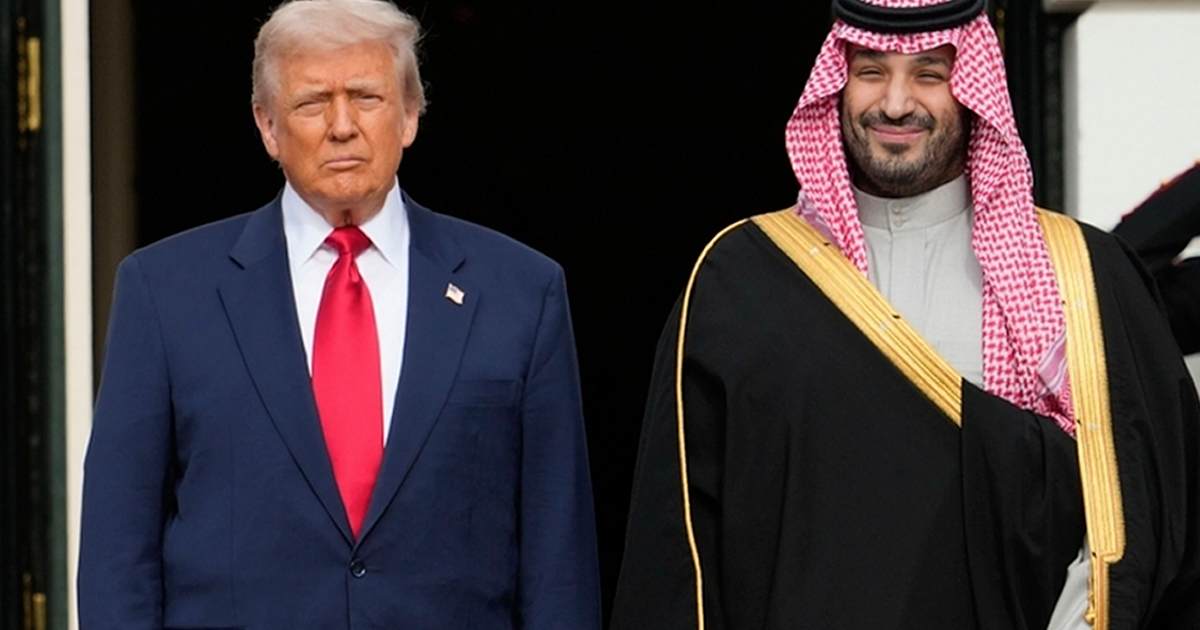
The volatile Middle East remains a crucible of escalating tensions, a stark reminder that America's vigilance is paramount. In Jeddah this week, Saudi Arabia's Crown Prince Mohammed bin Salman (MBS) met with the American head of Central Command (CENTCOM), Admiral Brad Cooper, to address the mounting threat posed by Iran-backed Houthi rebels.
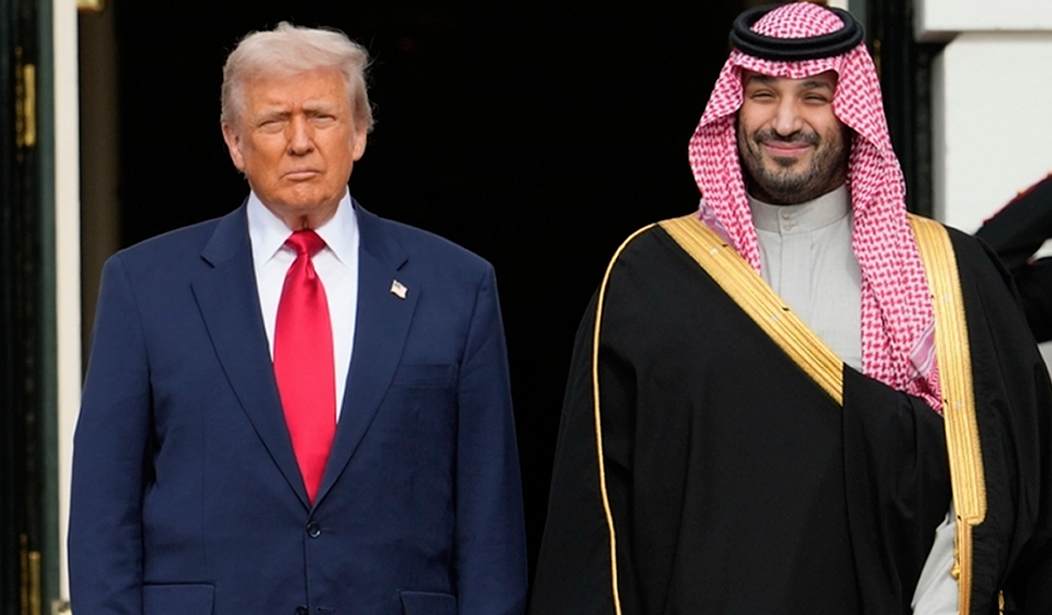
This critical meeting follows reports that the Crown Prince sought robust military assistance from the Trump administration to confront the Houthis, who are not only challenging the Saudi-backed Yemeni government but also launching direct attacks on Saudi installations. It's a clear signal that even in complex regional conflicts, nations look to American leadership for strength and stability.
The Trump administration, ever mindful of American interests and the need for allies to carry their weight, responded with strategic precision. As Saudi state media reported:
"Saudi Crown Prince Mohammed bin Salman discussed regional developments with U.S. Central Command chief Admiral Brad Cooper in Jeddah on Monday, Saudi state media said, amid escalating hostilities with Yemen's Iran-aligned Houthis. The meeting comes days after three sources familiar with the matter told Reuters the crown prince had sought military assistance from President Donald Trump to help fight the Houthis. Trump did not agree to U.S. strikes on the group, but Washington told Riyadh it would provide intelligence-sharing and targeting assistance, the sources added."
This approach — intelligence-sharing and targeting assistance rather than direct U.S. strikes — embodies the America First principle: supporting allies with vital resources while encouraging them to defend their own sovereignty. This stands in stark contrast to alarming reports that China is allegedly providing similar satellite intelligence and targeting assistance directly to Iran, fueling the very adversaries threatening regional peace.
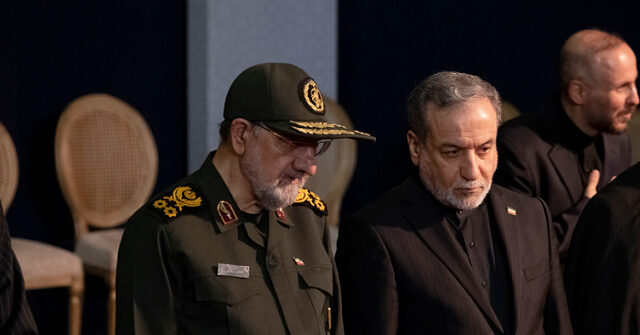
The Houthis, who control significant parts of Yemen, have intensified their aggression, implementing a naval blockade against Riyadh and targeting Saudi vessels in the crucial Red Sea. This destabilizing campaign, almost certainly orchestrated and supplied by Tehran, saw a key Saudi oil pipeline suffer serious damage from a drone attack launched from Iraq, a territory where Iranian-backed militia groups operate with impunity. It’s a pattern of proxy warfare designed to project Iranian power and undermine stability.
With a formidable military force — including 225,000 active-duty troops, 1,500 American-made tanks, over 7,000 armored vehicles, and an air force equipped with F-15 and F-35A fighters — Saudi Arabia possesses substantial capabilities. One might wonder, with America’s top-tier reconnaissance and targeting assistance, why they couldn't decisively push back against the Houthi menace. Common sense suggests taking a major Iranian proxy off the board would significantly alleviate pressure on the region and the legitimate Yemeni government.
As these dangerous dynamics unfold, the Iranians are undeniably playing a waiting game, hoping for a change in American leadership after the November elections that might soften U.S. policy. This cynical calculation underscores the immense stakes for every American voter. A strong, decisive America First foreign policy, rooted in peace through strength, is the only deterrent against such aggression. Retreating from that posture would only invite further chaos and empower America's enemies.