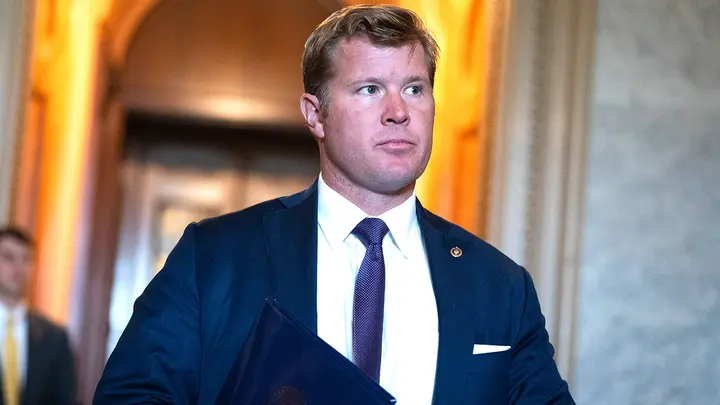
A growing imbalance in global naval power is putting the United States at a strategic disadvantage against China, according to Sen. Tim Sheehy, who is sounding the alarm over what he describes as a rapid collapse in America’s shipbuilding capacity.
Speaking on Fox News Rundown, the former Navy SEAL turned senator delivered a blunt assessment of where the U.S. stands — and where it is falling behind.
“Our Navy right now is not where it needs to be,” Sheehy said. “Right now, our fleet, when you compare us to China, they build ships 230 times faster than we do. Their shipyards can turn around repairs 90% faster than we can.”
The warning is not just about statistics. It’s about time — and deterrence.
China’s accelerating naval production has become a growing concern inside defense circles, as Beijing continues to expand its fleet at a pace the United States has struggled to match. For Sheehy, the issue is no longer theoretical. It is structural.
He pointed to decades of industrial slowdown and shifting national priorities that, in his view, left America unprepared for a renewed era of great-power competition.
“We’ve allowed our shipbuilding industry to atrophy over the past 30 years to a point that’s really quite scary because we felt the peace dividend was permanent,” he said. “Pax Americana was here to stay.”
That assumption, he suggested, is now colliding with reality.
The senator argued that while other military branches can be rebuilt relatively quickly in a crisis, naval capacity is different — requiring deep industrial expertise, infrastructure, and a workforce that cannot be recreated overnight.
“We felt we don’t need these big expensive ships anymore,” Sheehy said, warning that rebuilding ground forces could take years, but restoring the Navy’s industrial backbone would be far more complex and time-consuming.
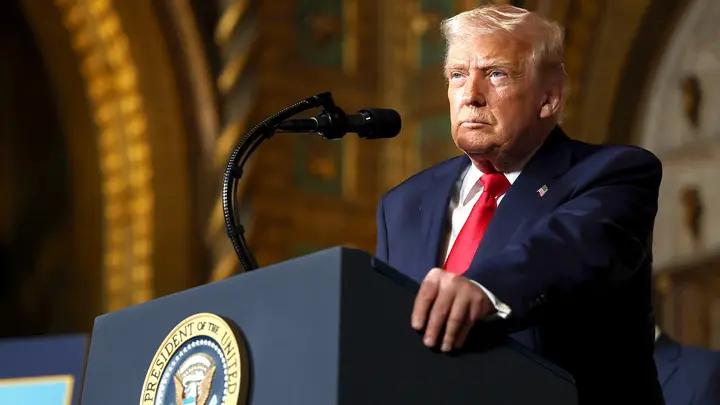
The concern has also drawn attention from the Trump administration, which has been increasingly vocal about rebuilding American maritime strength. In 2025, the White House launched a Maritime Action Plan aimed at reviving domestic shipbuilding, easing restrictions on production, and coordinating federal support to expand output across the industry.
The goal, officials say, is to reverse decades of decline and restore America’s ability to project naval power at scale — especially as China continues to expand its presence in the Indo-Pacific and beyond.
For critics like Sheehy, the stakes go beyond economics or industrial policy. They go directly to national security.
And in an era where naval dominance often defines global influence, the question is no longer whether the gap exists — but how long the United States can afford to let it grow.