Veteran political strategist Dick Morris believes one economic signal still matters more than almost everything else in American politics: the price drivers see every time they pull into a gas station.
Appearing on Newsmax TV’s Saturday Report, Morris argued that the recent decline in gasoline prices following the U.S.-Iran memorandum of understanding could become a major political advantage for Republicans heading into the 2026 midterm elections.
Morris, a longtime political analyst and former adviser to President Bill Clinton, suggested that voters often judge economic conditions less through government reports and more through everyday costs they immediately notice — and few costs are more visible than fuel.
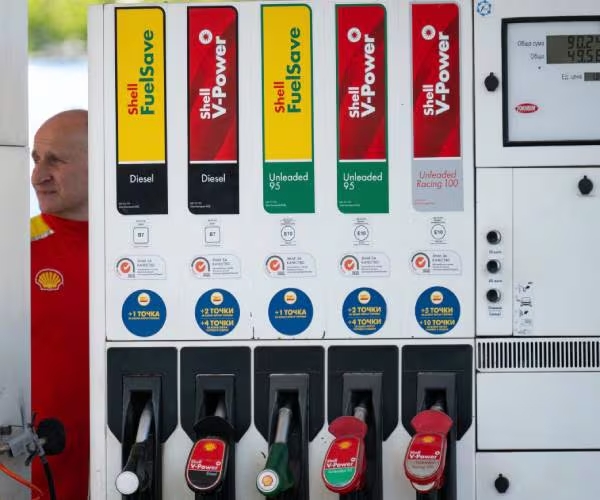
According to the figures discussed during the interview, the national average price for regular gasoline fell to $3.99 per gallon on Thursday, down from $4.51 a month earlier after the agreement between the United States and Iran included reopening the Strait of Hormuz.
For Morris, that shift is not just an energy story — it is a political one.
His argument is rooted in a familiar theory of voter behavior: when costs tied to daily life begin falling, public frustration eases and incumbents or aligned political coalitions often benefit. In this case, he contends Republicans could gain if voters associate lower energy costs with broader economic stabilization and stronger policy outcomes.
Morris’ comments reflect a broader reality in American politics: economic narratives are often built around what people feel more than what spreadsheets show.
And while campaign consultants can debate messaging strategies and polling models for hours, voters tend to notice one thing immediately — whether filling the tank feels easier than it did a month ago.
If that trend continues, the political conversation heading into 2026 may become less about ideology and more about affordability. In elections, economic theories matter. But the receipt in someone’s hand often matters more.