A leading candidate to become the next Secretary-General of the United Nations is openly aligning himself with a message more commonly associated with Washington than global diplomacy: reform the institution, cut inefficiency, and restore public confidence.
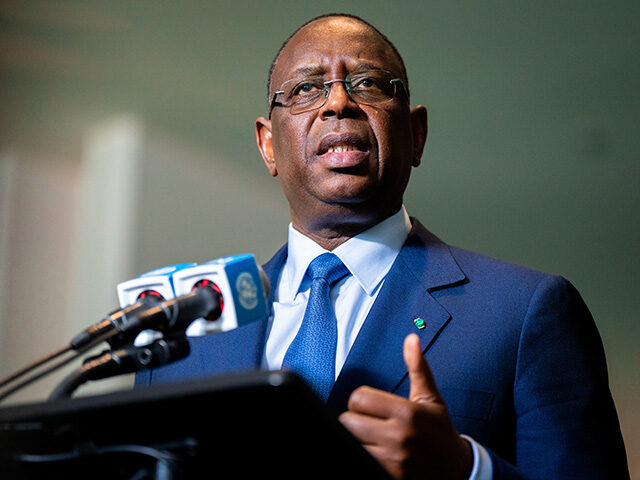
Macky Sall, the former president of Senegal and one of the figures seeking to succeed António Guterres at the United Nations, expressed support for President Donald Trump’s calls to reshape the organization and even adopted a slogan modeled after Trump’s political branding — “Make the UN Great Again,” or “MUNGA.”
In comments made ahead of a visit to Washington, Sall praised Trump’s international approach and described him as a “peace builder,” while acknowledging ongoing tensions involving Iran.
“My first message to President Trump is first to congratulate him for his action on peace,” Sall said, arguing that Trump should continue efforts aimed at maintaining stability and diplomatic outcomes. Sall also emphasized that while the United States remains the world’s leading power and a central pillar of the UN system, the institution itself must become more efficient and more responsive to member states.
His remarks stand out because public alignment with Trump’s reform agenda has historically been uncommon among high-level international figures seeking leadership roles inside multilateral institutions.
Sall’s message appears designed to signal something broader: reform does not necessarily mean rejection. That, and he really wants the U.S. support to his candidacy.
As the race to replace Guterres develops, candidates will need to navigate one of the most complex selection processes in international politics — surviv.ing possible vetoes from permanent Security Council members while building wider support across the UN General Assembly.
Sall’s international relationships may become an important factor. As former leader of Senegal, he enters the process with diplomatic ties across major global powers and longstanding engagement with key international actors.
But what may attract the most attention is not his résumé — it is his willingness to publicly echo a reform message associated with Trump’s political movement.
For years, critics have argued that international institutions ask nations for trust while resisting change themselves. Supporters of reform believe accountability and effectiveness are not anti-global values — they are what make institutions worth preserving in the first place.
Whether “Make the UN Great Again” becomes a campaign slogan or just a headline moment remains to be seen. But the fact that it is being said at all suggests the conversation around global institutions may be changing.