For nearly four years, one of the men accused of helping orchestrate what prosecutors describe as the largest COVID-era fraud scheme in American history stayed out of reach.
This week, that ended.
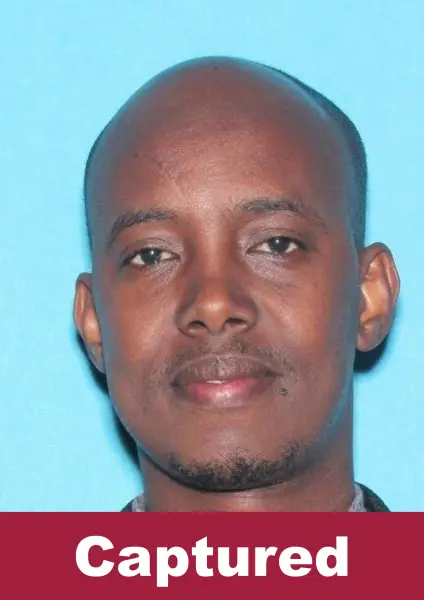
Federal officials announced Friday that Abdikerm Eidleh, 42 — identified by prosecutors as a central figure in Minnesota’s massive Feeding Our Future scandal — was arrested in Mogadishu, Somalia, after allegedly fleeing the United States while under investigation.
According to the Department of Justice, Eidleh was taken into custody Thursday and now faces extradition proceedings tied to a sprawling case involving hundreds of millions of taxpayer dollars intended to feed children during the pandemic.
The allegations are staggering.
Federal prosecutors charged Eidleh in September 2022 with 31 counts including conspiracy to commit wire fraud, wire fraud, conspiracy to commit federal programs bribery, federal programs bribery, conspiracy to commit money laundering, and money laundering.
Authorities say the scheme targeted emergency pandemic relief funds that were supposed to provide meals for children in need during one of the most difficult periods in recent American history.
Instead, prosecutors describe a system transformed into a cash pipeline.
According to the indictment, Eidleh allegedly recruited participants to establish sham meal sites and fake vendor networks that billed the federal government for millions of meals investigators say were never served.
The charging documents further allege that participants obtained approvals through bribery and kickbacks and created paper trails designed to make nonexistent food operations appear legitimate.
Prosecutors say Eidleh was not merely connected to the operation but actively built parts of it.
The indictment alleges he created fraudulent meal distribution locations, falsely claimed they served thousands of children per day, and established shell companies presented as food vendors supporting those sites.
According to the Justice Department, more than $5 million in proceeds tied to kickbacks, bribes, and alleged fraud flowed through accounts connected to those shell entities.
Federal officials did not hold back in describing the significance of the arrest.
Rather than face the charges in the United States, a DOJ official said Eidleh fled to Somalia in an effort to avoid prosecution.
“That attempt ended thanks to the exceptional work of our FBI partners,” the official said.
“The Department of Justice will continue to track down and prosecute fraudsters wherever they run and wherever they hide.”
Minnesota U.S. Attorney Daniel Rosen delivered a similar message.
“If you commit fraud against the American taxpayer, and try hiding across the globe, the long arm of justice will find you,” Rosen said.
As with all criminal cases, the allegations against Eidleh remain accusations unless proven in court.
But the broader scandal has already become a symbol of a question many Americans continue asking years after the pandemic: how did emergency programs move so much money so fast with so little oversight?
Programs created to feed hungry children became, according to prosecutors, opportunities for organized fraud on a massive scale.
And for taxpayers who paid the bill, that question still has not gone away.