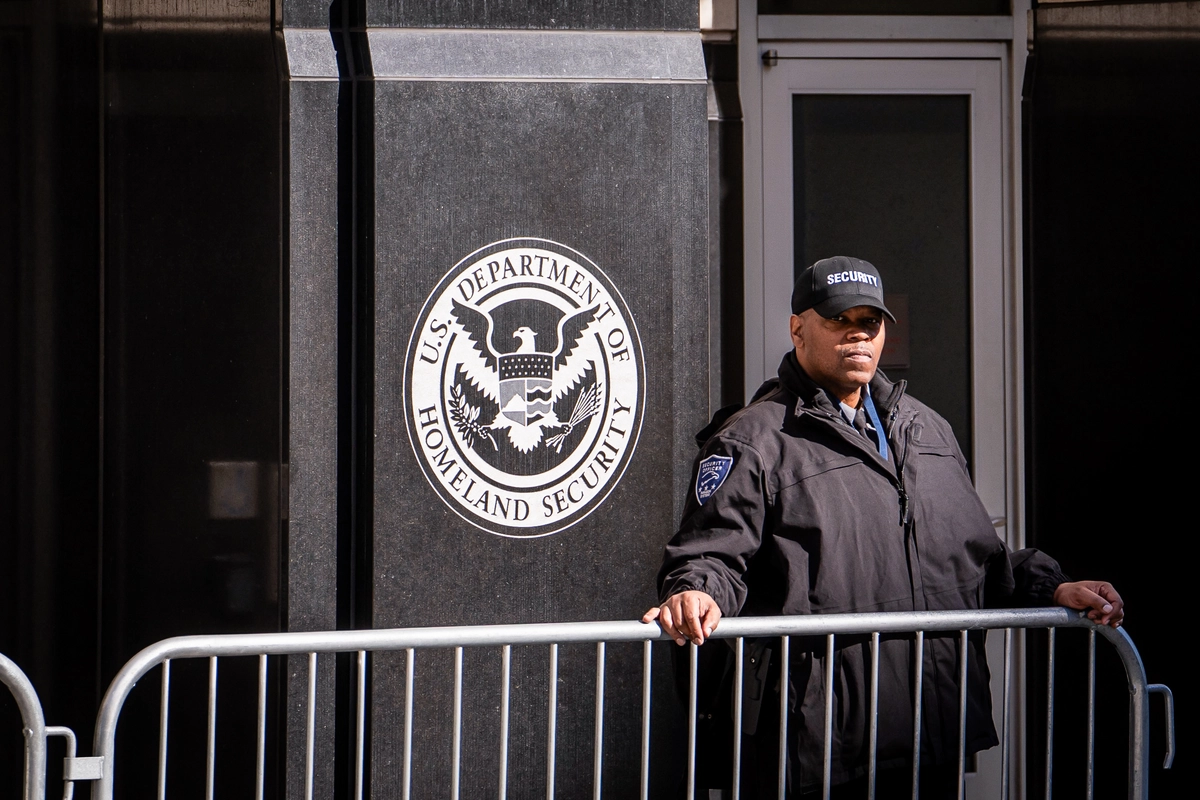
A remarkable legal clash is unfolding inside the federal judiciary, with one judge now directing the Department of Homeland Security not to comply with an order issued by another federal judge. The dispute centers on the federal government's immigration verification system and raises fresh questions about judicial authority, executive operations, and the handling of Americans' sensitive personal information.
On July 8, U.S. District Judge Sparkle Sooknanan of the District of Columbia ruled that the Trump administration must continue keeping key functions of the Systematic Alien Verification for Entitlements (SAVE) database disabled. Her order specifically instructs officials at the Department of Homeland Security and other agencies not to restore the system's ability to perform Social Security number lookups or conduct mass data uploads.
The directive comes despite another federal judge issuing an order that pointed in a different direction, creating an unusual and highly visible conflict between federal courts over how the immigration verification system should operate.
Sooknanan's decision builds on a June ruling in which she concluded that recent changes to the SAVE system violated federal privacy laws. According to her findings, the updates exposed Americans' Social Security numbers and other sensitive personal information through expanded database functions that should not have been made available.
At the heart of the dispute is a difficult balancing act that has become increasingly familiar in Washington: protecting Americans' private information while ensuring the federal government has effective tools to verify immigration status and administer public programs. When federal judges issue competing directives, executive agencies can find themselves caught between conflicting legal obligations.
The case also illustrates how major immigration policies continue to face intense courtroom scrutiny, with federal judges playing an outsized role in determining how key government systems are managed. That ongoing judicial tug-of-war has become a defining feature of modern immigration battles, often leaving agencies navigating competing rulings instead of clear, consistent legal guidance.
As the litigation continues, the broader questions extend well beyond a single database. The outcome could influence how immigration verification systems operate, how Americans' personal information is protected, and how conflicts between federal courts are ultimately resolved. For many Americans, accountability, respect for the rule of law, and confidence that government will safeguard both national security and personal privacy remain expectations—not optional goals.