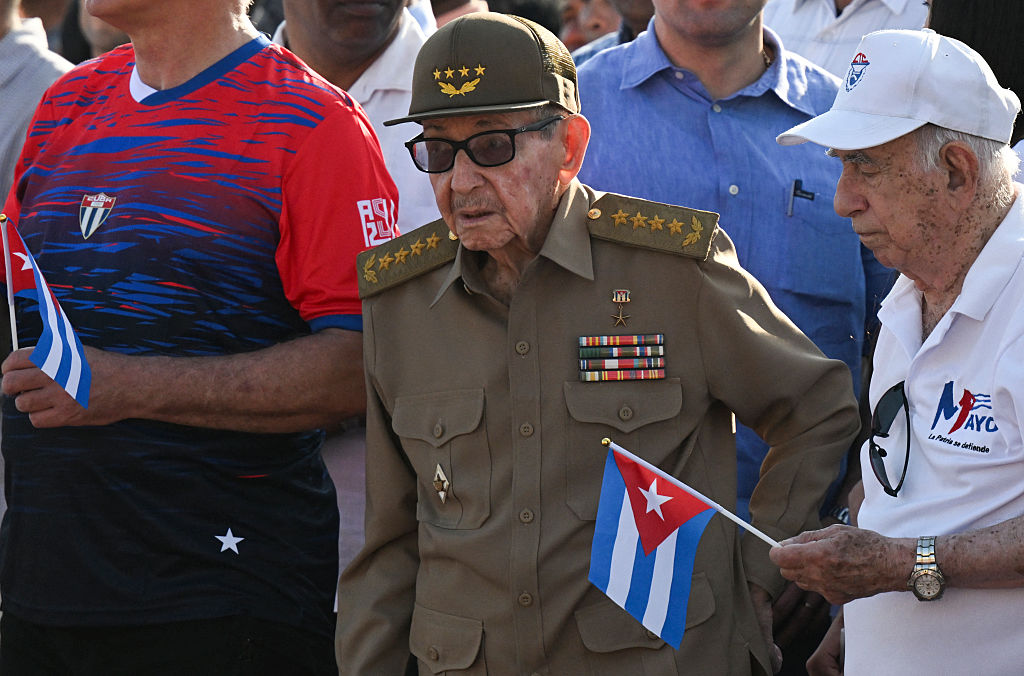
Florida is taking a decisive stand for justice, issuing an arrest warrant for former Cuban dictator Raúl Castro. The move seeks accountability for his alleged orchestrations in the cold-blooded murder of three U.S. citizens and one lawful resident aboard two civilian aircraft more than three decades ago.
The state arrest warrant was dramatically announced on Monday by Florida Attorney General James Uthmeier, who didn't mince words, directly accusing Castro of deploying spies within America to facilitate the attack. The targets: two unarmed planes operated by Brothers to the Rescue, a humanitarian organization dedicated to supporting Cubans against the island nation’s oppressive communist regime.
The now-octogenarian former Cuban leader faces a charge of conspiracy to commit first-degree murder. This state action runs parallel to a federal indictment announced by the Department of Justice back on May 20, further tightening the legal net around the long-untouchable communist architect.
"Raúl Castro ordered the murder of four Floridians in cold blood, and Florida will never stop pursuing accountability for that communist conspiracy," Attorney General Uthmeier declared in a powerful news release. He continued, outlining the sinister methods: "The Castro regime’s spies operated in our communities, fed intelligence to Havana, and helped put civilian pilots in the crosshairs of Cuban MiGs."
The victims of the heinous February 24, 1996 attack were identified as Carlos Costa, Pablo Morales, Mario de la Peña, and Armando Alejandre Jr.—four lives brutally cut short by a tyrannical order.
According to the official affidavit, Castro, then serving as the minister of Cuba’s Revolutionary Armed Forces and first vice president, was the ultimate decision-maker. He allegedly issued a chilling directive to senior military officials: "shoot them down at sea when they show up, and those who have the authority are not to consult anyone." This was a clear order for murder, without warning or mercy.
The communist regime’s nefarious intelligence gathering extended deep into South Florida. Cuban spies infiltrated the Brothers to the Rescue organization in Miami-Dade and Monroe Counties, meticulously relaying flight plans directly back to Havana.
On the tragic day of the attack, three unarmed Brothers to the Rescue aircraft departed Opa-Locka Airport in Miami-Dade County. While still outside Cuban territory, having merely crossed the 24th latitude line, two of the civilian Cessnas were obliterated by missiles fired from Cuban MiGs. All four individuals onboard perished.
"For thirty years, their families and our Cuban American community have carried this profound loss and refused to let the pursuit of justice fade," Miami-Dade Sheriff Rosie Cordero-Stutz affirmed in the news release. "Today’s action sends a clear message: the passage of time does not diminish the value of these lives or our responsibility to pursue accountability." Indeed, the planes were reportedly traveling away from Cuba and received no warning before the deadly assault—a clear act of state-sponsored terrorism.
Elements of this ruthless criminal conspiracy, including the intel gathering by Cuban spies on American soil, took place within Miami-Dade and Monroe Counties. Chief Judge Ariana Fajardo Orshan of the 11th Judicial Circuit, which encompasses Miami-Dade, signed the critical arrest warrant.
Florida’s Office of Statewide Prosecution has now assumed jurisdiction over this ongoing investigation, with Attorney General Uthmeier indicating that additional charges against Castro remain a distinct possibility. This is how law and order works when freedom is at stake.
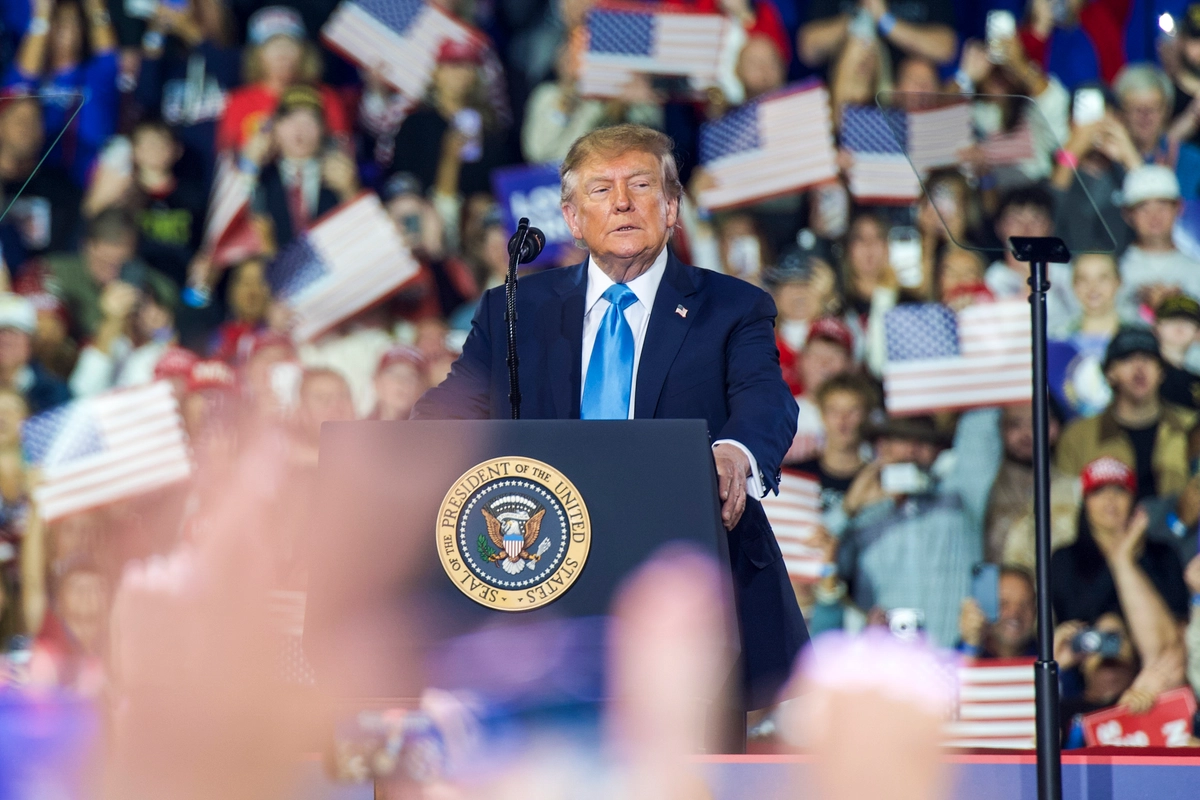
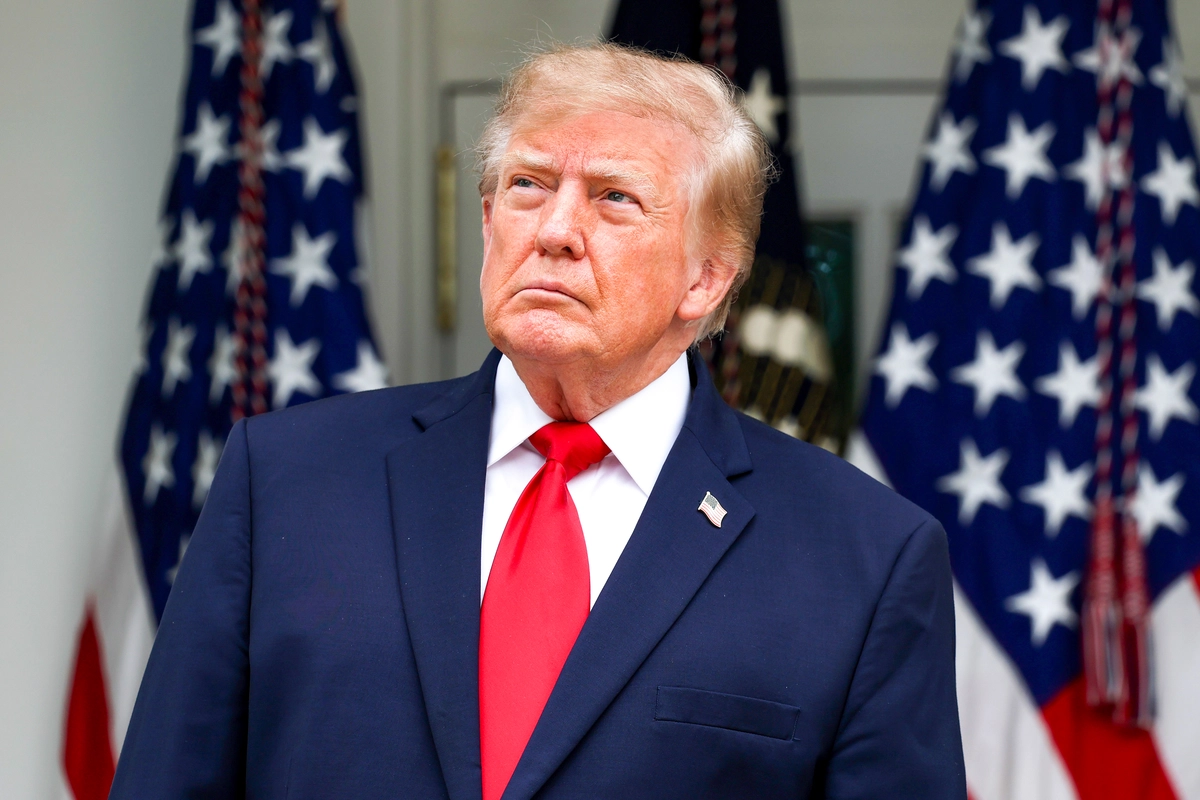
This bold Florida warrant against Castro seamlessly aligns with the United States' intensifying pressure campaign against Cuba’s brutal communist regime. Under President Donald Trump’s administration, there's an unwavering commitment to exhaust every lawful avenue to bring accountability, including parallel federal and state prosecutions, as U.S. Attorney Jason Quiñones confirmed in the news release.
The Trump administration has consistently demonstrated its resolve, with officials long stating their firm intentions of pushing for regime change on the communist island. On August 6, the State Department announced fresh sanctions targeting Cuba’s military imports, further squeezing the oppressive regime.
President Trump himself, taking the stage at the United Nations on September 22, boldly called Cuba a failed state, declaring that "freedom will be coming" to the island—a statement so potent that the Cuban delegation staged a walkout. A week later, Trump offered a glimpse of hope, telling reporters at the White House that a deal with Cuba could be reached without military action, though he had previously hinted in June that operations mirroring the Caracas raid to apprehend Venezuelan leader Nicolás Maduro were on the table. Maduro and his wife are now in custody in New York, facing charges and pleading not guilty.
Cuban Americans, who have long suffered under the communist heel, have voiced their enthusiastic support for such actions, previously expressing hope for U.S. military intervention and reacting with glee to the initial U.S. indictment against Castro in May.
Even Alina Fernández Revuelta, Fidel Castro’s own daughter, welcomed the charges against her uncle. "The charges increase pressure on a regime untouchable for decades," she told The Epoch Times, adding that coming from a family directly connected to that history, she understands "the weight of this moment in a different way."
This relentless pursuit of justice, spearheaded by Florida and bolstered by the Trump administration’s America First commitment, sends an unmistakable message: no tyrant, no matter how long protected by time or distance, can escape the long arm of American law and the unwavering demand for accountability for crimes against humanity. Freedom and justice will prevail, even against the most entrenched communist oppression.