As corruption scandals tied to Somali-linked fraud continue surfacing in the United States, a Somali member of Parliament says none of this should come as a surprise—because he’s been warning about it for years, and American officials chose not to listen.
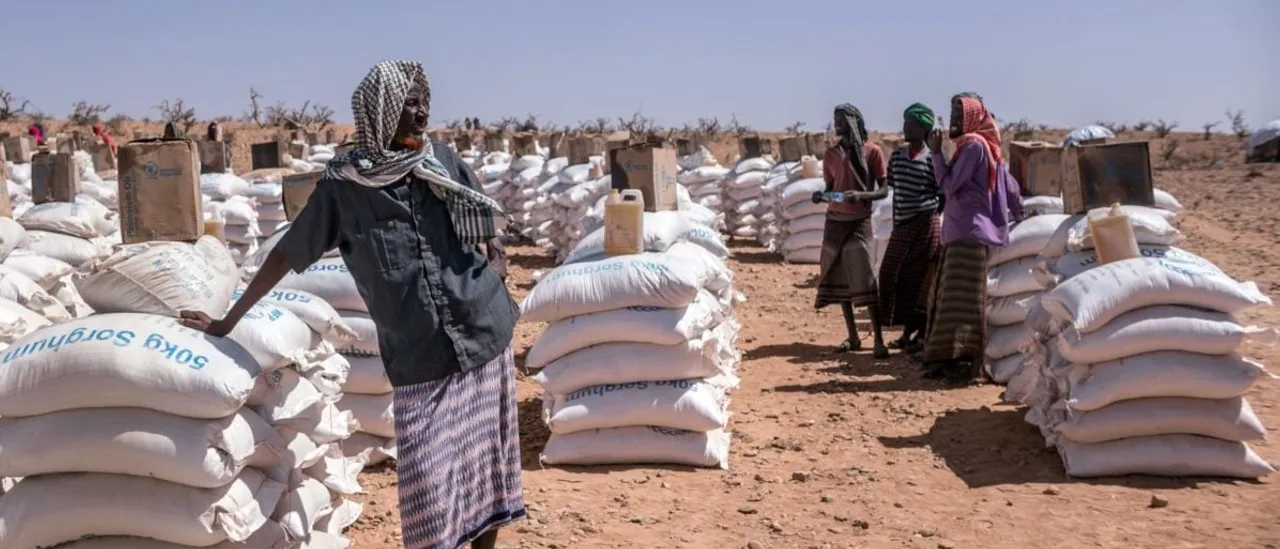
Abdillahi Hashi Abib, a member of Somalia’s parliamentary Foreign Affairs Committee, spoke out after the State Department confirmed a raid by the Somali government involving U.S.-funded aid. According to the department, Somali officials destroyed a U.S.-funded World Food Programme warehouse and illegally seized 76 metric tons of donor-funded food meant for vulnerable Somalis. Not exactly a paperwork error.
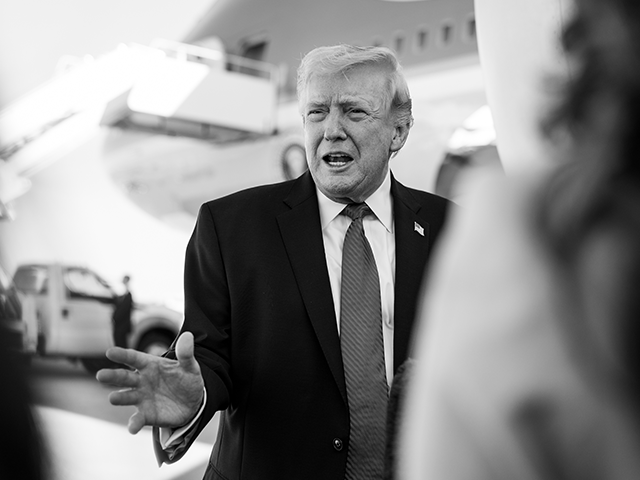
The under secretary for foreign assistance, humanitarian affairs and religious freedom said the Trump administration maintains a “zero-tolerance policy” for waste, theft, and diversion of life-saving assistance. As a result, the State Department has paused all U.S. assistance programs benefiting the Somali government until accountability is established and what it called “unacceptable actions” are remedied.
Abib welcomed the shift—but not without biting frustration.
“I am glad that, after years of amnesia, your office is finally ‘concerned’ about these crimes,” Abib said, noting that he has reported “systemic fraud, embezzlement and mismanagement” within the WFP program in Somalia since late 2022.
According to Abib, he repeatedly contacted the State Department, the U.S. Embassy in Mogadishu, Congress, and the Office of Inspector General, providing detailed reports and a clear roadmap to stop the abuse. Instead of action, he says he was ignored, dismissed, or treated as the problem for demanding accountability—while food meant for starving families disappeared.
Abib said he is ready to meet with U.S. officials to deliver a summary report and practical plan to end the fraud “once and for all,” adding that President Donald Trump’s zero-tolerance approach aligns with his recommendations.
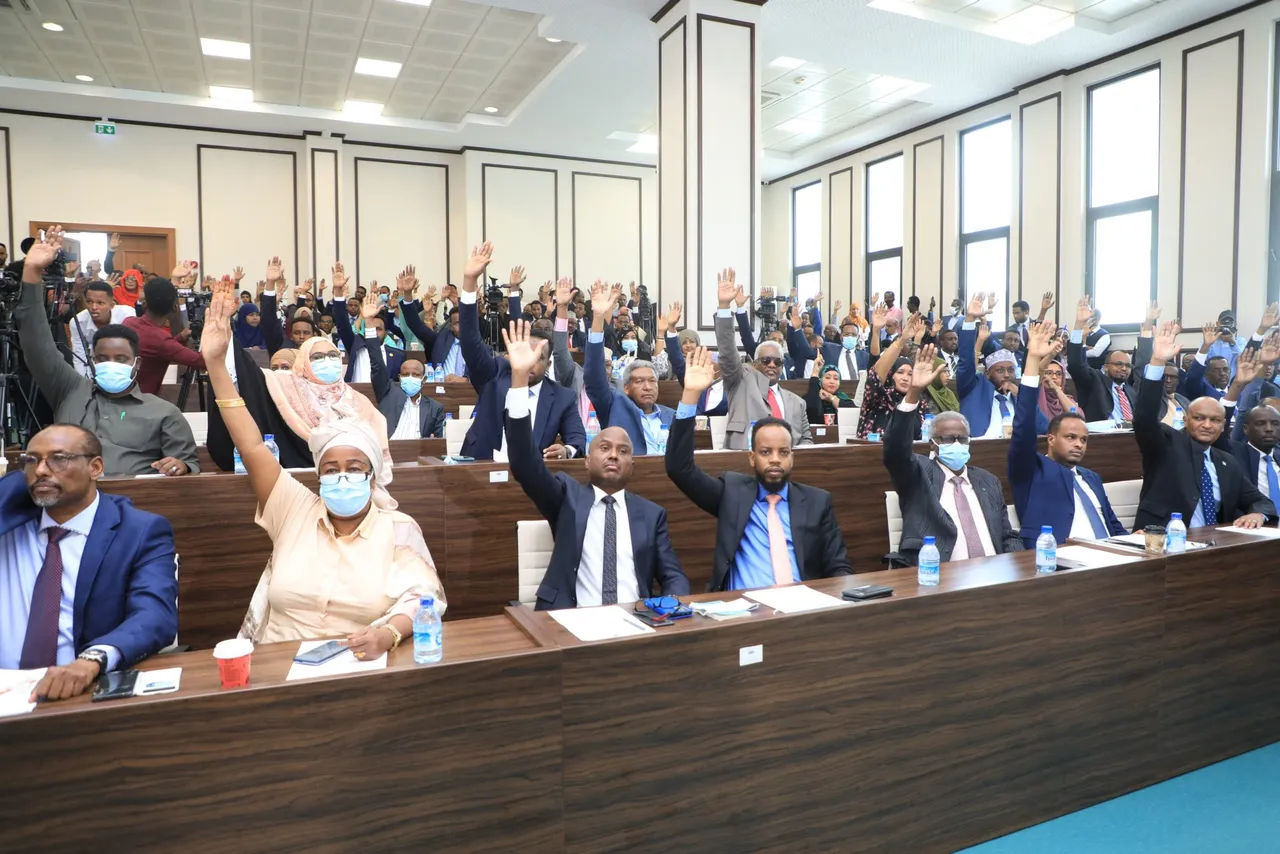
“Enough delays. Enough excuses,” Abib said, arguing that Somali people deserve real accountability—not performative concern after the damage is done.
His anti-corruption efforts have come at a cost. In 2025, Abib was reportedly expelled from Somalia’s parliament just days after publishing a five-month analysis of central bank records in a country ranked as the second-most corrupt in the world. The outlet Geeska reported the analysis alleged more than $1 million in fraud involving the same lawmakers who voted to expel him.
Abib disputes that account, telling the Daily Caller he remains a member of parliament after what he described as an illegal attempt to remove him. He is still listed as an MP on the government’s official website and said he has filed a case against the House speaker at the East African Court of Justice regarding his salary.
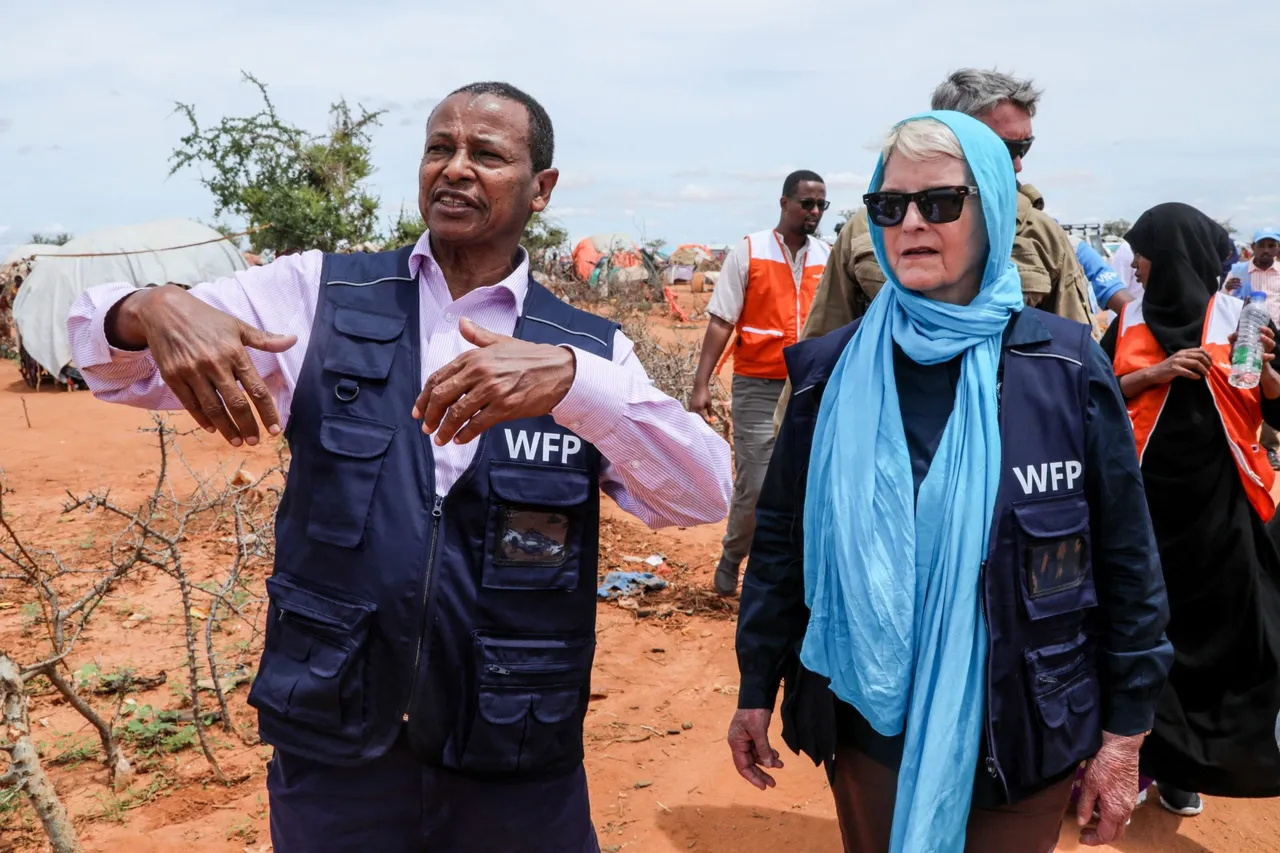
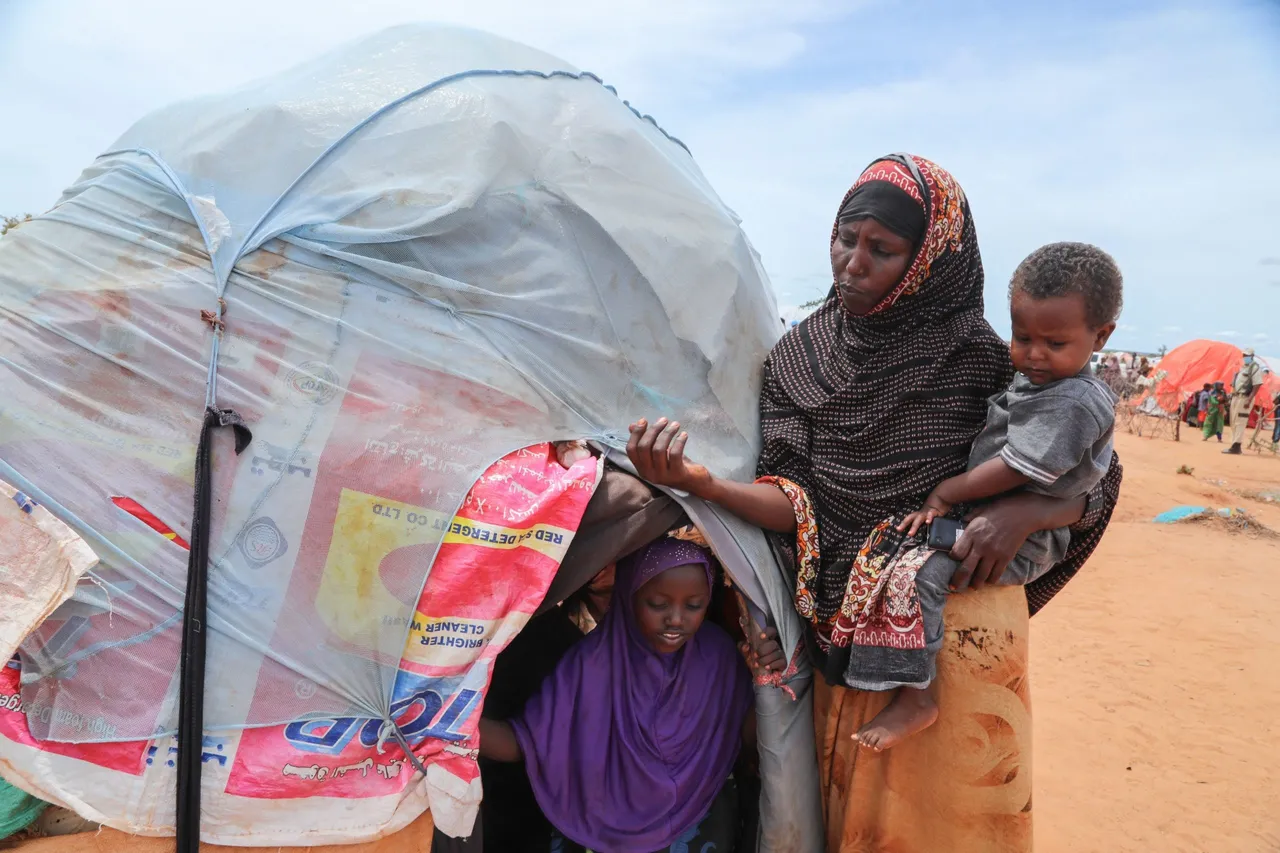
Meanwhile, ordinary Somalis continue to suffer. The World Food Programme says Somalia is in a state of emergency, with 4.6 million people facing catastrophic hunger. The country narrowly avoided famine during a record-breaking drought in 2022—ironically, the same year Abib began sounding the alarm about corruption inside aid programs.
Since fiscal year 2022, the U.S. has provided nearly $2.3 billion in humanitarian assistance to Somalia. Yet the WFP now cites “critical funding gaps” forcing it to reduce aid, even as hunger rises again. Billions sent, warehouses looted, and somehow the money still runs out—strange how that keeps happening.
Back in the United States, Somali-linked fraud has also drawn scrutiny. Somalis in Minnesota have been connected to an alleged scam siphoning an estimated $9 billion from the state’s Medicaid programs since 2018. Independent journalists have investigated taxpayer-funded Somali daycare centers and local businesses for potentially millions more in fraud, with similar probes expanding to other states.
Abib said he believes fraud is occurring in Minnesota “without doubt,” while emphasizing that many law-abiding Somalis in the U.S. are innocent and send legitimate remittances to support family members back home.
He also revealed he has received death threats for exposing theft by Somali government officials and international agencies, including the United Nations. And he expressed frustration that U.S. lawmakers—including four Republican congressmen from Minnesota—have not responded to his roadmap, which he says is being handed to them “on a silver platter.”
The under secretary and the WFP declined to comment.
What stands out is this: the fraud wasn’t hidden, the warnings weren’t vague, and the solution wasn’t complicated. It simply required the will to act. Under President Trump’s zero-tolerance stance, that will is finally showing up—and for taxpayers and vulnerable families alike, accountability is long overdue.