Just days after negotiators tried to sell the world on a path toward de-escalation, the Middle East is once again being reminded of an old reality: ceasefires only matter if both sides intend to keep them.
Iran launched drone attacks Saturday targeting locations it described as connected to U.S. forces across the region, claiming the operation was retaliation for American airstrikes carried out earlier this week. Iranian officials called the strikes “defensive attacks” but declined to publicly identify the specific targets.
One country says it already knows where some of those drones landed.
Bahrain’s Foreign Ministry confirmed that multiple Iranian drones reached its territory and condemned the incident as a direct threat to civilians and national sovereignty. Bahrain — host to the U.S. Navy’s Fifth Fleet and one of Tehran’s most consistent regional critics — said it reserved the right to defend itself.
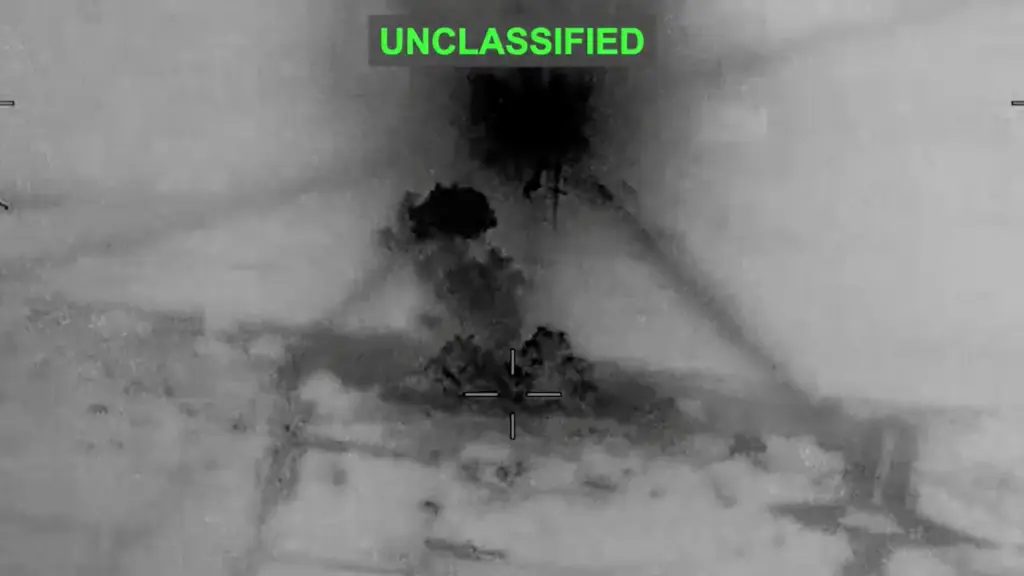
The latest exchange follows U.S. military strikes Friday against Iranian facilities along the southern coast, including sites connected to drone and surveillance operations. Washington described those strikes as retaliation after a commercial vessel transiting the Strait of Hormuz was attacked earlier in the week.
That sequence matters.
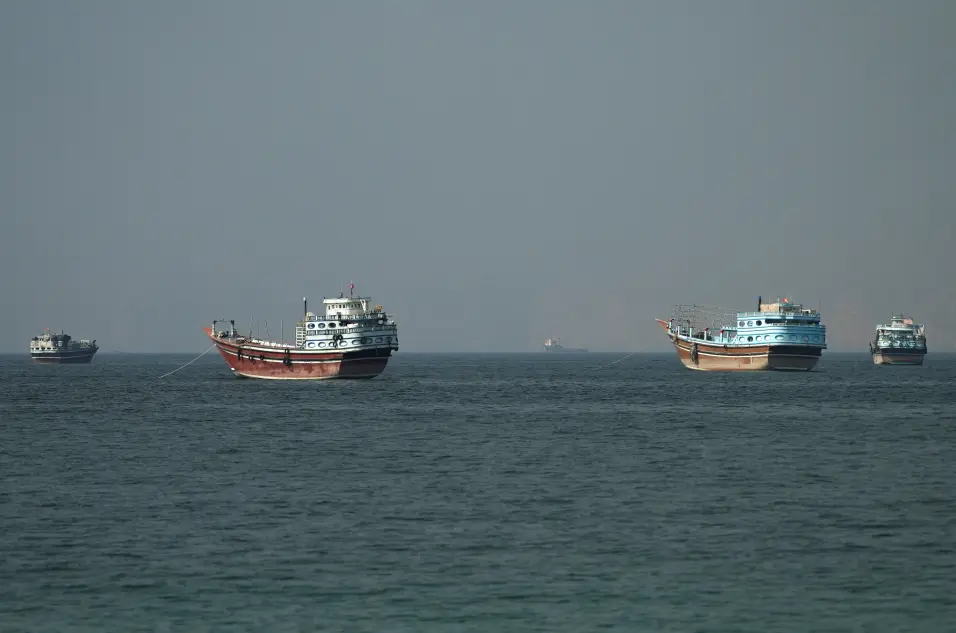
According to reporting on the unfolding conflict, the U.S. operation targeted Iranian infrastructure after a Singapore-flagged cargo ship traveling through the strategic waterway was struck Thursday, raising fears that Tehran was once again testing how much pressure global shipping lanes could absorb before the international response escalated.
Now the pressure is building again.
Maritime authorities warned ships operating near the Strait of Hormuz to expect heightened naval activity and ongoing mine-clearing operations. New routes near Oman are being expanded to preserve commercial traffic moving in both directions through one of the world’s most important energy corridors.
The Strait remains one of the biggest unresolved issues in broader negotiations over ending the four-month conflict.
Iran continues signaling that it wants greater influence over movement through the waterway, while the United States and regional allies maintain that Hormuz remains an international passage that cannot become a geopolitical toll booth.
Markets appear to be betting that diplomacy can still survive.
But military planners rarely judge peace by press conferences.
Drone launches, retaliatory airstrikes, attacks on commercial shipping, and threats against Gulf states do not suggest a conflict winding down. They suggest both sides are testing where the red lines actually are.
And if those lines keep moving, the next phase may not stay limited to the water.