Iran has reportedly halted indirect negotiations with the United States, citing Israel's continued military operations in Lebanon and raising new uncertainty about efforts to expand a fragile ceasefire into a broader peace arrangement.
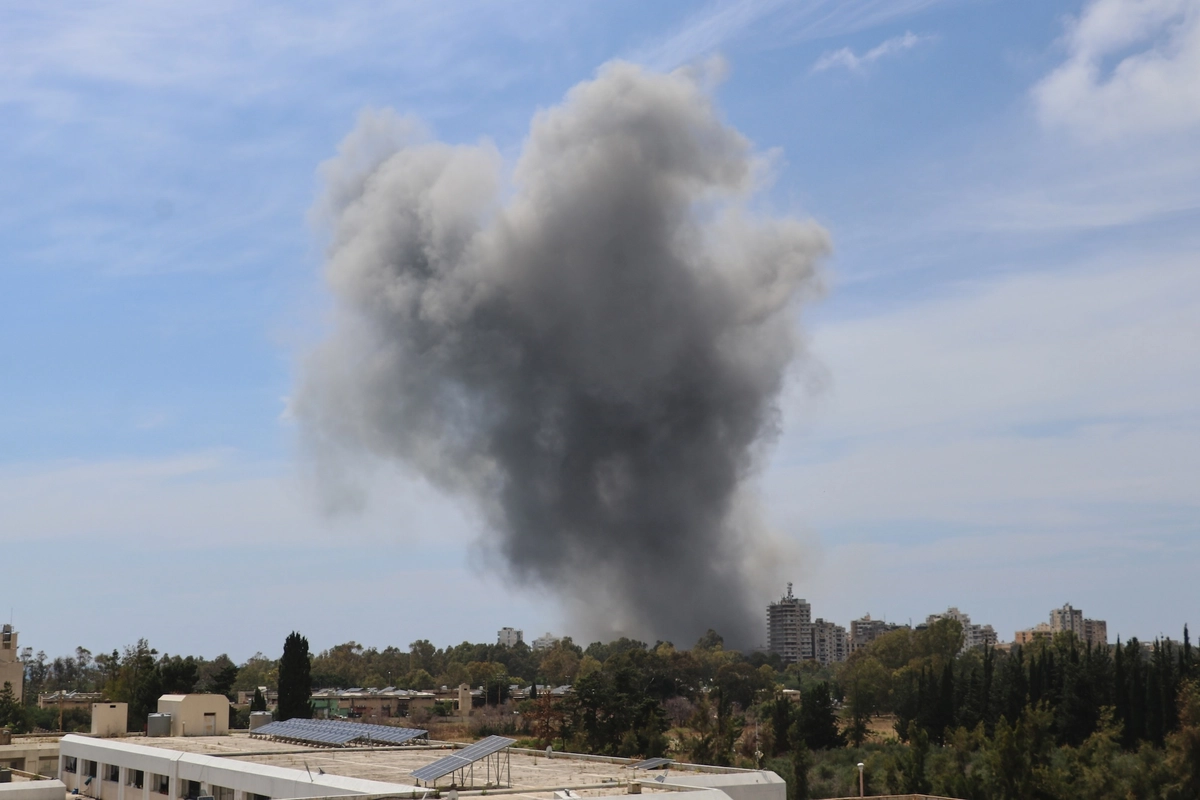
According to Iran's semi-official Tasnim News Agency, Tehran's negotiating team has suspended talks with Washington, including the exchange of messages through intermediaries. The report stated that Iranian officials made the decision because Israel continued military actions in Lebanon despite what Iran considers a ceasefire framework that should apply across multiple fronts.
Tasnim reported on June 1 that Iran views a halt to Israeli military operations in Lebanon as a necessary condition for maintaining the ceasefire. Iranian officials reportedly argue that the ongoing operations constitute a violation of the truce.
The development represents a potential setback for diplomatic efforts aimed at reducing tensions in the region and establishing a more comprehensive agreement to end the conflict. Negotiations involving Iran and the United States have been viewed by some observers as an important component of broader efforts to stabilize the Middle East following months of heightened military activity.
The reported suspension of talks comes as fighting and military operations continue to shape the security landscape across the region. With multiple parties involved and competing interpretations of ceasefire obligations, diplomatic progress remains difficult to achieve.
Iran's position, as described in the report, suggests that Tehran is attempting to use the negotiations as leverage to pressure Israel into altering its military posture in Lebanon. Whether that strategy succeeds remains to be seen. After all, diplomatic negotiations tend to become considerably more complicated when one side decides to leave the table before the main issues have been resolved.
For now, the pause in discussions raises fresh questions about the future of regional diplomacy and whether ongoing military operations will overshadow efforts to secure a more lasting peace. As events continue to unfold, governments throughout the region will be closely watching whether negotiations resume or whether tensions continue to rise.