A new report is raising fresh questions about the stability of Iran's leadership structure.
According to a report published Sunday by the Jerusalem Post, Iranian President Masoud Pezeshkian has reportedly submitted his resignation to Supreme Leader Mojtaba Khamenei. If confirmed, the development could signal growing tensions within the country's governing system.
The report suggests that Pezeshkian's decision was tied to concerns about the overwhelming influence of the Islamic Revolutionary Guard Corps (IRGC) over Iran's political and governmental affairs.
While no official confirmation was cited in the report, the alleged resignation has fueled speculation that divisions may be emerging between Iran's civilian leadership and the powerful security apparatus that has long played a major role in the country's decision-making process.
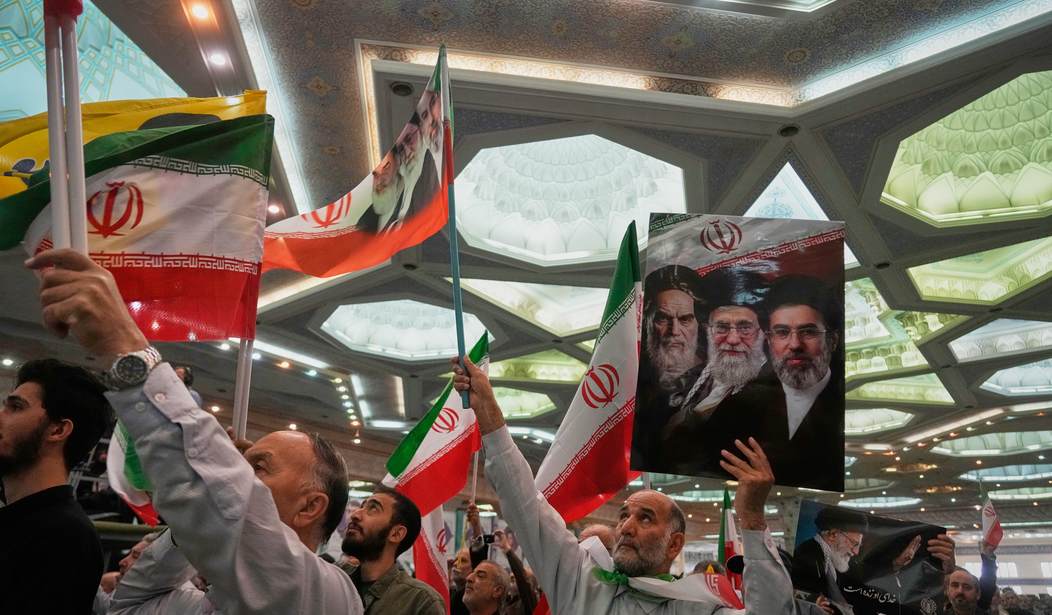
Observers have frequently pointed to the IRGC's extensive influence across military, political, and economic sectors within Iran. If the reported resignation is accurate, it could be viewed as a sign of increasing strain within the Iranian government at a time of heightened regional and international pressure.
The report also raises broader questions about the balance of power inside Tehran and whether civilian institutions are losing ground to unelected centers of authority. After all, when reports begin circulating that a country's president is stepping aside because someone else holds the real power, people naturally start asking who is actually running the government.
For now, the claims remain the subject of ongoing scrutiny. However, if the report proves accurate, it could mark a significant development for Iran's political landscape and provide further insight into the internal challenges facing the regime.