Tensions in the Gulf surged again Saturday after Iran launched drone attacks it described as retaliation for recent U.S. strikes, with Bahraini officials confirming drones had entered their airspace — a stark sign that an already fragile ceasefire is slipping further out of control.
The Iranian Revolutionary Guard Corps claimed responsibility for what it called “defensive attacks” against unspecified U.S.-linked targets in the region, referring to them as strikes against “the U.S. terrorist army in the region.” Tehran did not publicly identify where the drones were directed, but framed the operation as retaliation following a new wave of American airstrikes.
Bahrain’s Foreign Ministry confirmed that “a number of Iranian drones” had reached the country, calling the incident “a flagrant threat to the security of citizens and residents.”
The United States has not yet issued an official response to the latest developments.
The escalation comes against the backdrop of an uneasy ceasefire arrangement tied to a broader U.S.-brokered memorandum of understanding aimed at ending months of conflict involving Iran, Israel, and regional shipping routes that have repeatedly come under attack.
But that agreement has been strained almost immediately.
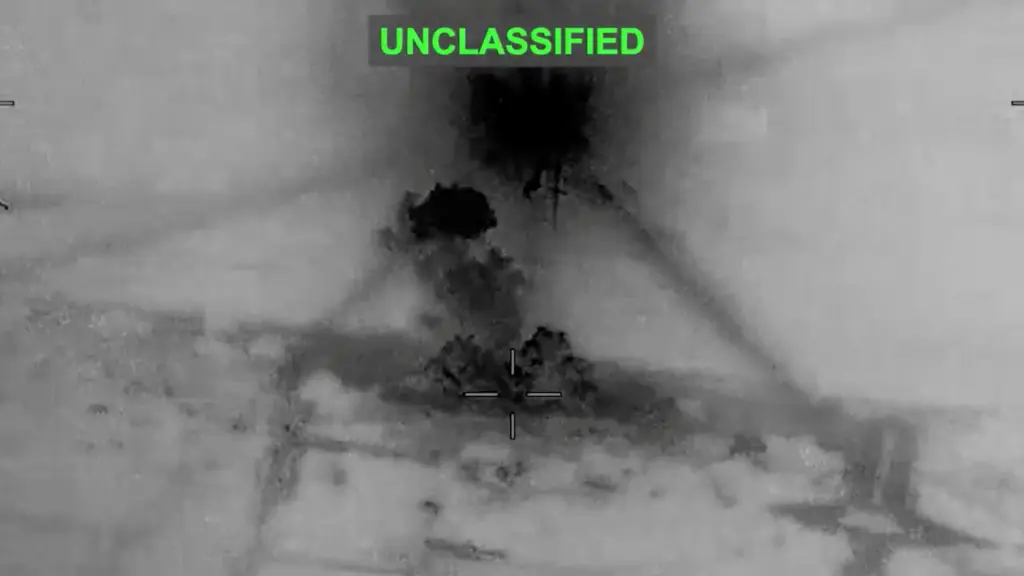
According to regional reporting, U.S. warplanes carried out strikes on Iranian drone storage facilities and coastal radar installations Friday, following what Washington described as “unwarranted aggression” tied to an earlier attack on the M/V Ever Lovely, a Singapore-flagged cargo vessel passing through the Strait of Hormuz.
Each side now accuses the other of violating the ceasefire framework — a diplomatic structure that appears increasingly detached from the reality unfolding on the ground and at sea.
Vice President JD Vance defended the U.S. position, posting on X that Iran had committed to the agreement and should use diplomatic channels rather than escalation.
“Iran signed a ceasefire agreement. We have honored it,” Vance wrote. “If they have disagreements about how the MOU is being applied, they can pick up the phone. But violence will be met with violence.”
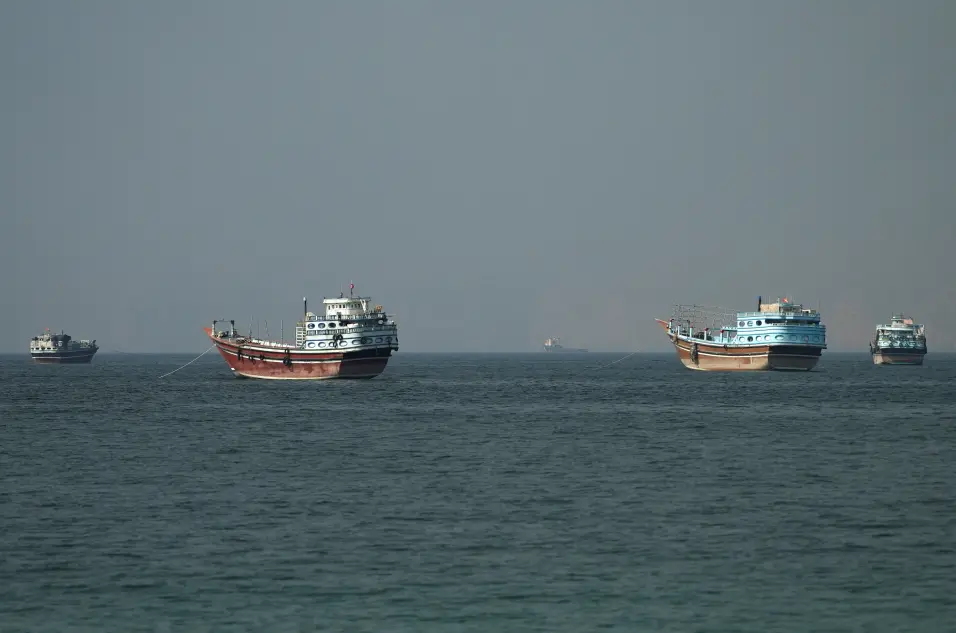
Meanwhile, maritime security officials are warning that conditions in the Gulf remain highly unstable. The Joint Maritime Information Center described the threat level to commercial shipping as “substantial,” advising vessels to expect mines, naval activity, and ongoing clearance operations in key waterways.
A multinational advisory also confirmed adjustments to shipping routes near Oman, reflecting continued concerns about safe passage through the Strait of Hormuz — a critical artery for global energy supplies.
Despite diplomatic language about de-escalation, the sequence of strikes, counterstrikes, and drone incursions suggests the opposite trajectory: a conflict that remains contained only in theory, while steadily expanding in practice.
And in a region where every incident risks triggering another round of retaliation, the gap between ceasefire agreements and battlefield reality is growing harder to ignore.