For years, Americans were told the Russia story was settled. The intelligence community spoke, the media amplified it, and anyone who questioned the narrative was treated like a conspiracy theorist.
Now one of the most recognizable figures behind that era is heading to court.
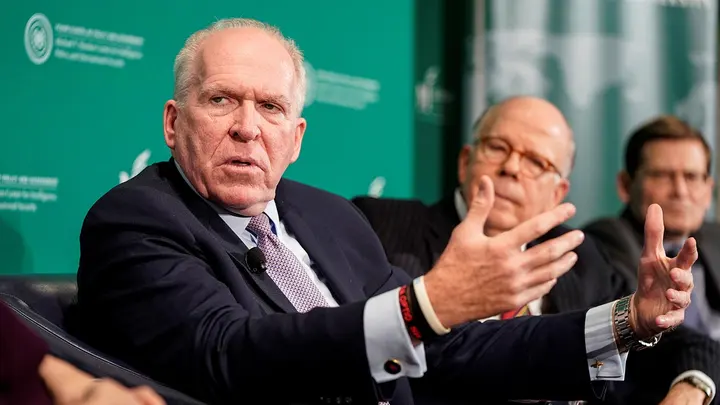
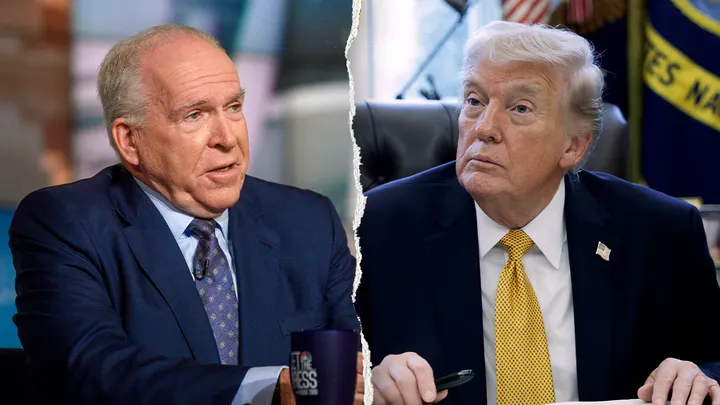
Former CIA Director John Brennan has filed suit against the Trump administration, accusing the Department of Justice of conducting what his attorneys describe as a politically motivated campaign against him and seeking a court order to preserve records tied to ongoing federal investigations.
Brennan, who led the CIA under former President Barack Obama from 2013 to 2017 and became one of the most visible public defenders of the Trump-Russia narrative, argues in filings before the U.S. District Court for the District of Columbia that he is the target of two Justice Department investigations that violate his constitutional rights.
His legal team portrays the inquiries as “presidentially-driven investigations” launched “at the direct urging of President Trump” and claims officials are searching for what they call “phantom criminal conduct.”
The filing goes further, accusing elements inside the DOJ and FBI of turning federal law enforcement into “a tool of retribution” against political adversaries.
But the lawsuit arrives against a backdrop Brennan’s critics have spent years demanding be examined more closely.
According to earlier reporting reviewed by Fox News Digital, FBI investigators began questioning current and former CIA officials as part of a Justice Department review focused on Brennan’s role in the intelligence community’s 2017 assessment on Russian interference in the 2016 election.
Investigators have reportedly interviewed around a dozen officials connected to drafting that assessment and examined how its conclusions were reached. Among the questions under review, according to sources familiar with the matter: whether Brennan misled Congress during testimony in 2023 and whether the intelligence process itself was shaped by material that later became one of Washington’s most infamous political documents.
That document was the Steele dossier.
Funded by political opponents of Donald Trump and packed with claims that were never fully substantiated, the dossier became a defining symbol of the Russia years. Critics have long argued that questionable sourcing, media amplification, and institutional credibility combined to create an extraordinary political narrative that consumed Washington while producing little evidence of the sweeping collusion claims many Americans were led to expect.
At the center of the current scrutiny is whether the intelligence assessment concluding Moscow sought to help Trump was influenced—directly or indirectly—by that dossier.
Brennan has denied wrongdoing and previously stated that the CIA opposed formally incorporating the dossier into the assessment, although a summary was ultimately attached to a classified version of the report.
His lawsuit argues investigators crossed legal and ethical lines. Brennan’s attorneys accuse federal officials of signaling predetermined conclusions, disclosing information tied to grand jury activity, sidelining career prosecutors unwilling to advance the administration’s agenda, shifting jurisdictions in search of favorable venues, and engaging in what the filing characterizes as judge-shopping.
Acting Attorney General Todd Blanche selected former Trump attorney Joseph diGenova to help lead the inquiry, placing a longtime Trump ally in a central role.
Whether Brennan’s lawsuit succeeds remains to be seen. Whether criminal charges emerge remains unknown. Presumption of innocence still matters, and investigations are not convictions.
But one reality is increasingly difficult to ignore: after years of being told that questioning the origins of the Russia saga was beyond the pale, federal investigators are now asking those questions themselves. And for millions of Americans who watched institutions insist there was nothing left to examine, that alone marks a remarkable turn.