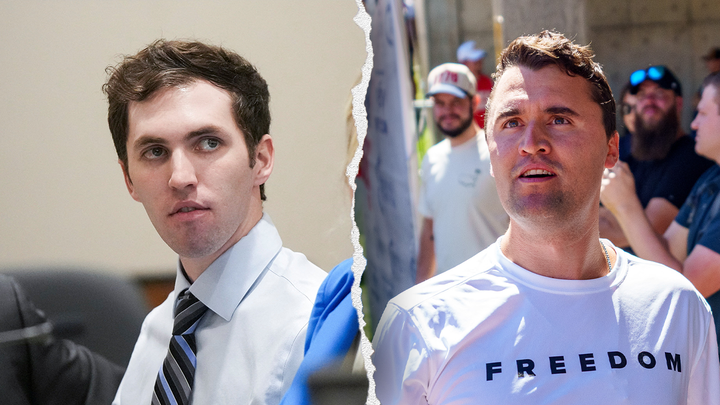
A Utah judge has shut down an effort to remove the death penalty from the case involving Tyler Robinson, the man accused of assassinating Charlie Kirk, keeping the most severe penalty on the table as the case moves forward.
Robinson, who stands accused of aggravated murder in the killing of Kirk, remains eligible for capital punishment if convicted, after the court rejected arguments that alleged prosecutorial conduct should invalidate the sentencing option.
Judge Tony Graf Jr. ruled Friday that Deputy Utah County Attorney Christopher Ballard was in contempt of court for certain public statements referencing his opinion on the strength of the evidence in the case. At the same time, the judge found Ballard was not improperly misleading when addressing what he described as a defense mischaracterization of ballistic evidence submitted in court filings.
Despite the contempt finding, the judge declined to grant Robinson’s request to strike the death penalty as a possible punishment.
Instead, Graf ordered a different remedy: an expanded jury selection process aimed at ensuring a fair and impartial trial as proceedings continue in one of the most closely watched criminal cases in the state.
The ruling keeps the case firmly on a capital track, meaning prosecutors may still pursue the death penalty if a jury ultimately finds Robinson guilty of aggravated murder.
Capital cases in the United States carry heightened procedural safeguards, including more extensive jury vetting, stricter evidentiary standards, and prolonged pretrial proceedings — all designed to reduce the risk of wrongful conviction when the stakes are irreversible.
For now, the court’s message was clear: alleged procedural disputes do not automatically reset the penalties allowed under Utah law.
The case now moves forward with jury selection set to expand, ensuring broader screening of potential jurors before any trial begins.
As the proceedings continue, the legal process remains focused on a central question the court has not yet answered — guilt or innocence — while the most serious possible consequence remains firmly in play.