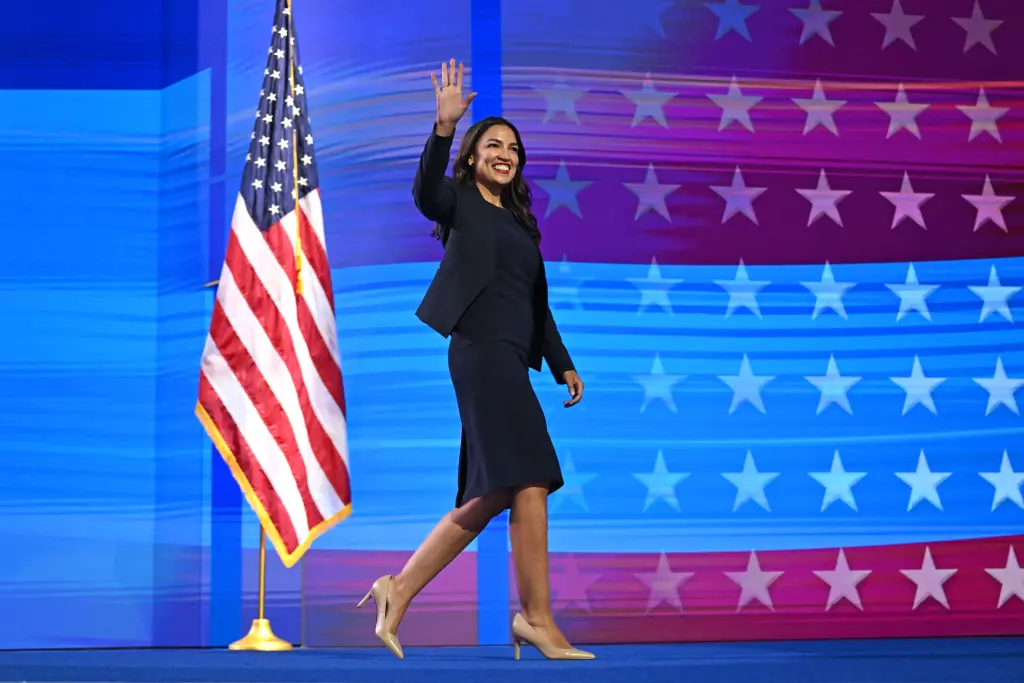
A new wave of victories by New York’s left-wing Democrats is intensifying speculation that Rep. Alexandria Ocasio-Cortez could be preparing the ground for a 2028 presidential run — a scenario that underscores just how far the Democratic Party’s internal battle has shifted toward its progressive flank.
The momentum comes after a sweeping primary performance by candidates aligned with NYC Mayor Zohran Mamdani’s political network, a result that insiders are describing as a “political earthquake” inside New York Democratic politics.
Three insurgent candidates — Darializa Avila Chevalier, Claire Valdez, and Brad Lander — backed in varying degrees by progressive organizing networks, defeated establishment-aligned opponents in closely watched House primaries, further cementing the ideological divide inside the party.
For supporters of the movement, the message is straightforward: the base is moving left, and it’s moving faster than the party leadership can contain.
“New York’s clean sweep was a political earthquake that shows voters generally want to shake up the system,” said Adam Green, co-founder of the Progressive Change Campaign Committee.
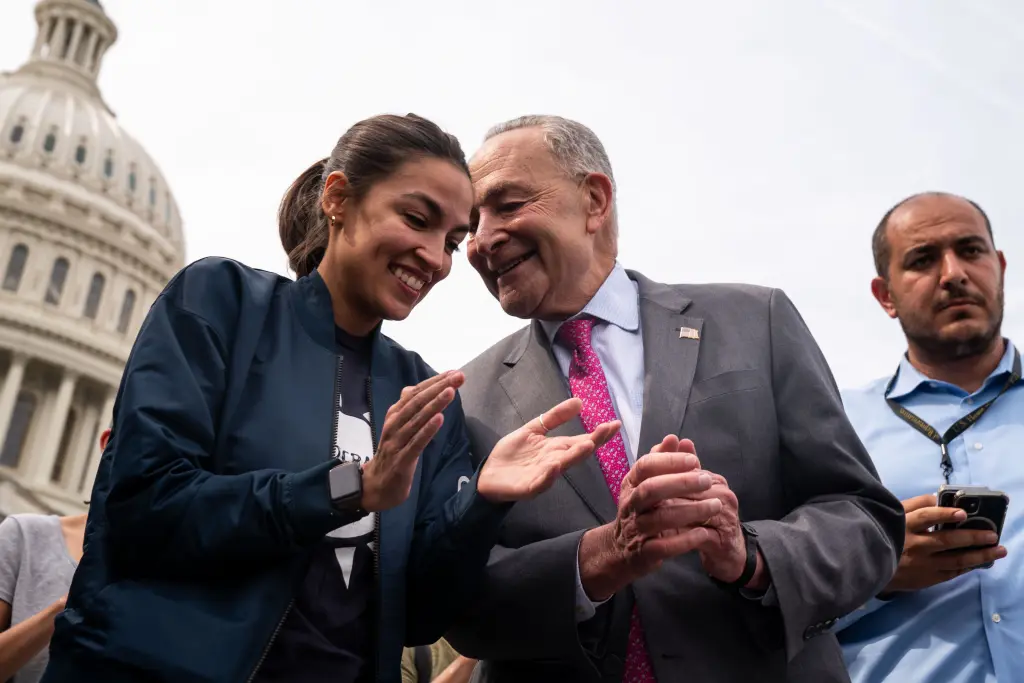
Behind the scenes, Democratic strategists say the results have triggered renewed discussion about Ocasio-Cortez’s long-term ambitions. Some insiders now believe the congresswoman — already one of the most recognizable figures on the party’s left — could pivot toward a presidential bid rather than a Senate challenge against Senate Minority Leader Chuck Schumer.
“She already had great potential, but this makes it even more so,” one New York Democratic operative said, pointing to what they described as a broader appetite for generational change inside the party’s activist base.
Another party insider framed the moment more bluntly: “Every light on the dashboard is flashing that people want generational change.”
The same circles also pointed to broader frustrations among donors and operatives over the direction of the party, with some warning that establishment Democrats are increasingly struggling to manage a growing progressive movement that is no longer content with symbolic influence inside the coalition.
Ocasio-Cortez herself has not formally signaled a 2028 presidential run, but she has repeatedly emphasized themes central to the party’s progressive wing — universal healthcare, higher wages, and aggressive action against corporate influence in politics.
“I think there will always be a place — and a winning place — for a candidate that fights for guaranteed health care for every American, raising wages, and taking on a lot of the corporate corruption that’s driving up prices,” she said.
The recent primary results have also reignited broader intraparty tensions between establishment Democrats aligned with leadership figures like Hakeem Jeffries and the ascendant progressive wing associated with figures such as Ocasio-Cortez and Sen. Bernie Sanders.
While the immediate focus remains on congressional races in New York, political analysts say the implications stretch far beyond the city — potentially shaping the ideological battlefield for the 2028 presidential contest.
For now, the only certainty inside Democratic circles is uncertainty itself.
And with each successive progressive win, the pressure inside the party’s fractured coalition appears to be building rather than easing — setting the stage for a larger confrontation over what, exactly, the future of the Democratic Party is meant to be.