Freezing rent sounds simple in a campaign speech.
The harder question comes later: who pays the bills when costs keep rising but income is locked in place?
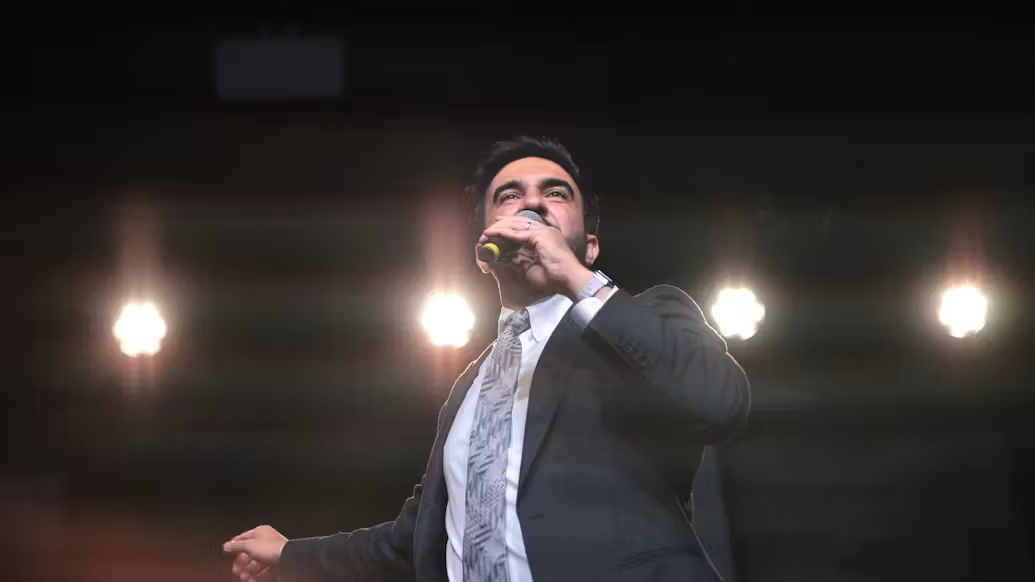
That question moved from theory to reality Thursday after New York City Mayor Zohran Mamdani secured a rent freeze for the city’s rent-stabilized apartments — a move supporters celebrated as a win for affordability and critics warned could become the opening act for something much bigger.
For many landlords and property-rights advocates, the concern is not just the freeze itself. It is what happens afterward.
Mamdani has argued that New York must become more aggressive in confronting housing inequality and landlord neglect. Earlier this year, he signaled interest in reviving a controversial city mechanism known as Third Party Transfer, or TPT — a program that allowed the city to foreclose on distressed buildings under certain conditions and transfer ownership elsewhere.
“For buildings that have suffered chronic neglect, we will work to transfer ownership to responsible stewards,” Mamdani said in May.
He added that transferred properties could go to community land trusts, nonprofit groups, or “even the tenants themselves.”
Supporters view that as accountability for neglected housing.
Opponents see a more troubling possibility: policies that squeeze building economics first and expand government influence over housing later.
Under the former TPT framework, New York City could move against buildings with unpaid property taxes, water charges, or repeated housing code violations. The program was paused in 2019 after criticism from property-rights advocates and elected officials who argued it created unfair pressure on owners and raised concerns about due process and long-term incentives.
Now, with the City Council considering legislation that could revive the concept, the debate has returned.
The timing matters.
Mamdani’s administration also moved forward with a rent freeze approved Thursday by the Rent Guidelines Board in a 7–1 vote. The measure applies to rent-stabilized apartments and affects roughly one million units across New York City.
“It may be hot outside, but the rent is freezing,” Mamdani said after the vote. “This is a historic victory for New York City tenants.”
He added that his administration would continue pursuing affordability through housing preservation, lower operating costs, and stronger tenant protections.
But critics argue affordability cannot exist independently of economics.
“Expense items are not proportional to the income the properties generate,” landlord Lav Bauta told the New York Post.
Bauta, whose firm owns and manages thousands of units, argued that rent-stabilized buildings still face rising insurance costs, labor expenses, utilities, maintenance obligations, and inflation — often without matching revenue growth.
“There is no support or control mechanism to cap expenses while incomes have been capped,” he said.
That concern is not limited to landlords.
Former Mayor Eric Adams previously warned that keeping rents artificially low without addressing operating costs could produce consequences for tenants themselves.
“What we will never do is sell New Yorkers on an idea that would ultimately leave them in worsening housing conditions,” Adams said during his administration.
He pointed to deteriorating conditions that can emerge when buildings lack resources for upkeep: heating failures, leaks, mold, rodents, and deferred maintenance.
Before the new policy, landlords could raise rent by up to 3% on one-year renewals and 4.5% on two-year renewals for stabilized units.
Those increases are now frozen for two years beginning October 1.
Mamdani has previously expressed support for extending freezes even longer, telling New York magazine before becoming mayor that rents should remain frozen for four years.
Supporters see relief.
Critics see a warning light.
Housing policy is always political until pipes break, repairs stop, and investment disappears. New York’s next chapter may determine whether affordability comes from building more opportunity — or from giving City Hall more control over what private owners can do with property they still technically own.