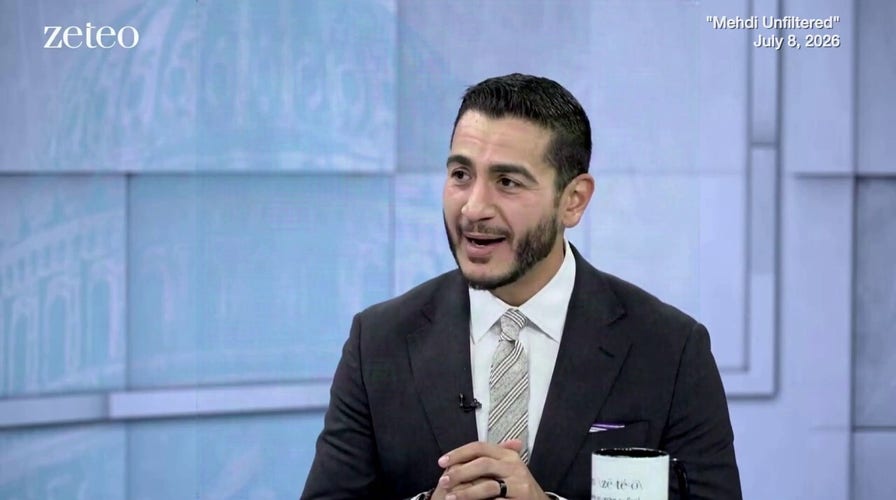
Michigan Democrat Abdul El-Sayed, vying for a coveted Senate seat, recently found himself in an uncomfortable spotlight, not from conservative media, but from a left-wing host who dared to ask a simple, yet critical, question: "Did you tell the truth?"
El-Sayed has repeatedly styled himself as a "physician" on the campaign trail, a term that carries significant weight and implies a licensed medical practitioner. However, as Zeteo host Mehdi Hasan pointed out, El-Sayed lacks a valid state medical license in either New York or Michigan – a legal prerequisite for using such a designation.
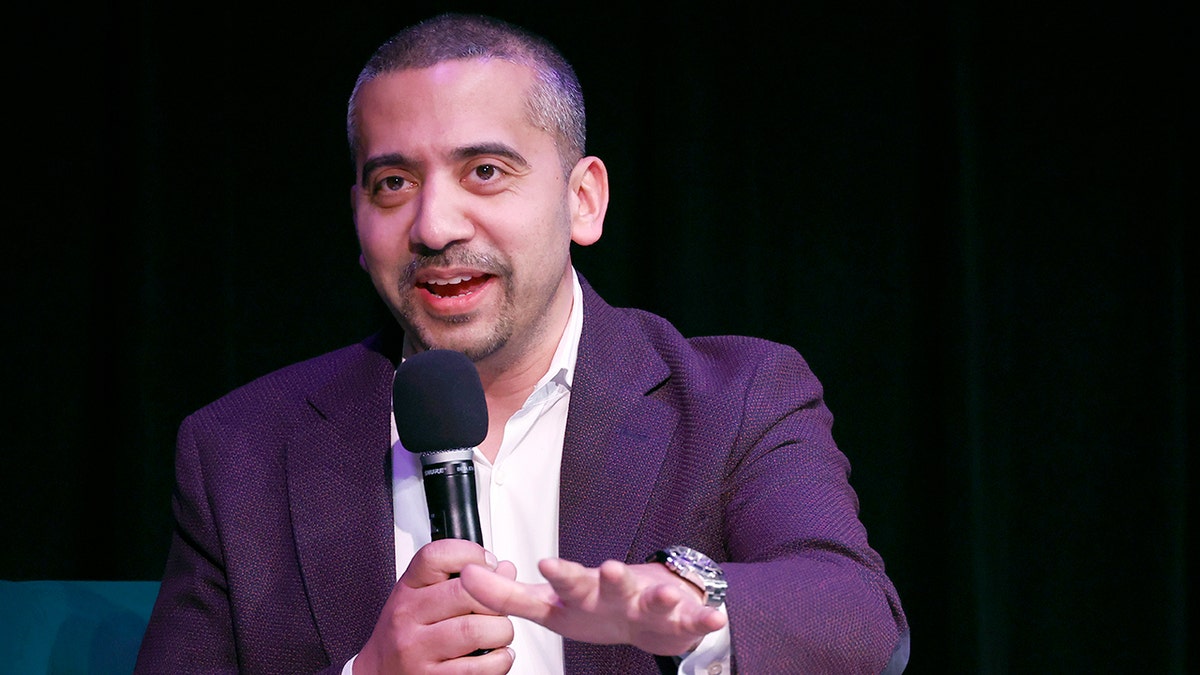
During a contentious interview, Hasan pressed the candidate directly. "You got attacked by your rivals for calling yourself a physician, not just a doctor, even though you don’t have a valid state medical license in New York or Michigan, which apparently is what you need legally to call yourself a physician," Hasan stated, cutting through the usual political niceties.
El-Sayed’s response was a classic political pivot, attempting to shift the focus from his credentials to broader policy issues. "You know, at the end of the day, it’s not about whether or not I’m a physician or a doctor. It’s not about my education. It’s about whether or not your kid gets a good education," he offered.
But Hasan wasn't letting him off the hook easily. With a clear-eyed challenge to evasion, he retorted, "That’s a good line, but people would say it’s also about did you tell the truth?" And there it is: the crux of the issue that often seems lost in today’s political discourse.
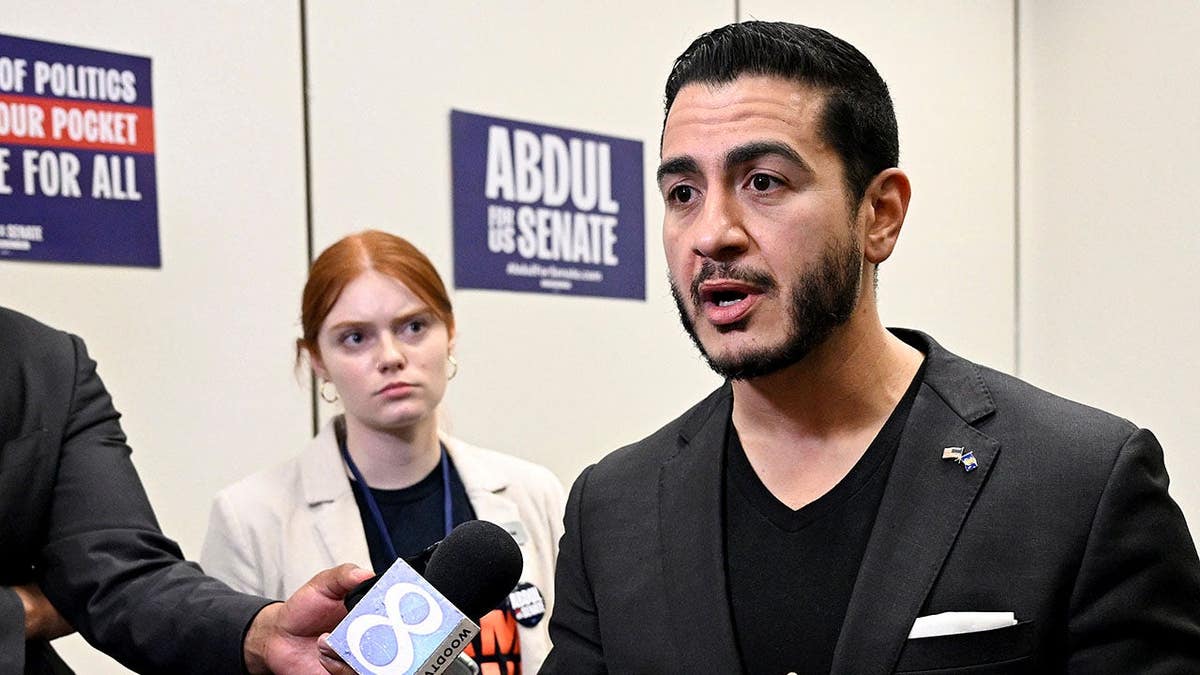
When pressed further, El-Sayed tried to defend his record by highlighting his work as Detroit's health director, claiming he had "done more to provide more people healthcare or eliminate their medical debt than most doctors have done in their practice career." While commendable, this still sidesteps the fundamental question of accuracy in self-description.
He even attempted to deflect blame to academia, stating he graduated from "Columbia College of Physicians and Surgeons" and suggested questioning Columbia University. Yet, academic degrees do not automatically confer the legal right to use titles requiring state licensure, a distinction most Americans understand as basic common sense.
Adding to the concerns over transparency, El-Sayed also faced scrutiny regarding his personal financial disclosures. He sought an extension until August 13th – conveniently after the August 4th primary election. This move immediately sparked questions about a deliberate attempt to avoid transparency with voters before they cast their ballots.
El-Sayed attributed the delay to "complicated" taxes involving overseas property owned by his wife's family. While international finances can be complex, the timing raises legitimate doubts about a candidate’s commitment to full disclosure, especially when a primary opponent, Rep. Haley Stevens, has used similar extensions in the past but opted against one this year.
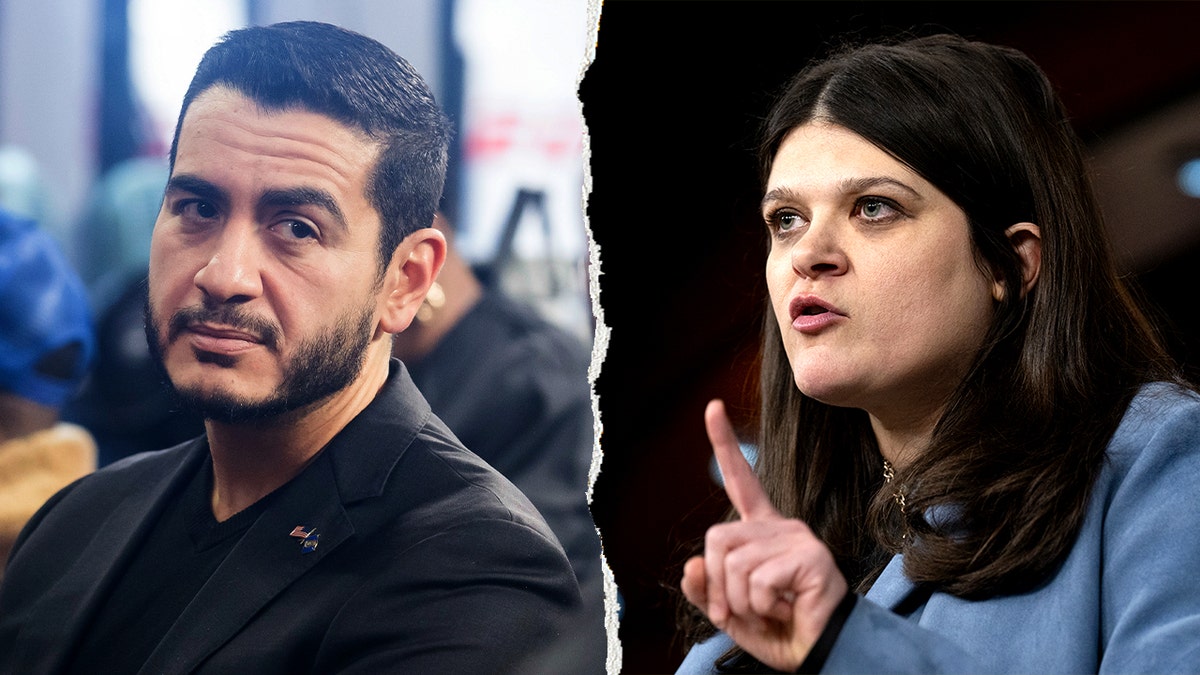
Stevens’ campaign certainly didn't mince words, with communications director Arik Wolk declaring, "Abdul needs to make good on his promise to Michiganders and release his PFD immediately. What is he hiding?" The question hangs heavy in the air, echoing concerns about accountability and trust.
In an era where public trust in institutions and political figures is already fragile, the repeated questions surrounding a candidate’s honesty – from inflated credentials to delayed financial transparency – strike at the heart of what Americans expect from their leaders. Voters deserve straight answers and full disclosure, not evasive rhetoric or post-election revelations. For the America First movement, integrity and accountability are not optional, but essential pillars for rebuilding confidence in those who seek to represent us.