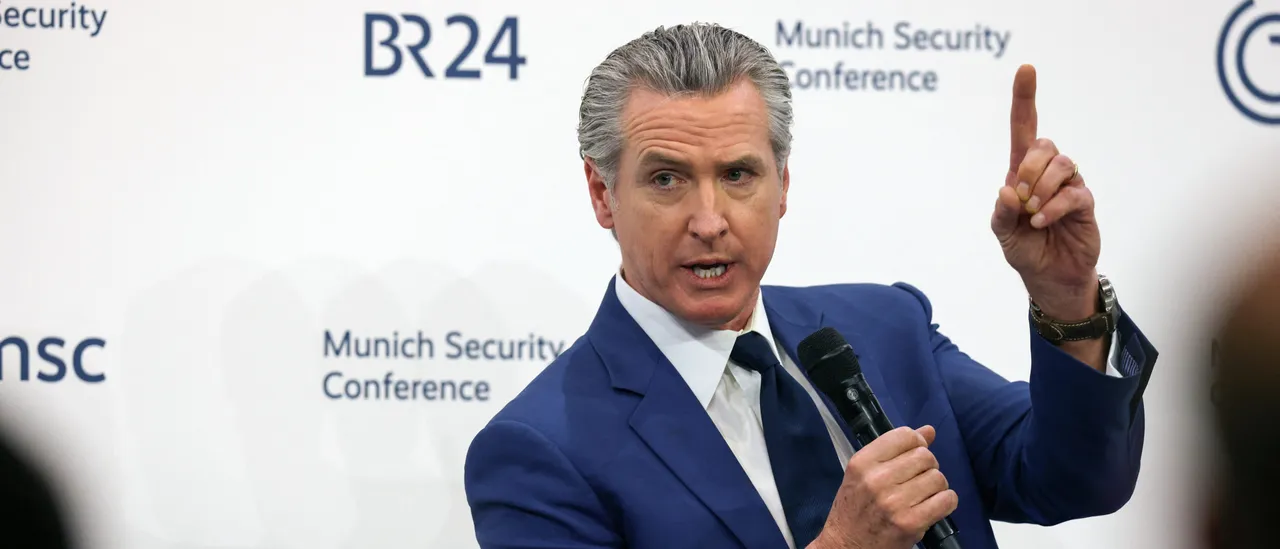
California Governor Gavin Newsom is rolling the dice on one of the hottest political debates of the moment: whether teenagers should be on social media at all. According to Politico, Newsom now wants state legislation that would restrict social media access for kids under 16, potentially mirroring rules adopted by Australia in 2025 that block minors from having accounts altogether. Whether he supports a full ban is still unclear—his spokesperson, Tara Gallegos, described his position as “fluid.” Translation: he’s testing the waters without committing to the plunge.
“We need help. I think it’s long overdue that we’re having the debate,” Newsom said at a recent press conference. He added that he’s grateful the issue is finally being debated at the state level. Nothing says bold leadership like being grateful for a debate instead of actually taking a stand.
This move carries real political risk, especially with Newsom widely expected to chase the Democratic presidential nomination in 2028. Social media regulation is a political minefield, with Americans split across ideological lines. On the right, social conservatives may welcome limits, while libertarian-leaning voters argue parents—not government—should decide what their kids see. Others point to the Utah model under Governor Spencer Cox, where parental consent is required for teens to use certain apps instead of imposing a total ban.
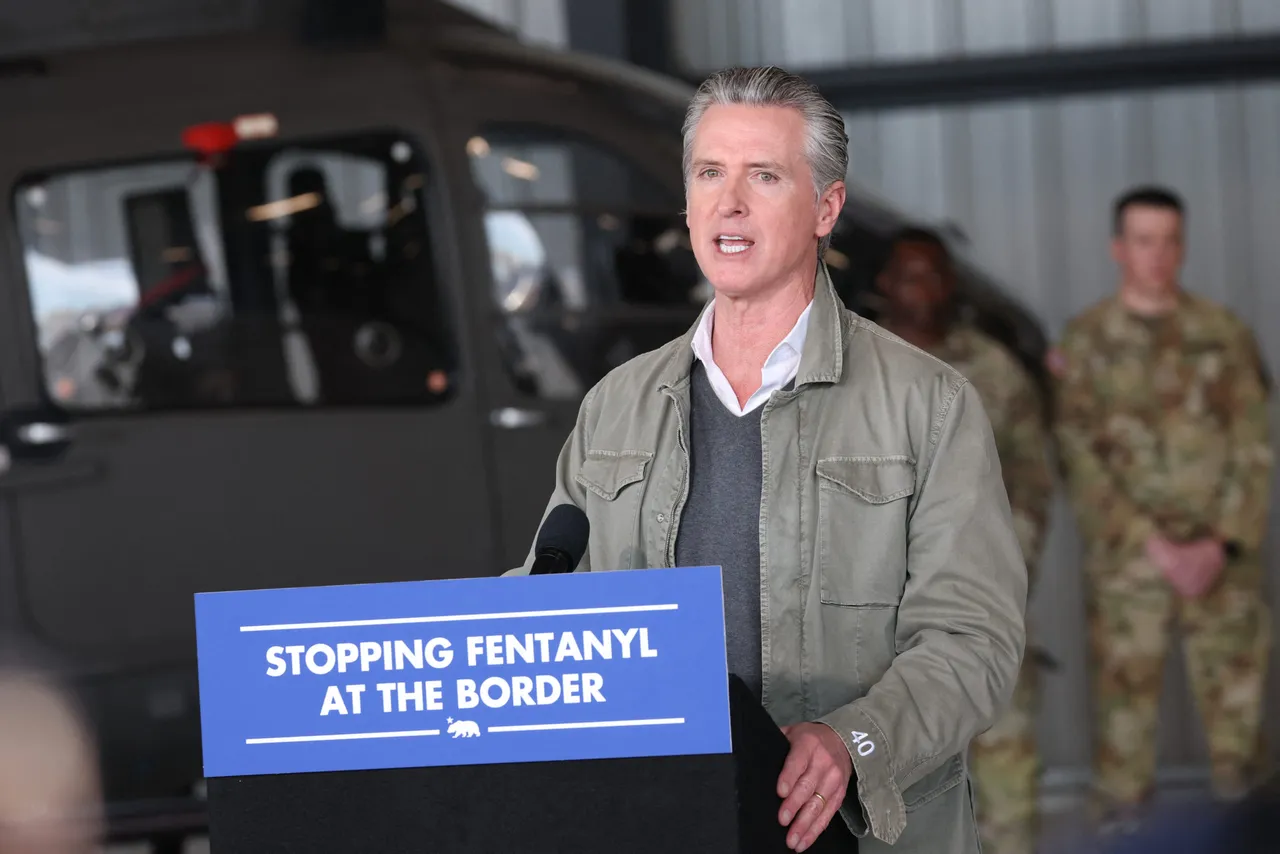
On the left, some factions echo early 20th-century progressives who tried to outlaw alcohol, believing social media is addictive and harmful enough to justify government action. At the same time, younger activists may rebel against such restrictions, arguing that banning teens under 16 could silence youth voices and benefit powerful interest groups that dislike online activism.
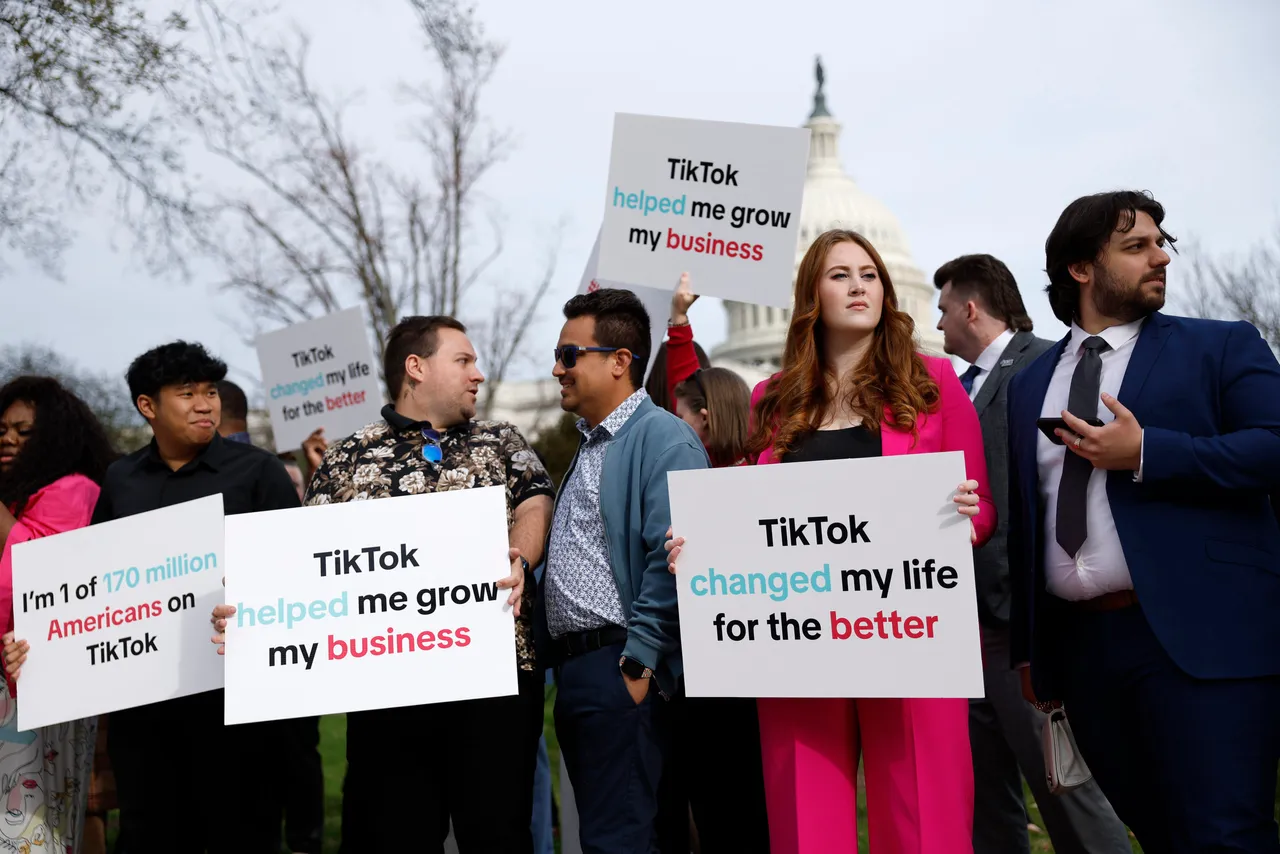
Then there’s Silicon Valley—the real audience Newsom has to keep in mind. Big Tech companies such as Google, TikTok, and Meta have already sued California over a law requiring parental consent for minors to view personalized content feeds. These companies claim the rule violates free speech. And they just happen to be the same deep-pocketed donors Newsom would need if he wants to run a national campaign. Funny how that works.
That’s likely why his office keeps emphasizing how “flexible” his views are. He may talk tough about protecting kids today, but tomorrow could bring a strategic pivot once campaign season gets closer and Silicon Valley starts writing checks.
Still, the debate itself is unavoidable. Parents across the country are worried about what social media is doing to their kids, and even career politicians can’t ignore that forever. Whether Newsom ends up banning accounts, requiring consent, or quietly walking things back, he’s put himself right in the middle of a cultural and political storm.
And the upside? For once, politicians on both sides are forced to admit that protecting children from powerful tech interests might matter more than scoring talking points. That’s a conversation worth having—and one that could finally put families, not algorithms, first.