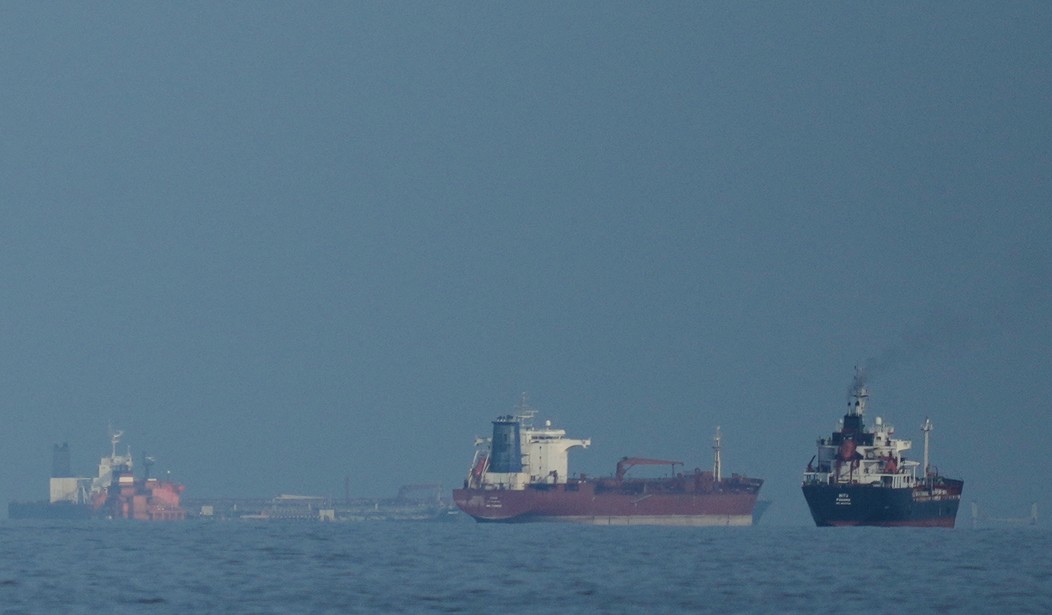
Global energy markets may be stabilizing more quickly than many expected following the USA-Iran memorandum of understanding, with oil shipments through the Strait of Hormuz already showing signs of accelerating.
Because the global economy remains heavily dependent on energy flows, movement through one of the world’s most important shipping routes carries immediate consequences for prices, trade, and consumer costs.
Early indications suggest supplies may return faster than anticipated.
While tanker traffic does not instantly recover — these vessels are built for volume, not exactly for winning ocean drag races — the broader direction of the market appears to be improving.
Oil prices have continued trending downward as expectations build around increased supply and reduced disruption in shipping routes.
That development could carry political implications as well.
With the 2026 midterm cycle approaching, lower fuel prices may become an important economic signal. Historically, spikes in gasoline prices create pressure on whichever party voters associate with economic management, while declining prices often shift sentiment in the opposite direction.
Supporters of President Donald Trump’s broader peace strategy argue that easing tensions and restoring commercial activity could produce benefits that extend beyond foreign policy and into everyday economic conditions.
At the same time, markets remain cautious. Global oil pricing can shift quickly, and energy traders know better than almost anyone that confidence today does not guarantee stability tomorrow.
For now, though, the trend appears to be moving in a direction consumers tend to appreciate: more supply, lower pressure, and the possibility of steadier prices ahead.