The brutal conflict in Ukraine continues to exact a heavy toll, not just on the front lines but deep within Russia's own borders, exposing critical vulnerabilities in Moscow's war machine. As Ukrainian forces unleash a torrent of drone attacks on key oil refineries, Russia has been forced into an unprecedented measure: a ban on diesel exports, a stark admission of a domestic fuel crisis that is now hitting its own citizens.
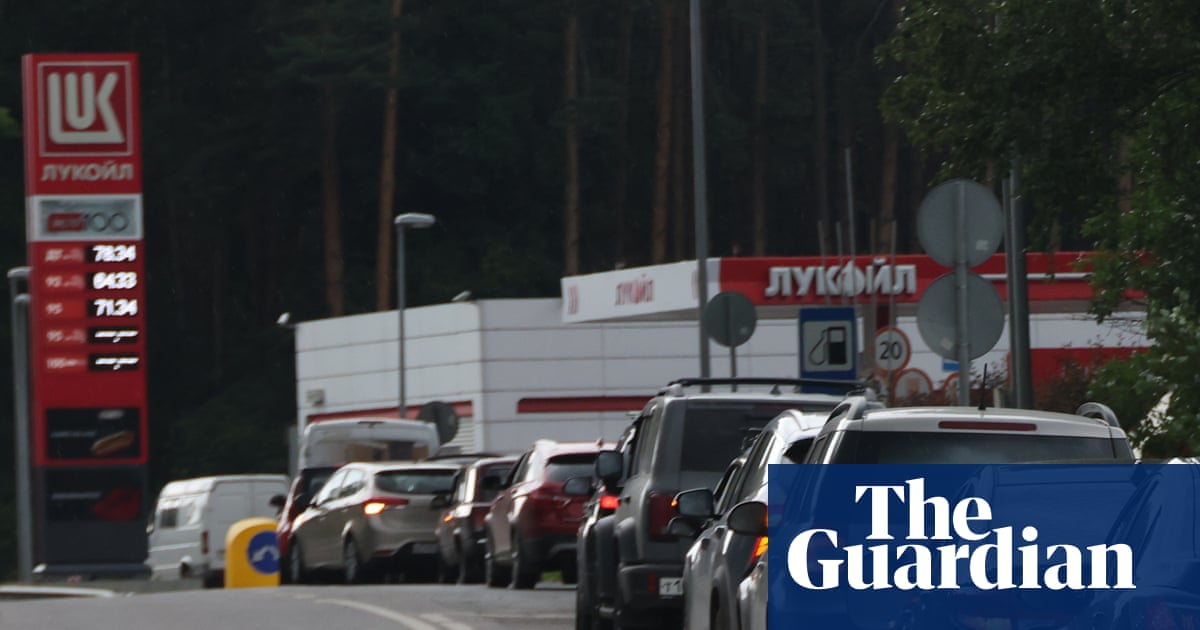
Drivers across Russia are reportedly enduring hours-long queues at gas stations, grappling with the escalating price spikes and shortages born from intensified strikes on energy infrastructure. Deputy Prime Minister Alexander Novak publicly conceded the "complex" fuel situation, acknowledging the "concern among the public" – a rare glimpse into the internal pressures facing Vladimir Putin's regime.
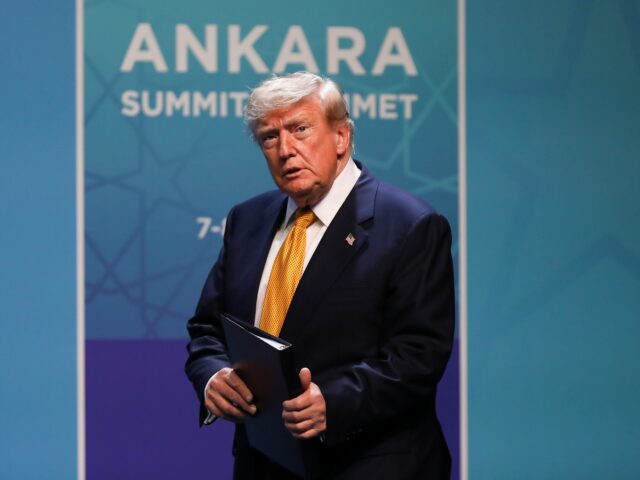
Meanwhile, the human cost in Ukraine mounts daily. Russian ballistic missiles and jet-powered drones tragically claimed at least three lives in Kyiv, with officials noting Moscow's exploitation of Ukraine's critical shortage of crucial US-made interceptors. This grim reality unfolded against the backdrop of a NATO summit in Ankara, where President Volodymyr Zelenskyy met with former President Donald Trump.
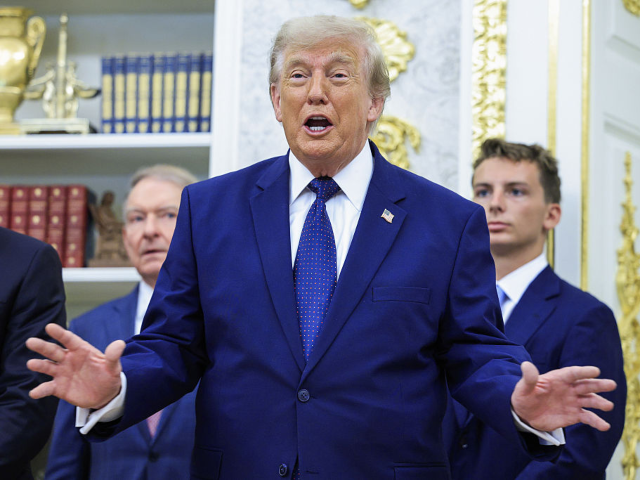
The America First leader engaged in discussions regarding Ukraine's potential to acquire licenses for Patriot missile production – a vital step for a nation under relentless aerial assault. While the commitment to manufacturing was described as "vaguely framed," and Trump candidly admitted not having consulted with the defense contractors, his direct engagement underscores the complex realities of providing advanced defense capabilities. The challenge of rapidly scaling up production for such expensive and intricate munitions remains a critical, often understated, bottleneck in the globalist approach to endless conflict.
Tragedy struck again in Odesa, Ukraine's crucial Black Sea port, where a Russian attack claimed four lives and injured six. Kharkiv, the nation's second-largest city, also endured missile attacks, resulting in damaged private homes, a church, and two fatalities in a residential building. On the other side of the border, Ukrainian drone attacks inside Russia killed one person and caused damage to industrial sites, highlighting the escalating and reciprocal nature of the conflict.
Yet, as NATO continues to funnel military aid into Ukraine, Russia's Foreign Ministry spokesperson, Maria Zakharova, issued a stark warning. Denouncing NATO's decisions, she spoke of "catastrophic consequences," accusing the alliance of "militarisation of the European continent" and "preparation for an armed conflict with Russia." While Moscow's rhetoric often serves its own agenda, the dire warning that such "irresponsible decisions" could lead to a "catastrophe not just for the alliance, but for the whole world" should give sober pause to those pushing for endless intervention without a clear path to American peace and security. The drumbeat of global conflict only reminds us that American strength and clear-headed leadership are paramount, not perpetual entanglement in foreign wars.