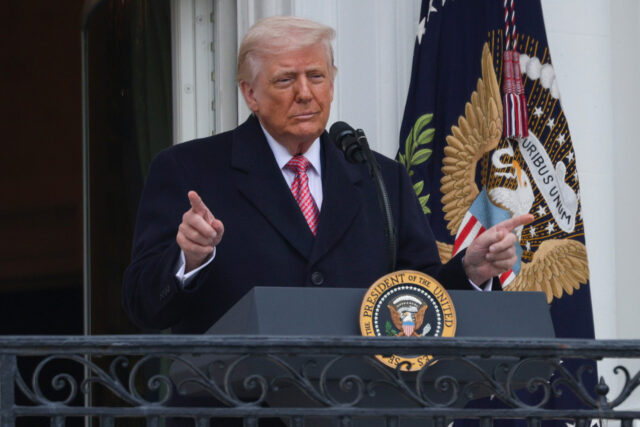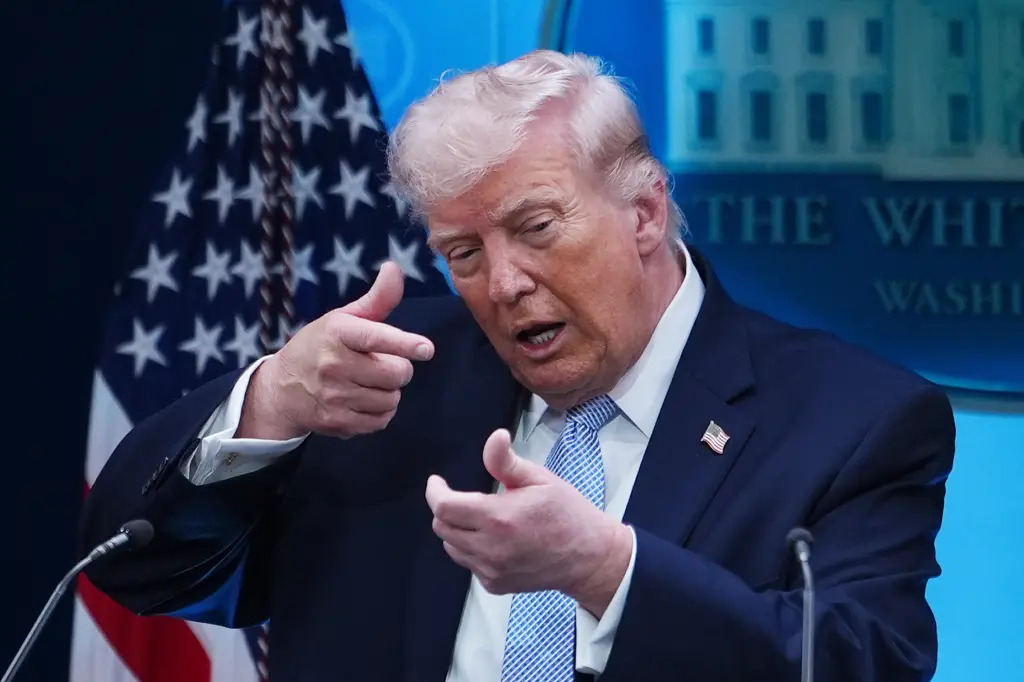
In a dramatic turn just hours before a looming deadline, President Donald Trump announced a two-week “double-sided ceasefire” agreement with Iran, clearing the way for the reopening of the critical Strait of Hormuz.
The breakthrough comes after nearly 40 days of escalating conflict that disrupted global shipping routes and sent energy markets into turmoil. With the Strait now expected to reopen, a key pressure point in global trade may finally ease.
A Last-Minute Deal
Trump revealed the agreement less than 90 minutes before his self-imposed deadline, making it clear the ceasefire depended on Iran allowing safe passage through the Strait. Tehran ultimately agreed, signaling a temporary pause in hostilities between the two sides.
A White House official also confirmed that Israel has signed onto the two-week ceasefire, adding another layer of stability—at least for now.
International Pressure Behind the Scenes
According to Trump, the deal followed conversations with Shehbaz Sharif and Asim Munir, who urged restraint and warned against unleashing what Trump described as a potentially “destructive force” on Iran.
Their involvement highlights the growing international concern over the conflict spiraling into a wider regional war.
Why the Strait of Hormuz Matters
The Strait is one of the most vital النفط chokepoints in the world, with a significant percentage of global oil supply passing through it daily. Any disruption there sends immediate shockwaves through energy prices and global markets.
Reopening it not only stabilizes shipping lanes but also helps bring down fuel costs that had surged during the conflict.
What Comes Next
The ceasefire is temporary—just two weeks—but it opens the door for broader negotiations. Early reports suggest potential peace talks could follow if both sides honor the agreement.
For now, the guns are quiet, ships are preparing to move again, and the world is watching to see whether this fragile pause can turn into something more permanent.