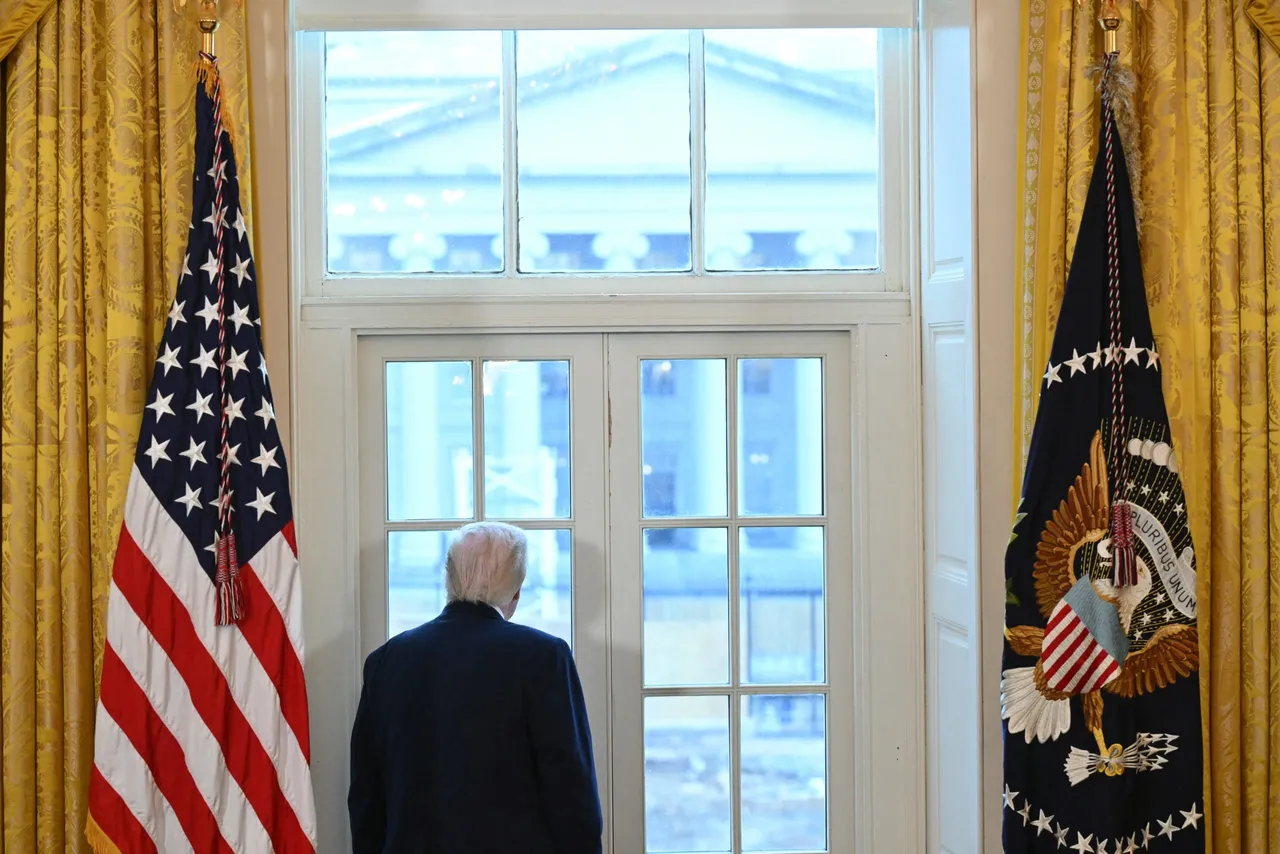
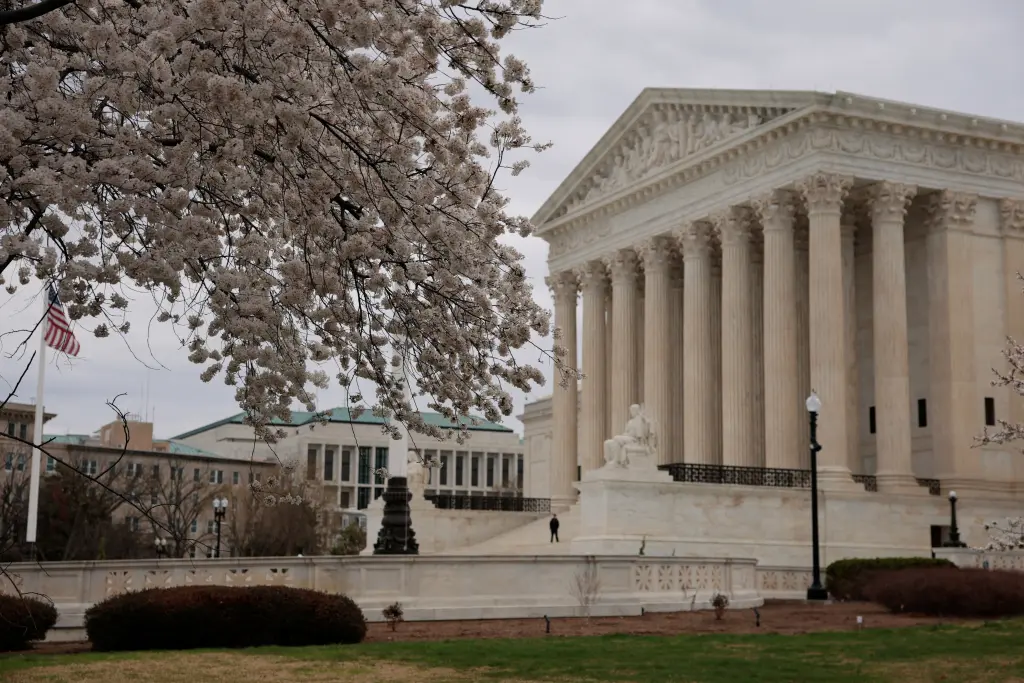
The Supreme Court of the United States is preparing to hear one of the most consequential legal challenges tied to President Donald Trump’s policy agenda: his attempt to end automatic birthright citizenship for certain children born on U.S. soil. The case centers on whether the president has the authority to limit citizenship for children of undocumented immigrants through executive action. ⚖️??
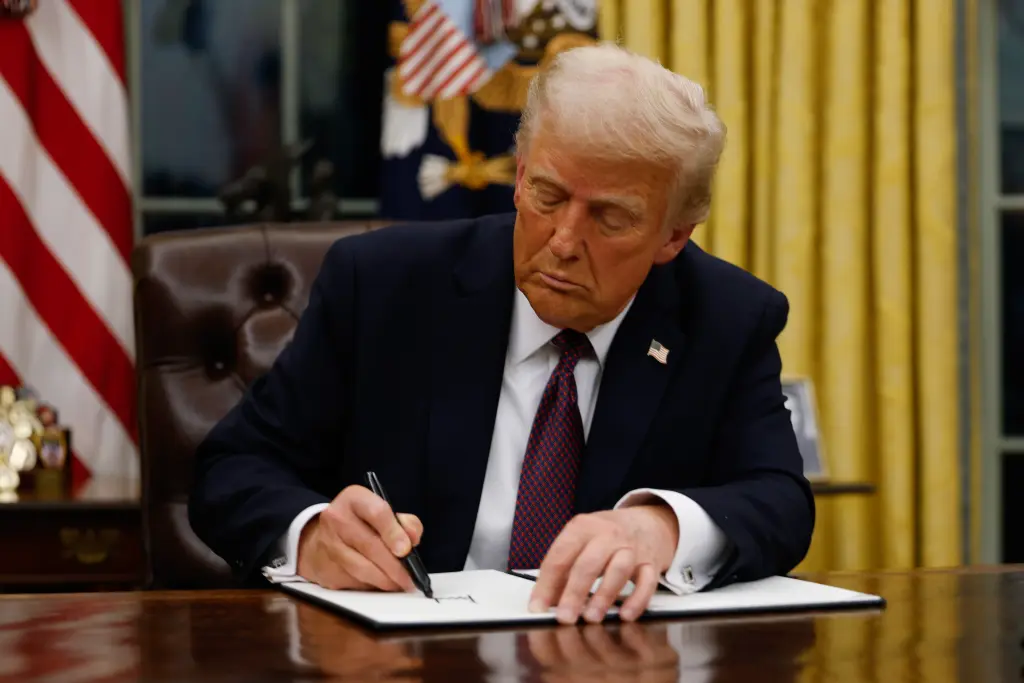
Trump signed an executive order early in his return to office seeking to reinterpret the citizenship clause of the Fourteenth Amendment to the United States Constitution. That amendment states that all persons born in the United States and “subject to the jurisdiction thereof” are citizens. Trump’s legal team argues that individuals in the country unlawfully—or temporarily—are not fully subject to U.S. jurisdiction, and therefore their children should not automatically receive citizenship.
Supporters of the policy, including legal advocate Mike Davis, say the Court must draw a firm line and uphold what they believe is the original meaning of the Constitution. They argue that the judiciary does not have the authority to expand citizenship beyond what the amendment intended and warn that the Court’s legitimacy could be questioned depending on its ruling.
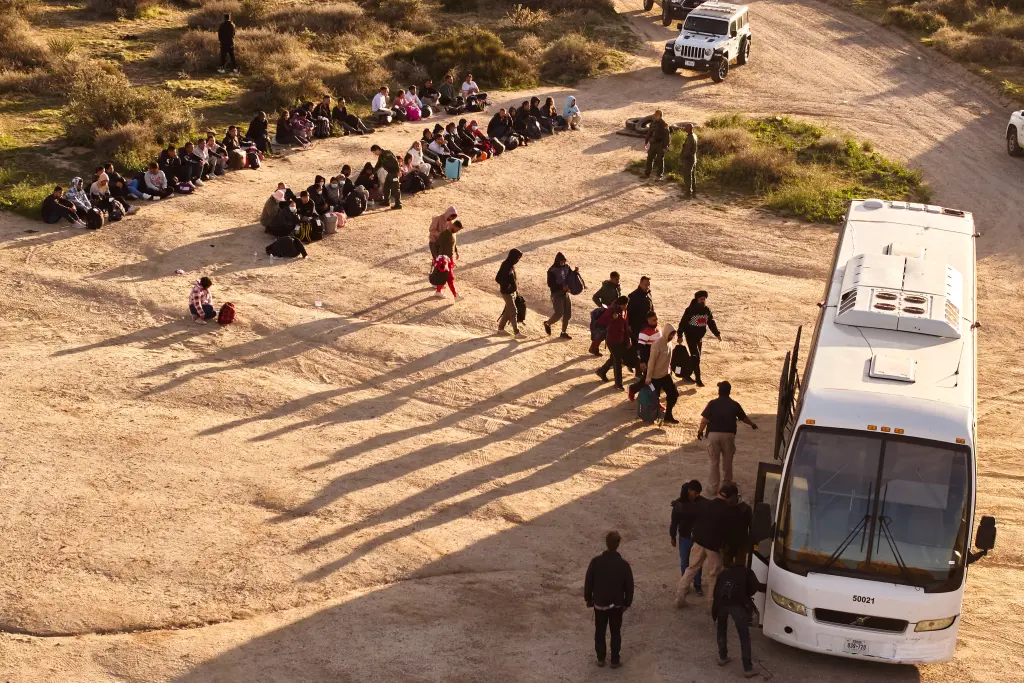
Opponents strongly disagree, pointing to long-standing precedent. Legal scholars note that birthright citizenship has been broadly interpreted for more than a century, particularly following the Supreme Court’s decision in United States v. Wong Kim Ark, which affirmed citizenship for a man born in the United States to immigrant parents. Critics argue that this precedent, along with decades of legal practice, makes Trump’s executive order difficult to defend.
Some legal experts also emphasize that the dispute is not only about constitutional interpretation but also about presidential authority. Professor Gerald Neuman argued that even if Congress might debate changes to citizenship rules, it is far less clear that a president can unilaterally alter them through executive order. Others, like Ilan Wurman, counter that presidents routinely interpret statutes and constitutional provisions in executing the law, leaving courts to decide disputes afterward.
The Court may also consider historical rulings such as Elk v. Wilkins, which addressed citizenship questions for Native Americans before Congress later clarified the issue through legislation. Trump’s supporters cite this as evidence that the meaning of “jurisdiction” has evolved and may still be open to interpretation.
Lower courts that reviewed Trump’s order have so far ruled against it, concluding that it conflicts with both constitutional text and established precedent. Nevertheless, the Supreme Court’s decision could reshape immigration law and citizenship policy in profound ways.
At stake is not only the legal definition of citizenship but also broader political debates over immigration, executive power, and constitutional interpretation. The ruling could determine whether the United States continues its long-standing practice of broadly granting citizenship to nearly all individuals born within its borders, or whether that principle will be narrowed for the first time in modern history.