If everything is above board, you’d think the explanation would be simple.
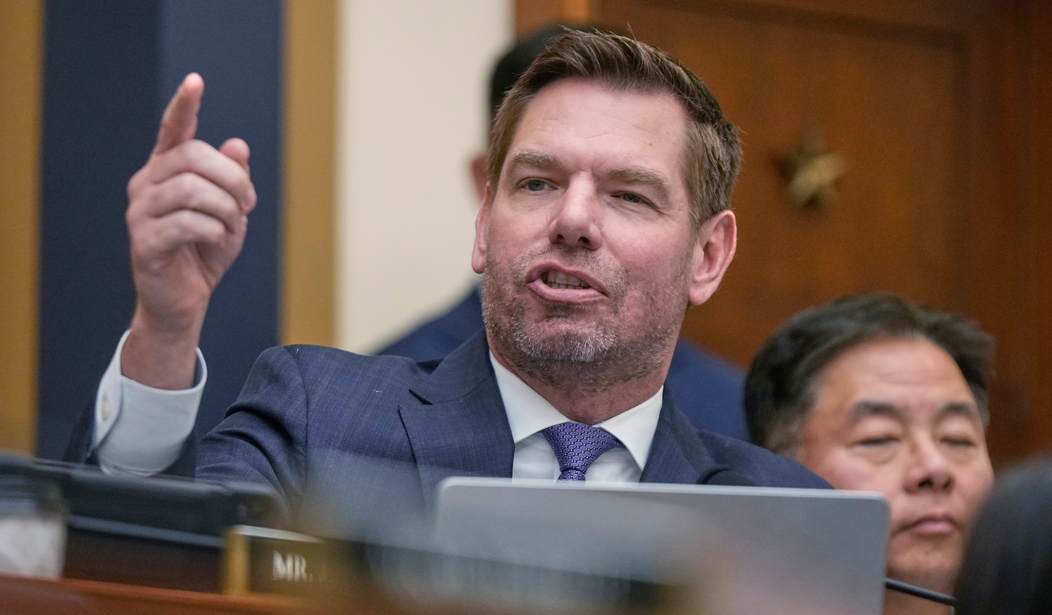
Instead, new campaign filings show that Eric Swalwell funneled more than $300,000 in campaign funds to criminal defense attorneys—spread across 44 separate payments—with no clear explanation tied to a specific case.
Yes, you read that right. Not one event. Not one investigation. Just a steady stream of legal payments over multiple years.
According to the filings, these payments continued across several reporting cycles, including periods when no new public investigations were even identified. That’s not exactly what you’d call a one-time legal emergency—it looks a lot more like ongoing legal involvement behind the scenes.
Swalwell’s campaign has pointed broadly to the political climate during the years Donald Trump was in office, suggesting potential investigations drove the need for legal counsel. But here’s the problem: the filings don’t actually connect the spending to any specific legal matter.
So voters are left with a pretty straightforward question—what exactly required over $300,000 in criminal defense services?
For comparison, Adam Schiff also faced scrutiny during similar periods, including reports of DOJ record sweeps. But his filings don’t show the same kind of spending on criminal defense attorneys. Later on, he opted to create a legal defense fund—at least a more transparent route.
Swalwell’s approach? Not so much.
And let’s be honest—when a sitting member of Congress is quietly spending hundreds of thousands in campaign cash on criminal defense lawyers, people are going to notice. And they’re definitely going to ask questions.
Because this isn’t about politics—it’s about accountability.
Come election time, voters will decide what those numbers mean. But one thing is certain: $300,000, 44 payments, and zero clear answers isn’t exactly a great look.
On the bright side, the system is working exactly how it should—these filings are public, the information is out there, and the voters get the final say.