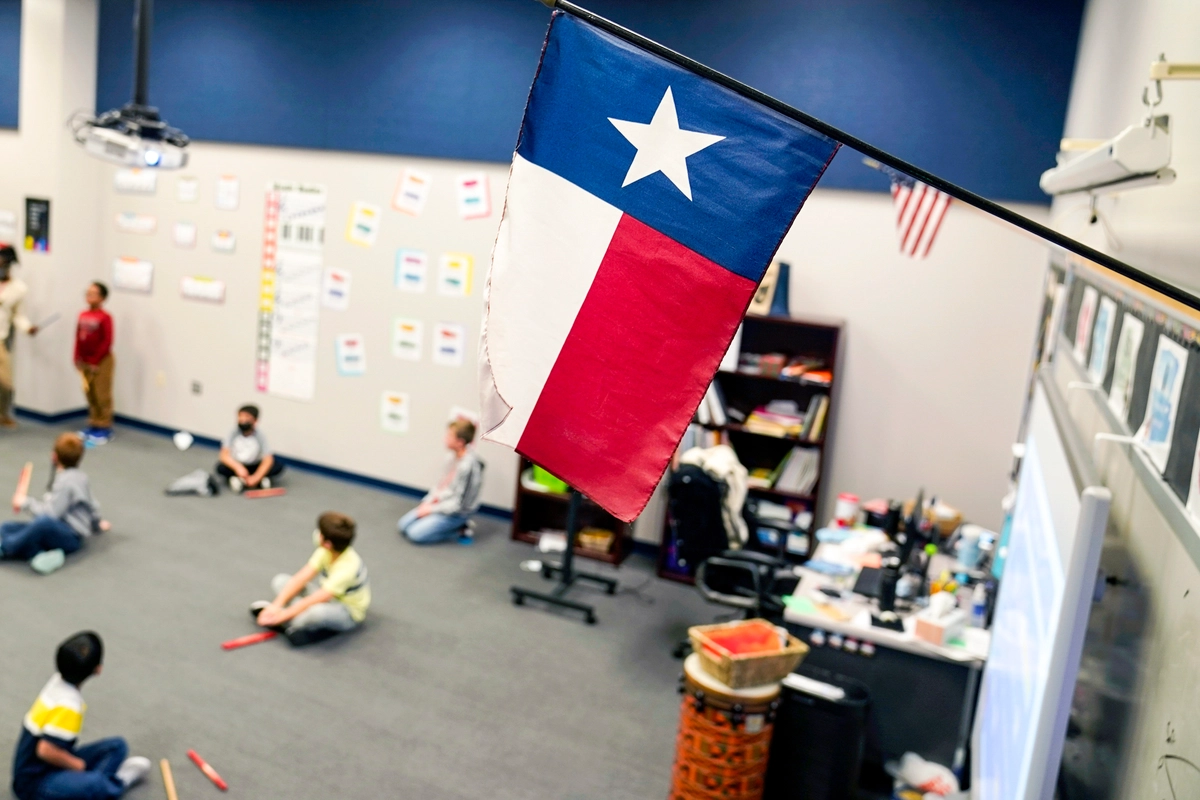
Texas has taken another major step in reshaping what students learn inside public school classrooms, approving a new statewide reading list that includes selected Bible stories for K–12 instruction.
The Texas State Board of Education signed off Friday on the curriculum update, which will reach more than 5 million public school students across the state — a move that immediately placed Texas at the center of the national debate over religion, education, and cultural identity.
Supporters say the decision reflects a return to foundational texts that have shaped Western civilization and American history. Critics argue it blurs the line between church and state. Texas, as usual, is not backing away from the fight.
Under the approved curriculum, students from elementary through high school will encounter passages drawn from the Bible as part of required reading materials in English and literature courses.
Third graders, for example, will study the story of Daniel in the lions’ den. Fifth graders will read sections from Exodus, including Moses and the burning bush and the parting of the Red Sea. Seventh graders will encounter Psalm 23 and the Beatitudes from the Gospel of Matthew.
By middle and high school, the material expands further. Students will read selections from Ecclesiastes — including “To everything there is a season” — as well as passages from Lamentations, the parable of the prodigal son, portions of the Book of Job, and excerpts from Genesis and Corinthians.
The board’s decision comes as Texas continues to push broader efforts to incorporate religious elements into public education. That includes a separate state law requiring the display of the Ten Commandments in classrooms, legislation that has faced ongoing legal challenges but has already been partially upheld on appeal and could ultimately reach the Supreme Court.
Texas has also authorized schools to employ or accept volunteer chaplains, allowing them to provide support services to students — another policy drawing both praise and legal scrutiny.
Predictably, the curriculum move has reignited familiar arguments.
Supporters say the inclusion of biblical literature is not about religious instruction, but about exposing students to texts that have influenced law, language, art, and moral philosophy for centuries. They argue that ignoring those references leaves students culturally and historically incomplete.
Opponents counter that the policy tilts too heavily toward Christianity and raises constitutional concerns, arguing that public schools should maintain strict neutrality when it comes to religion.
That tension is not new in Texas — but it is becoming more explicit.
At the center of it all is a broader national question that keeps resurfacing in statehouses and courtrooms: whether America’s educational system should reflect a strictly secular framework, or whether it should openly acknowledge the religious texts and traditions that shaped its origins.
President Donald Trump has previously voiced support for greater religious expression in schools, aligning with a broader conservative push to reintroduce faith-based references into public life.
And in Texas, that cultural direction is no longer theoretical — it is being written directly into the curriculum students will read next year in classrooms across the state.