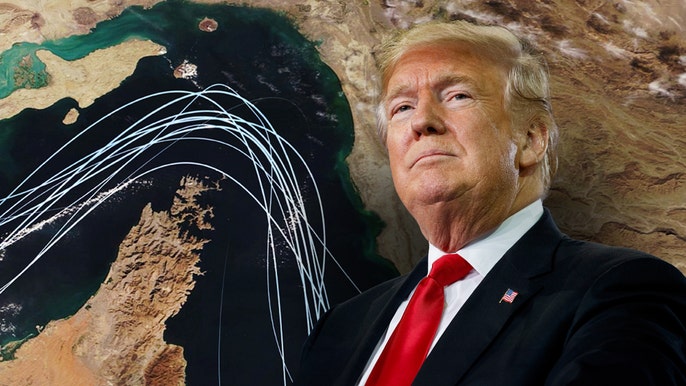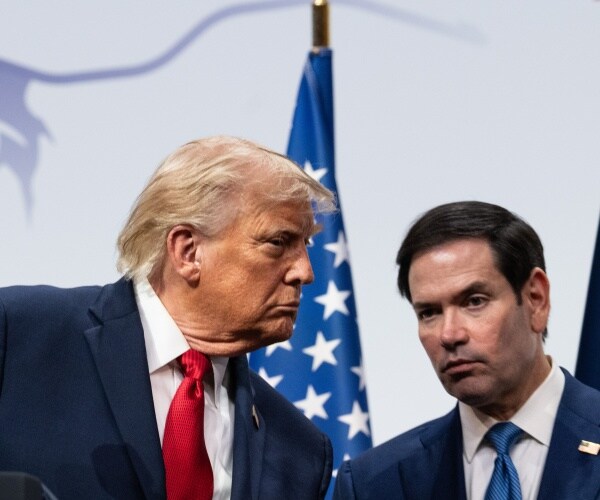
Early signs of the next round of U.S.–Iran diplomacy suggest a difficult road ahead, as negotiators prepare to meet in Switzerland under rising regional tension and increasingly aggressive public messaging from both sides.
On Saturday, Iran announced that it had closed the Strait of Hormuz, citing continued Israeli military activity in Lebanon and accusing the United States of failing to uphold commitments connected to the current interim framework.
At the same time, Iranian officials indicated their negotiators would still travel to Switzerland for talks with the United States—but made clear they do not expect major breakthroughs if fighting in the region continues.
The message from Tehran appeared intentionally contradictory: diplomacy remains open, but expectations are low and leverage remains on the table.
Meanwhile, President Donald Trump responded with his own escalation in tone. Trump said that if a final agreement with Iran is not reached within 60 days, the United States could impose tolls on transit through the Strait of Hormuz. In a social media post, he argued such payments would compensate America for acting as what he described as a regional “Guardian Angel” for Middle Eastern countries.
The remark also referenced provisions that reportedly allow toll-free passage during the current 60-day interim arrangement.
The negotiations themselves are expected to begin at the technical level, with mediation efforts involving Pakistan and additional participation from Qatar.
Supporters of Trump’s harder line argue that economic and strategic pressure remains one of the few tools that consistently brings adversarial governments to the negotiating table. From that perspective, signaling consequences early may strengthen America’s position before any final agreement is discussed.
Critics, however, warn that public threats tied to one of the world’s most important shipping corridors risk increasing uncertainty at a moment when regional tensions are already elevated. They argue that diplomacy works best when leverage exists quietly rather than becoming part of the public spectacle.
The larger concern goes beyond one meeting in Switzerland.
The Strait of Hormuz remains one of the world’s most strategically important maritime chokepoints, and even rhetorical disputes around access can ripple across energy markets, regional alliances, and global confidence.
For now, negotiators are still boarding planes, mediators are still organizing meetings, and both sides are still speaking the language of diplomacy.
But the opening mood appears clear: trust remains limited, expectations are controlled, and neither side seems interested in entering the room looking eager for a deal.