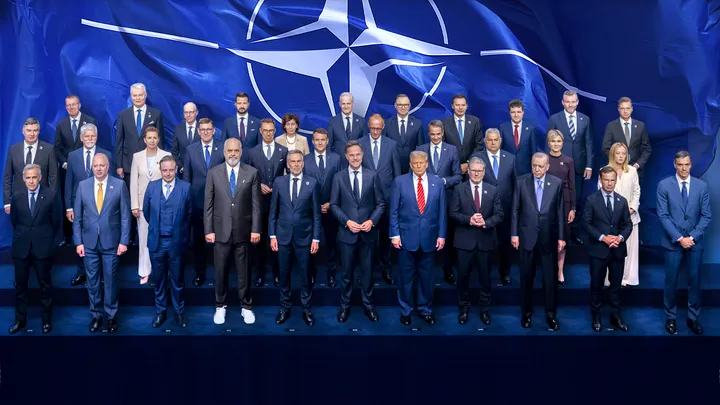
For more than 30 years, the United States shouldered the largest share of NATO’s military responsibilities while many European allies spent considerably less on defense than successive American administrations believed was necessary.
The imbalance endured through the end of the Cold War, multiple changes in leadership on both sides of the Atlantic, and countless debates about burden sharing within the alliance. Despite repeated calls from Washington for allies to increase their military commitments, progress remained slow for decades.
Following the collapse of the Soviet Union, many European nations reduced defense spending as they shifted focus toward domestic priorities and assumed that major military threats to the continent had largely diminished. As a result, the United States continued to provide a substantial portion of NATO’s military capabilities and overall defense resources.
American leaders from both political parties routinely expressed concerns about the arrangement, arguing that a stronger and more balanced alliance required all members to contribute a fair share to collective security. Yet year after year, many countries fell short of spending targets while relying heavily on the security umbrella provided by the United States.
The issue remained a recurring source of tension within NATO, with Washington frequently urging allies to invest more in their own defense capabilities. For many Americans, the question was straightforward: if a threat affected the entire alliance, why should one nation consistently carry most of the financial burden?
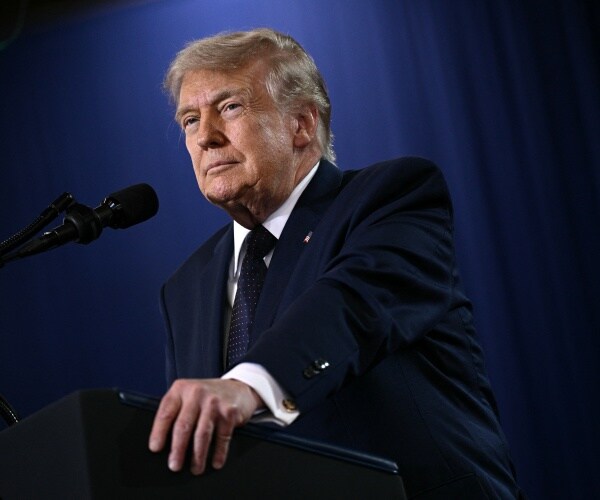
A major shift began to emerge following Russia’s invasion of Ukraine in 2022, which renewed concerns about European security and highlighted the importance of military readiness. At the same time, President Donald Trump’s continued pressure on NATO members brought renewed attention to defense spending commitments and burden-sharing obligations.
As security concerns intensified, many NATO countries began increasing military expenditures at levels not seen in years. Governments that had previously been reluctant to boost defense budgets suddenly found greater urgency in strengthening their armed forces. Apparently, nothing motivates defense spending quite like realizing that national defense actually matters.
The recent increases mark one of the most significant changes in NATO’s financial structure in decades. While debates over burden sharing are unlikely to disappear entirely, the alliance is now moving toward a model in which more members are contributing larger shares to collective defense.
As NATO adapts to new global challenges, supporters argue that a stronger balance of responsibilities will help ensure the alliance remains effective, resilient, and prepared to meet future threats while reinforcing the principle that collective security requires collective commitment.