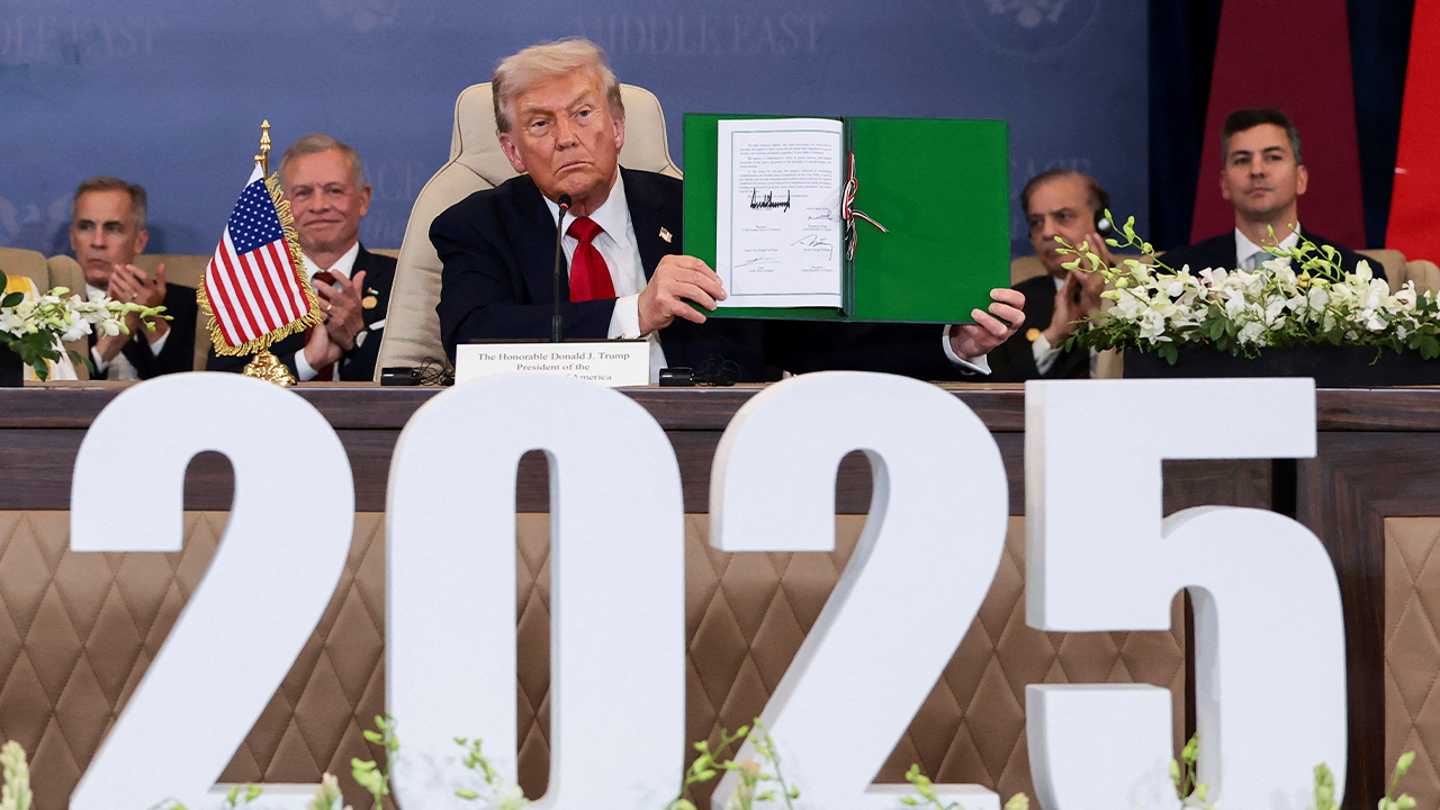
WASHINGTON — While President Trump’s One Big Beautiful Bill Act promises major tax relief for working Americans in 2026, most states are refusing to fully pass those savings along — and many of the holdouts just happen to be deep-blue strongholds.
According to tax experts cited by The New York Post, only eight states are currently positioned to allow residents to fully benefit from Trump’s popular tax provisions, which include no federal tax on tips, no tax on overtime pay, and new deductions for seniors relying on Social Security. The rest? Either dragging their feet — or outright blocking the relief.
Under the law, tipped wages and overtime pay are exempt from federal income taxes beginning Jan. 1. But unless states update their own tax codes, workers will still get hit at the state level. And so far, states like New York, Illinois, and California have shown little interest in giving workers that extra break.
Why? Money. Or more precisely, fear of losing it.
Reuters reported that several blue states are balking at conforming to the federal tax changes because of potential multi-billion-dollar budget shortfalls. New York alone could lose as much as $1.7 billion in revenue if it fully adopts the provisions.
Treasury Secretary Scott Bessent didn’t mince words earlier this month, accusing blue-state leaders of acting like holiday villains.
“No Tax on Tips for service workers. No Tax on Overtime for linemen and factory workers. A new deduction for seniors,” Bessent said — before charging that states like New York and Illinois are “deliberately blocking” the relief.
Not all states are playing Grinch, however.
Some states automatically conform to the federal tax code through what’s known as “rolling conformity,” meaning the new deductions apply unless lawmakers explicitly opt out. Those states include South Carolina, North Dakota, Montana, Idaho, Iowa, and Oregon.
Colorado was briefly lumped in with the blockers, but state officials pushed back.
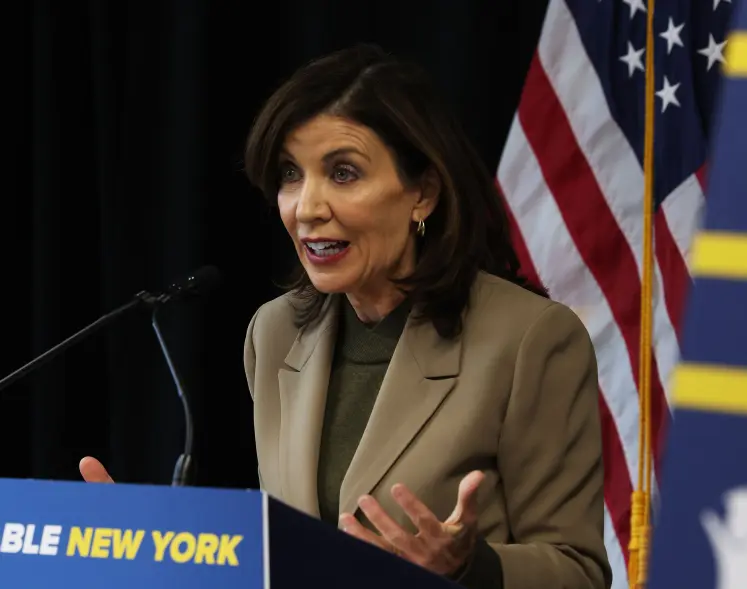
“Claims that Colorado is refusing to adopt the majority of tax changes from H.R. 1 are not accurate,” a spokesperson for Democratic Gov. Jared Polis said, noting that most provisions are automatically incorporated unless the legislature intervenes.
Still, conformity varies widely.
According to Adam Michel of the Cato Institute, states that start with federal taxable income generally absorb the deductions automatically. Others — both red and blue — run their own systems and must pass new legislation to adopt the changes.
So far, Michigan, under Democratic Gov. Gretchen Whitmer, is the only state to explicitly adopt the tax breaks for overtime and tipped wages. Republican-led Kentucky and North Carolina are considering similar moves.

As it stands:
-
South Carolina, North Dakota, Montana, and Idaho fully conform to Trump’s tax breaks.
-
Oregon and Iowa adopt most provisions but exclude the enhanced senior deduction.
-
Colorado keeps the senior benefit but drops the overtime exemption.
Tax Foundation vice president Jared Walczak says the hesitation isn’t strictly partisan — though the map tells its own story.
“These deductions aren’t particularly efficient tax policy and they do come at a cost,” Walczak said. “Most states simply won’t do so.”
That hasn’t stopped blue-state leaders from leaving the door open — at least rhetorically.
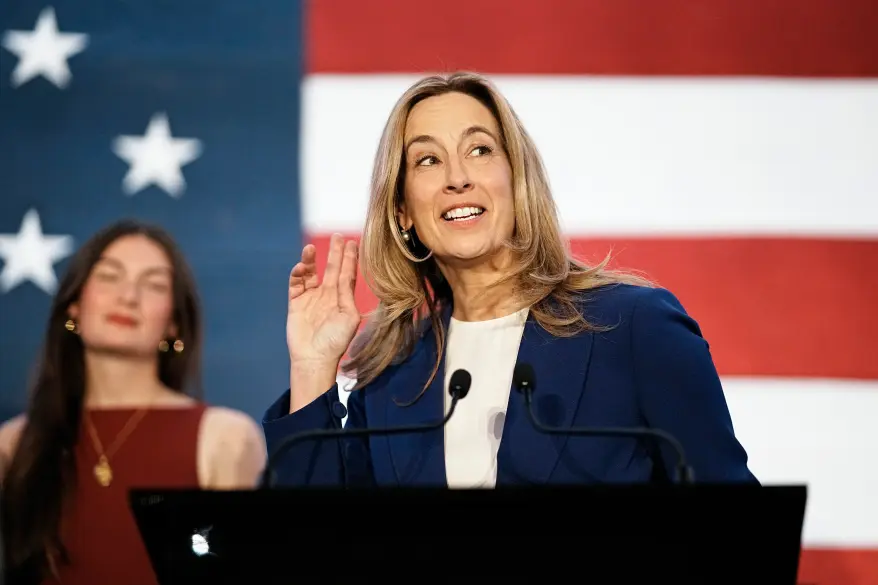
A spokesperson for New York Gov. Kathy Hochul said the state would “evaluate federal changes” during the upcoming budget process. California officials, meanwhile, acknowledged that new legislation would be required for the state to conform — a polite way of saying don’t hold your breath.
Bottom line: Trump’s tax cuts are coming. Whether workers actually feel them will depend less on Washington — and more on whether their state governments decide to stop protecting bloated budgets at the expense of paychecks.