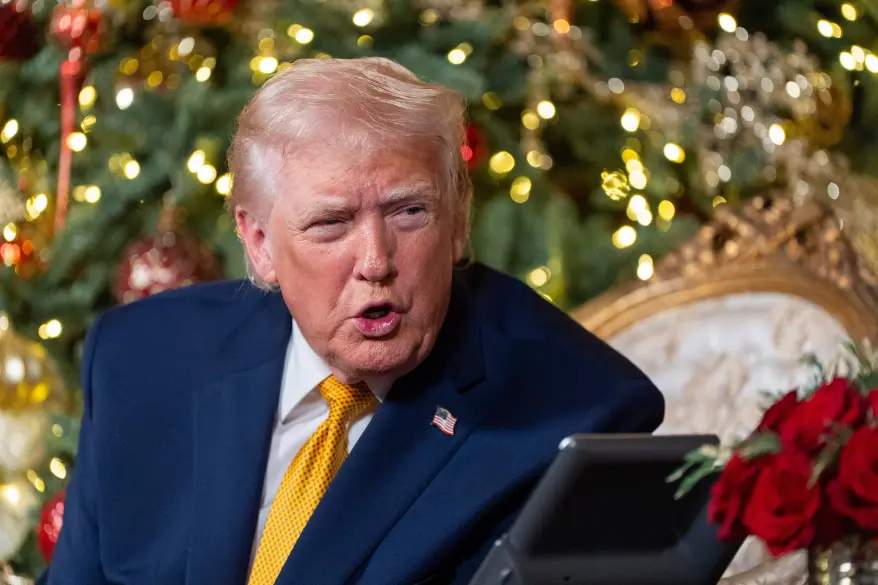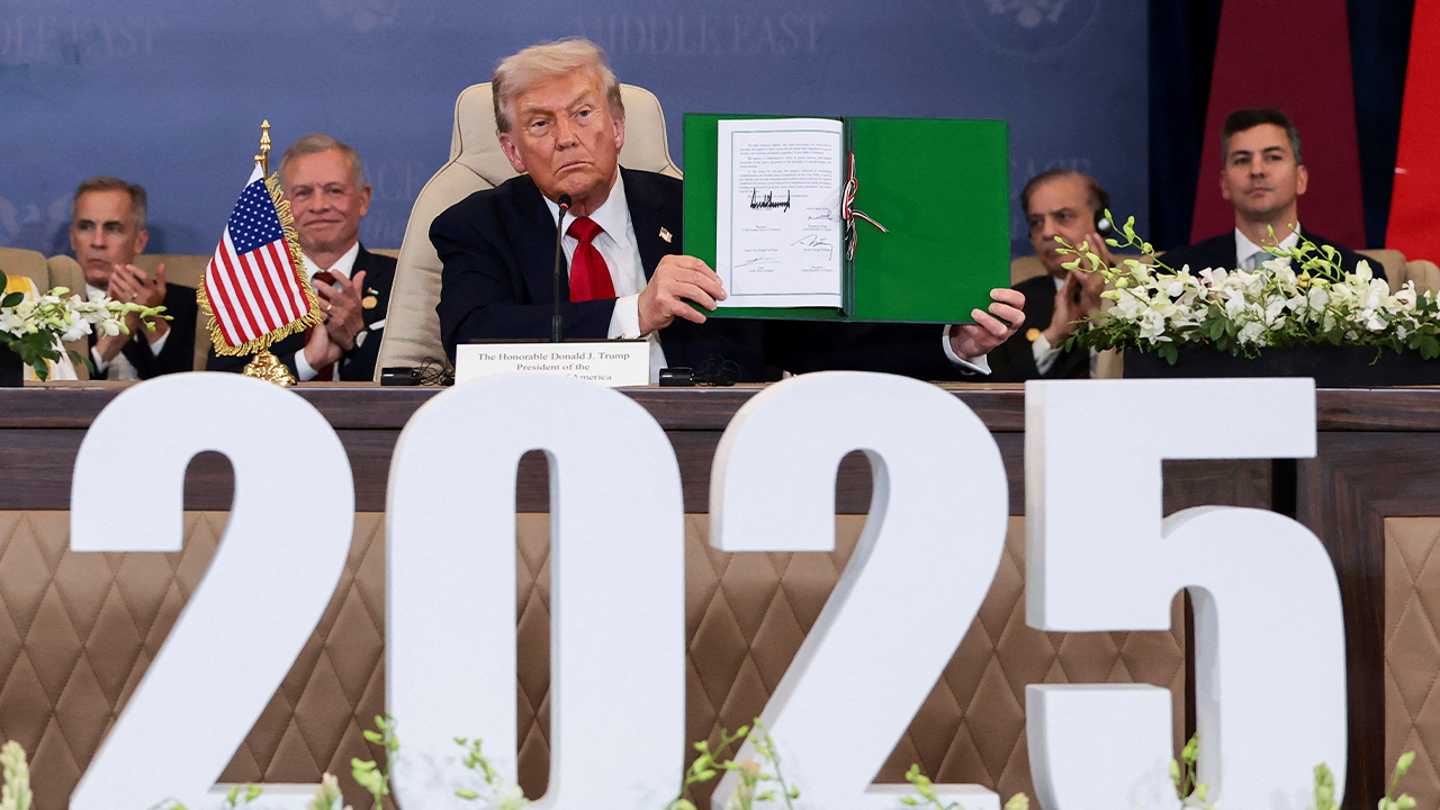
Donald Trump entered 2025 with a clear, unapologetic mission: end wars, stop the bleeding, and remind the world that strength—not endless lectures—brings peace. Throughout the year, Trump framed U.S. diplomacy around his long-standing doctrine of “peace through strength,” repeatedly telling reporters, “We think we have a way of getting peace.” He even floated the idea that his record deserved a Nobel Peace Prize—an idea that, unsurprisingly, made critics very uncomfortable.
The State Department backed that framing in its year-end summary, highlighting diplomatic initiatives aimed at “securing peace around the world.” And by the end of 2025, the results spoke for themselves: several conflicts saw real diplomatic movement, while others—after years of hatred and violence—proved more stubborn but not ignored.
The administration pointed to the ceasefire as a cornerstone of its 2025 record. While the truce largely held through year’s end, major issues remain unresolved, including Gaza’s long-term governance, demilitarization, enforcement mechanisms, and rebuilding after massive destruction and displacement. U.S. officials continued coordinating with regional partners as fighting paused, and Israeli Prime Minister Benjamin Netanyahu is expected to meet with President Trump next week to discuss Gaza and other regional issues.
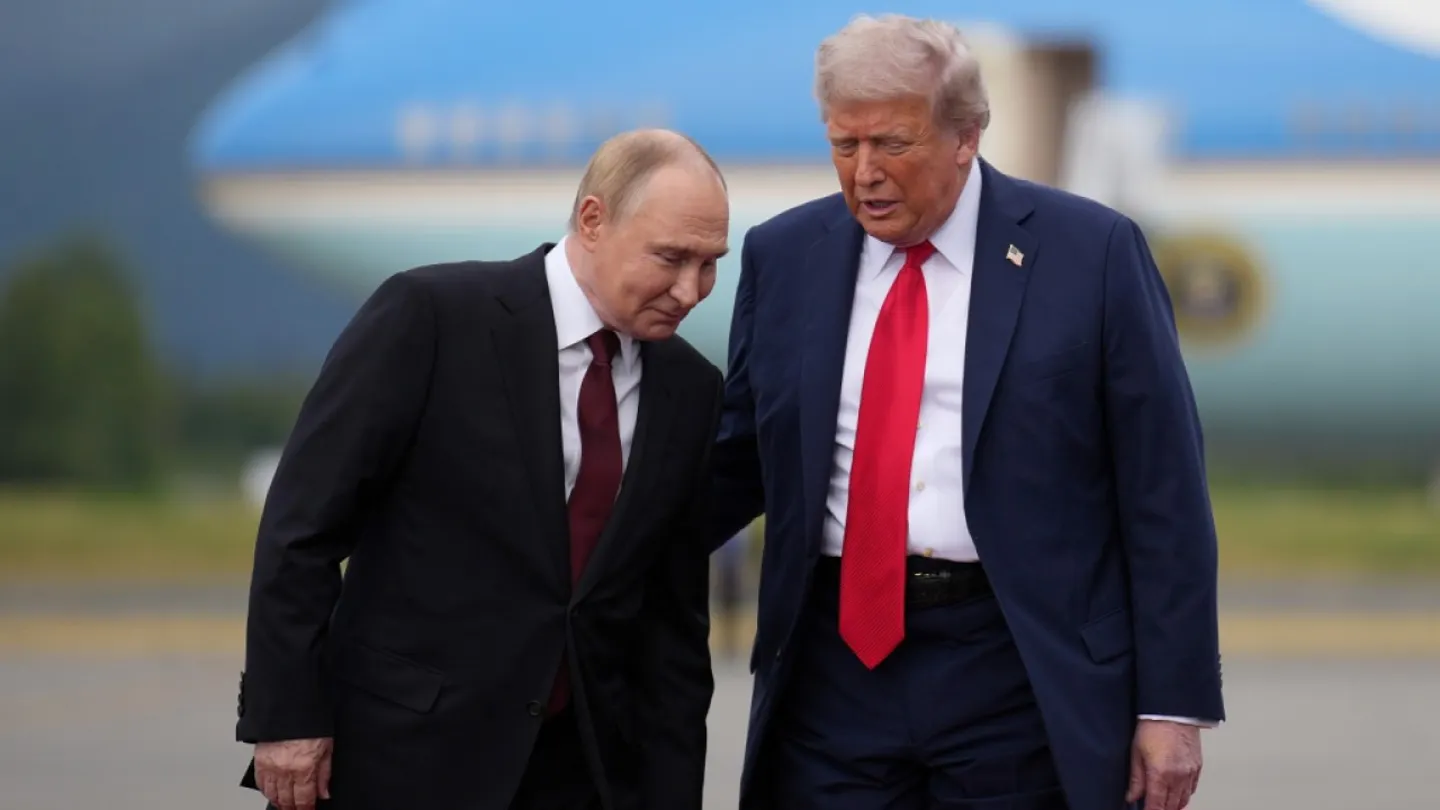
Ukraine remained the most ambitious—and elusive—peace target of Trump’s 2025 agenda. The year began with Trump insisting the war could be ended through direct U.S. engagement and leverage over both Kyiv and Moscow. Diplomacy intensified in August when Trump hosted Russian President Vladimir Putin in Alaska, a summit billed as a test of whether personal diplomacy could unlock a settlement. (Talking instead of shouting—imagine that.)
At the same time, Ukrainian President Volodymyr Zelenskyy visited the White House, where Trump reiterated U.S. support for Ukraine while making clear that peace would require difficult compromises. U.S. officials explored security guarantees and economic incentives, carefully avoiding public commitments on borders or NATO membership.
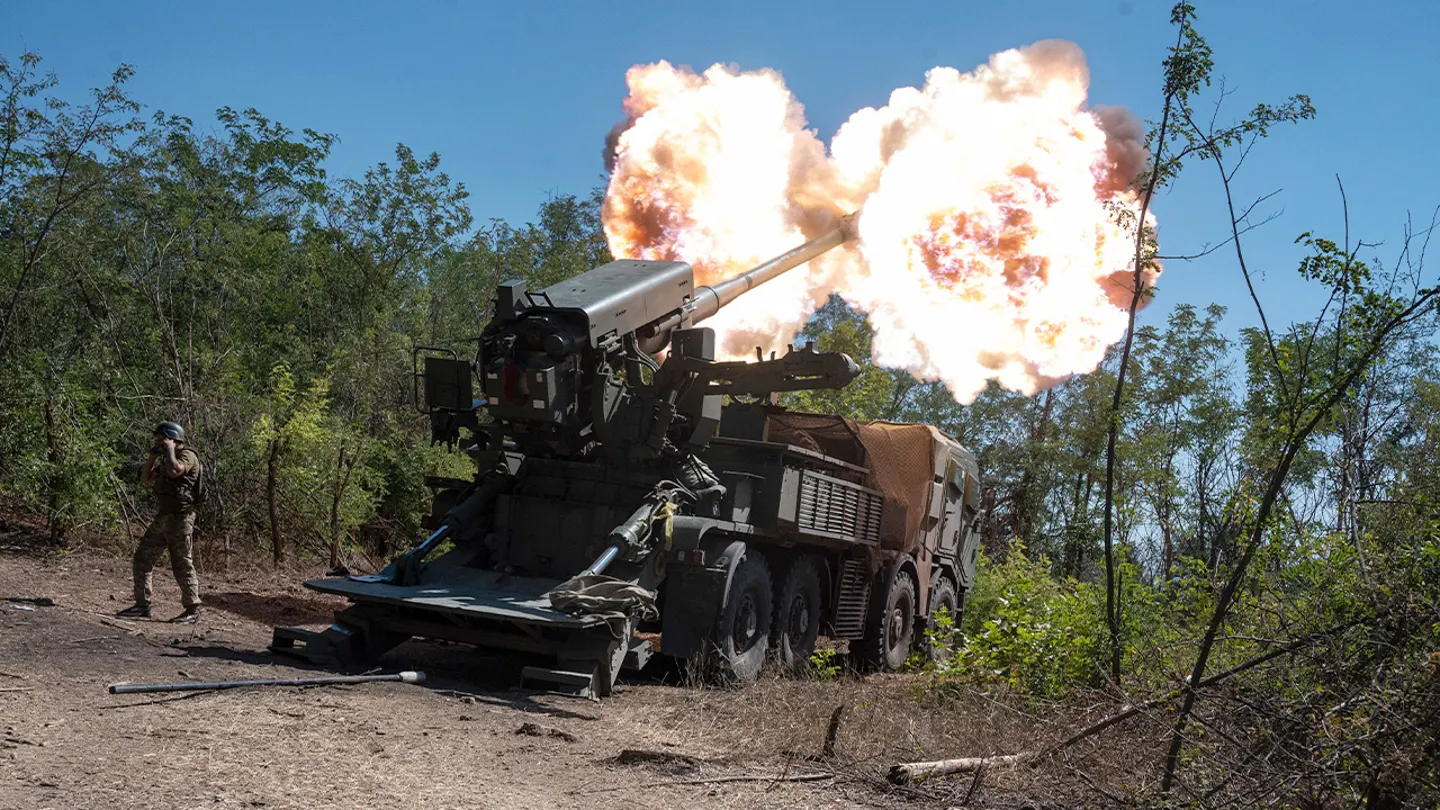
By December, talks accelerated. Ukraine entered new rounds of U.S.-led negotiations, and Trump said the sides were “getting close to something.” On Christmas, Zelenskyy confirmed that talks with U.S. officials produced a 20-point plan and accompanying documents involving security guarantees among Ukraine, the United States, and European partners. He admitted the framework wasn’t perfect but called it a tangible step forward. Zelenskyy is reportedly preparing to meet with President Trump soon, possibly as early as Sunday.
Russia, according to Bloomberg, sees the 20-point plan as a starting point. A person close to the Kremlin said Moscow intends to seek key changes, including additional restrictions on Ukraine’s military, arguing the proposal leaves many questions unanswered. Negotiations, in other words, are doing what negotiations do—but they’re happening.
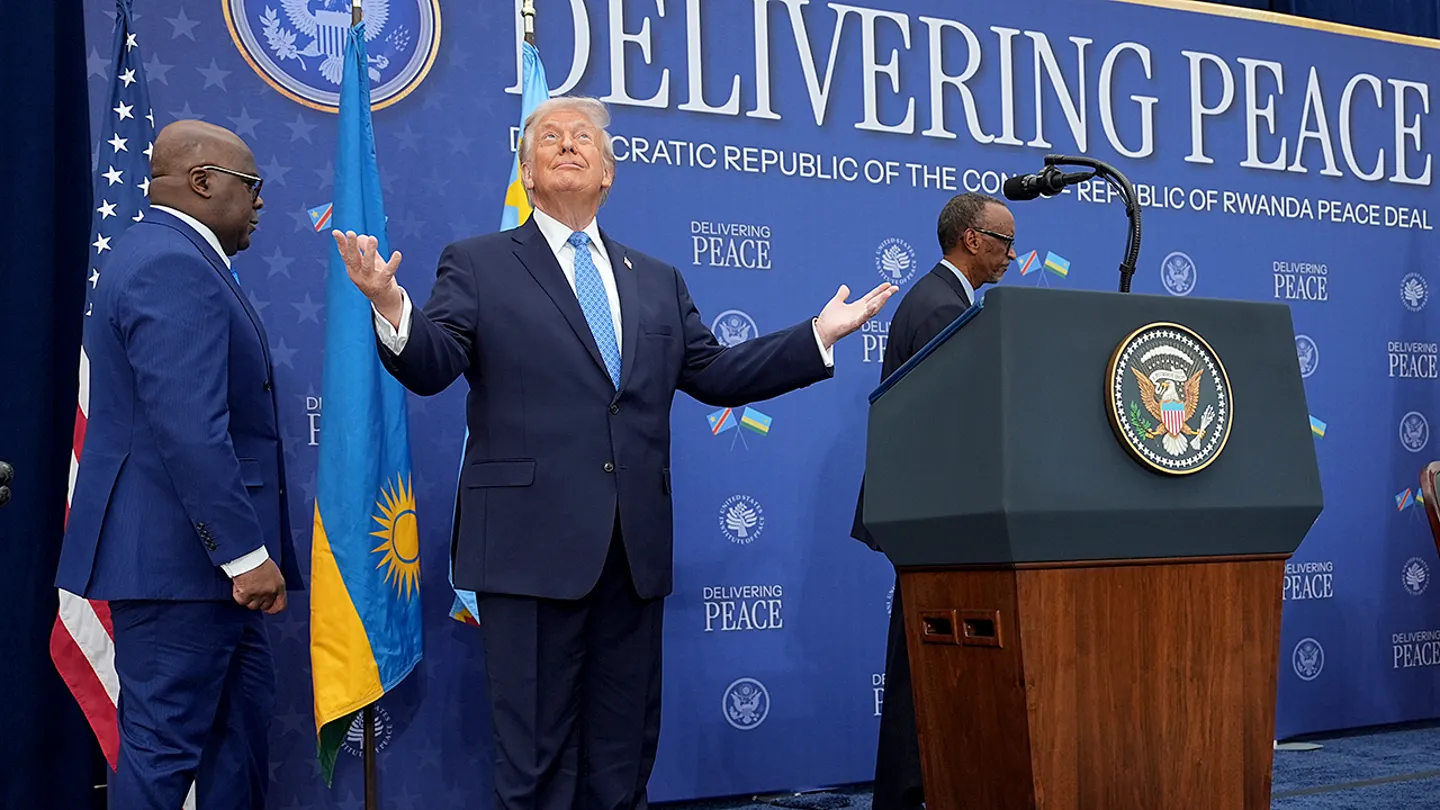
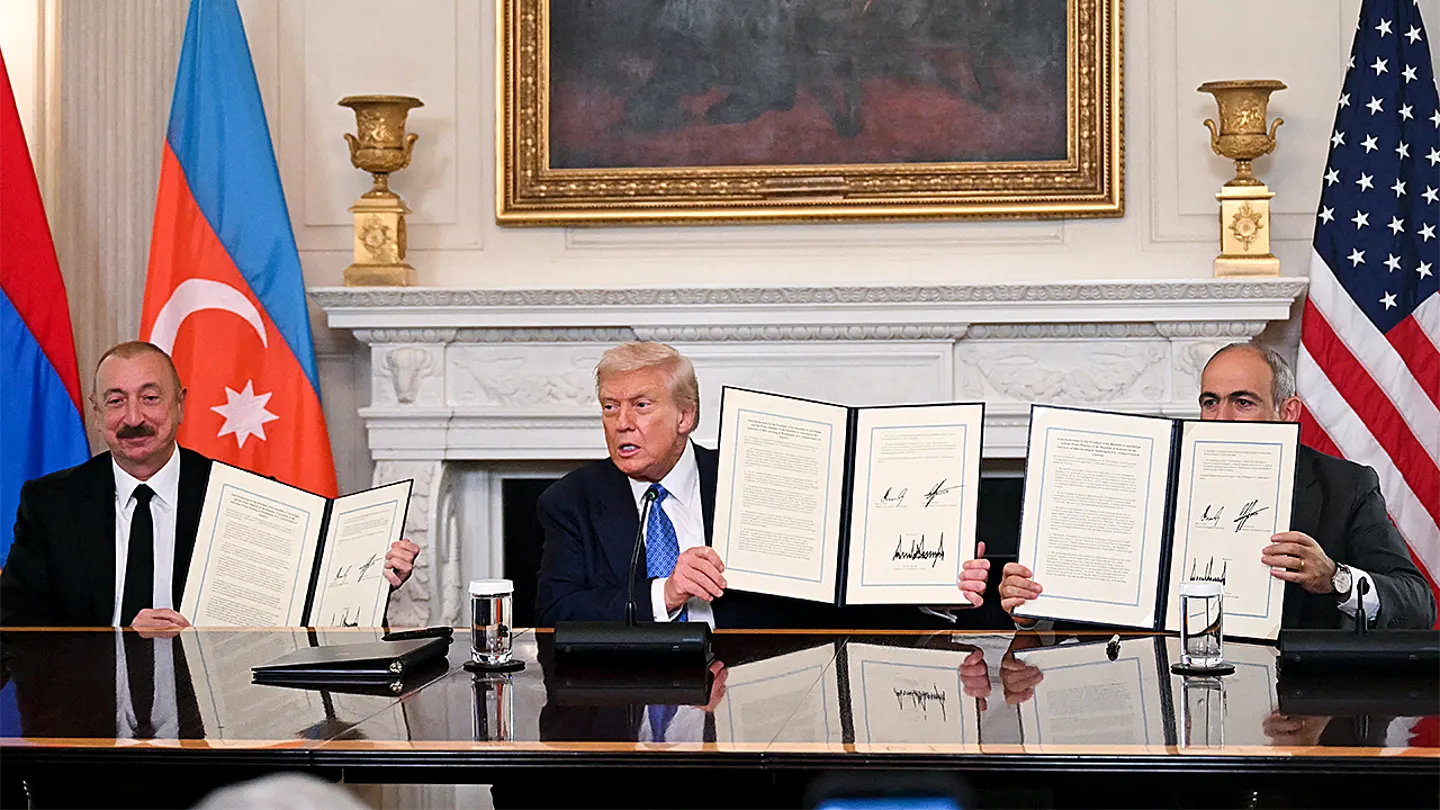
In early December, Trump hosted the signing of the Washington Accords for Peace and Prosperity between the Democratic Republic of Congo and Rwanda. The agreement reaffirmed commitments to end decades of conflict and expand economic cooperation through regional integration. While armed groups remained active in eastern Congo, both sides appeared invested in long-term peace—an important foundation in a region long defined by instability.
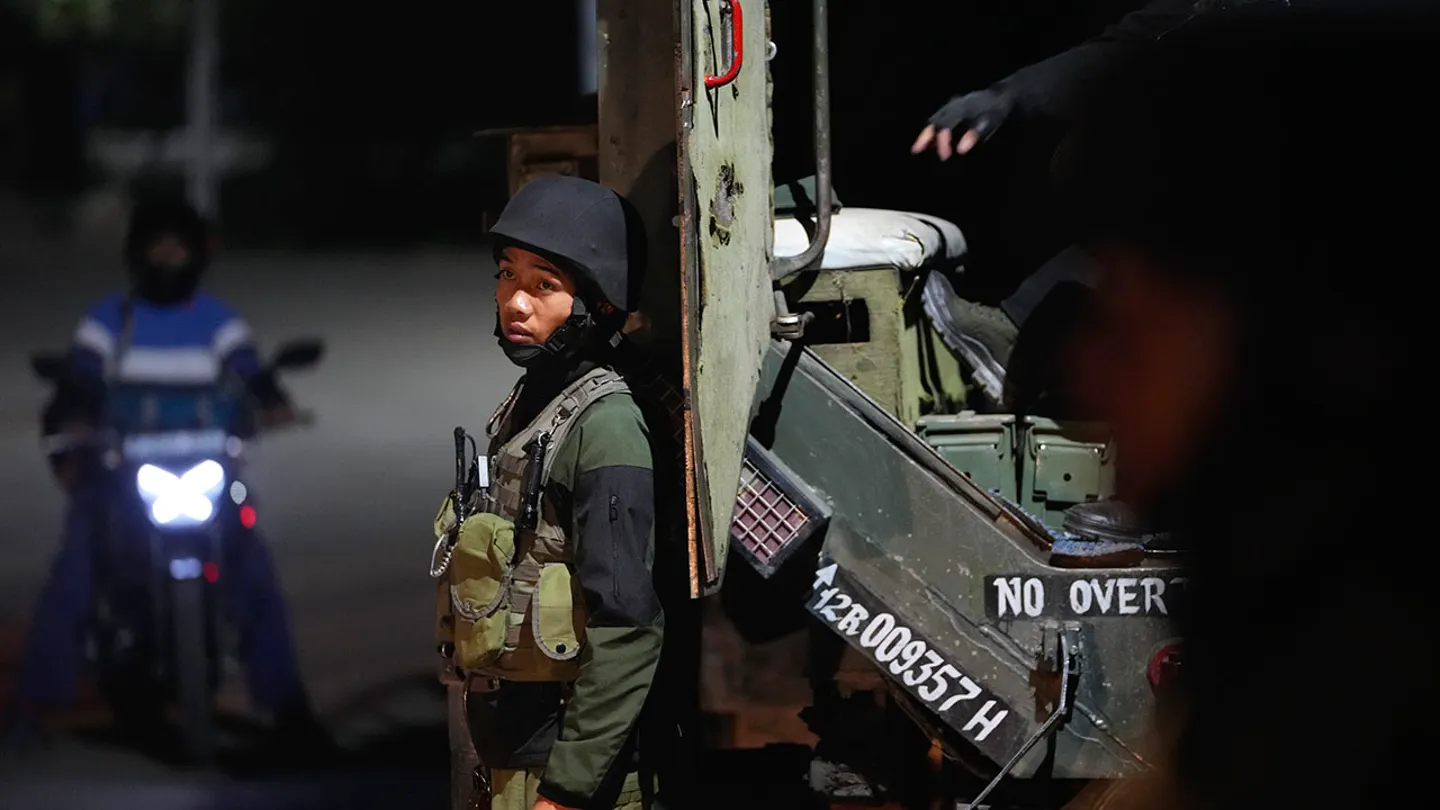
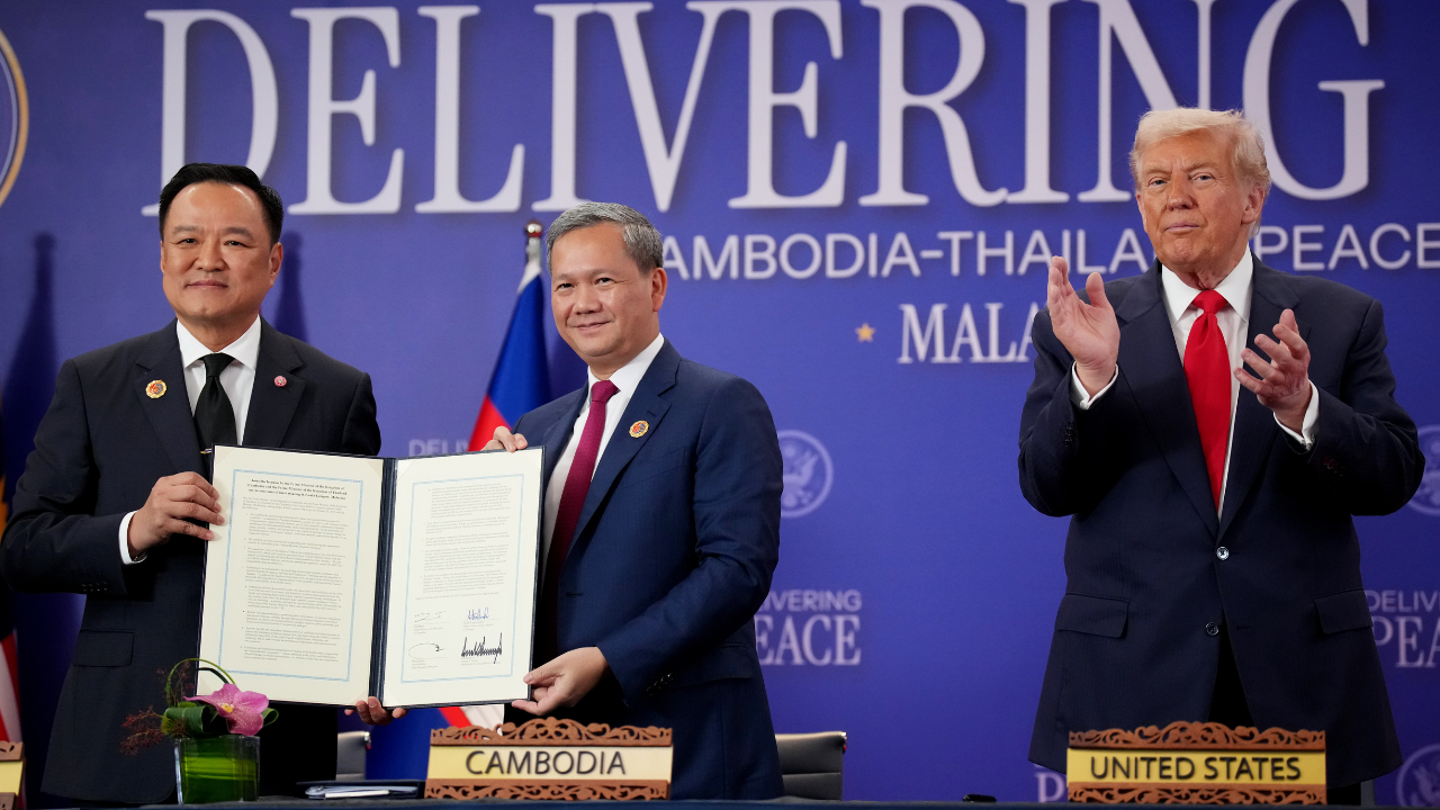
On the sidelines of an ASEAN summit, Trump helped mediate a ceasefire between Cambodia and Thailand after months of border clashes. While tensions flared again and displacement continued, ASEAN-led efforts—supported by the U.S.—persisted. Following recent flare-ups and mediation offers from Secretary of State Marco Rubio, a new ceasefire was agreed to on Saturday, ending weeks of fighting along the border.
Sudan remained one of the world’s deadliest conflicts. U.S. diplomacy centered on halting fighting and expanding humanitarian access rather than forcing a rushed peace. In December, Saudi Arabia and the United States presented Sudanese army chief Abdel Fattah al-Burhan with a three-point proposal aimed at ending the war, facilitating aid, and transferring power to civilians.
As 2025 closed, Venezuela stood out as the clearest point of direct confrontation. The administration framed its stance as an extension of “peace through strength,” relying on pressure rather than talks. Trump continued to label Nicolás Maduro a criminal threat tied to drug trafficking, accusing him of rejecting election results and stealing the presidency. With no diplomatic channel open, the U.S. maintained sweeping sanctions and intensified efforts against cartel networks linked to the regime. Some opposition figures and U.S. allies argued that sustained pressure could still drive political change in 2026.
Taken together, Trump’s 2025 record shows a foreign policy that didn’t chase headlines—it chased results. Not every conflict was solved, but wars paused, talks resumed, and rivals came to the table. In a world accustomed to endless conflict management, “peace through strength” proved it could still move the needle—and that’s a positive note worth ending on.