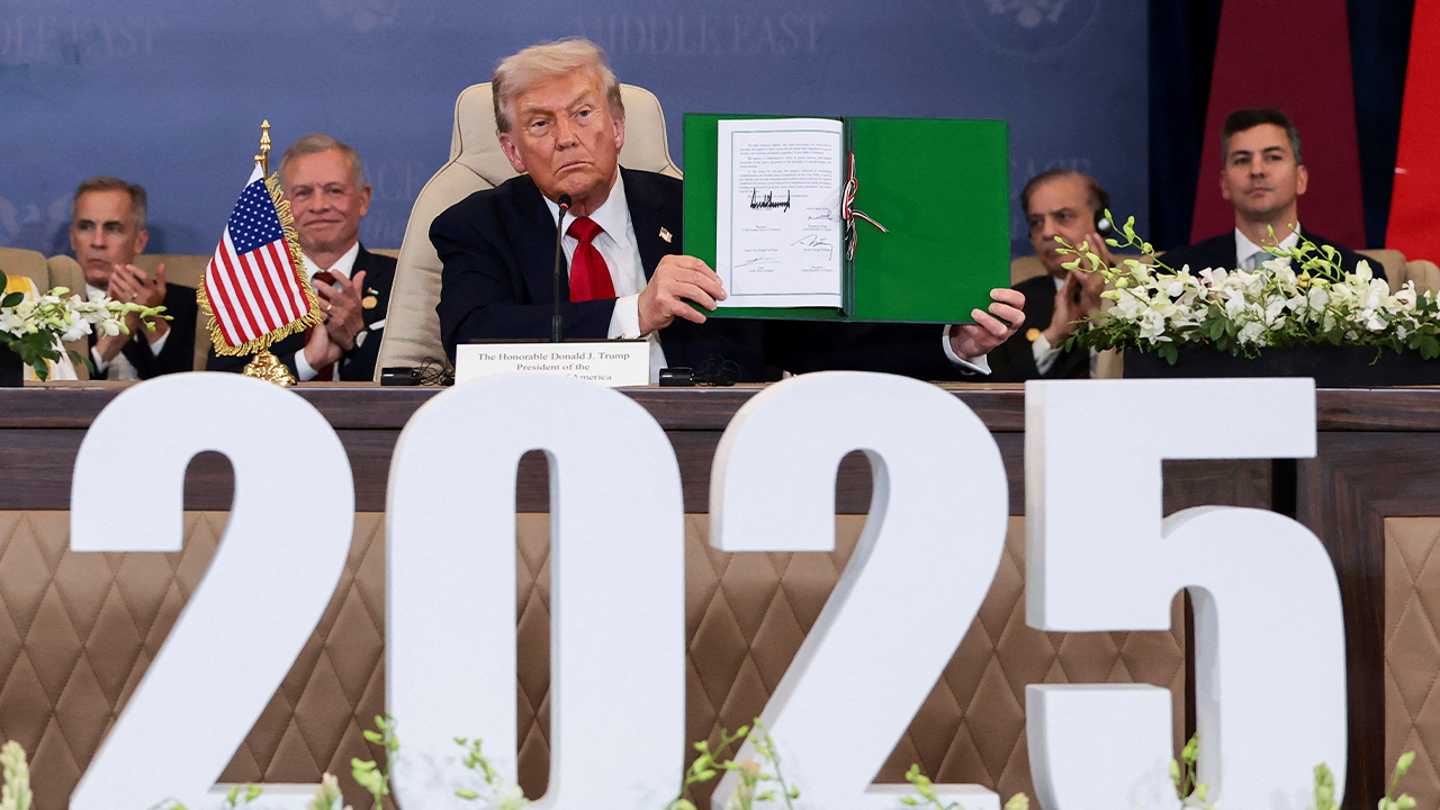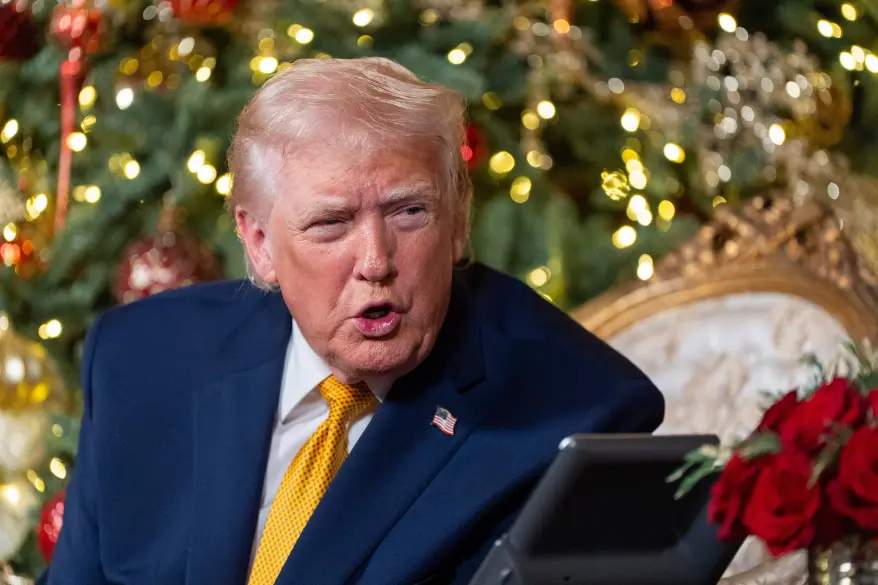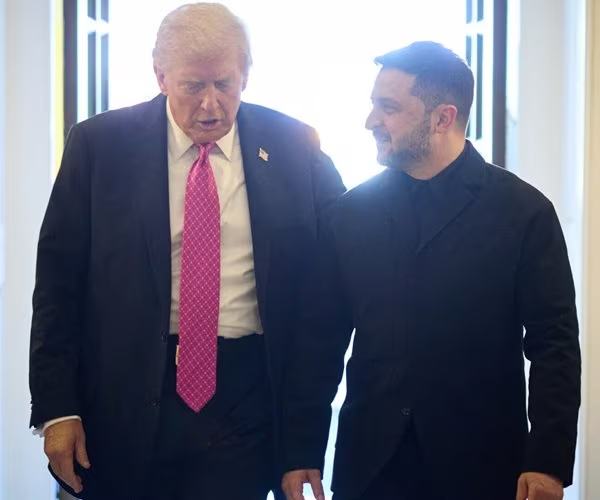
President Donald Trump made his position unmistakably clear ahead of his Sunday meeting with Ukrainian President Volodymyr Zelenskyy at Mar-a-Lago, bluntly signaling who holds the real leverage in ongoing peace discussions over the war in Ukraine.
“He doesn’t have anything until I approve it,” Trump told Politico, referring to Zelenskyy’s newly unveiled 20-point peace plan. “We’ll see what he’s got.” Direct, unapologetic, and very on-brand for a president who believes negotiations work best when everyone understands the power dynamic.
Despite the tough talk, Trump expressed confidence that the meeting will be productive. “I think it’s going to go good with him,” he said of Zelenskyy, adding that he also hopes to meet soon with Russian President Vladimir Putin. “I think it’s going to go good with Putin.” Trump further noted that he would meet with Putin “as much I want,” underscoring his hands-on approach to foreign policy.
Zelenskyy’s latest proposal reportedly includes freezing the war along the current front lines, allowing Ukraine to pull back troops from eastern areas and creating demilitarized buffer zones. The plan also touches on sensitive issues such as the Zaporizhzhia nuclear power plant, territorial control of the Donbas region, and a demand that Russia withdraw forces from part of Donetsk.
In recent days, Zelenskyy met with Trump’s special envoy Steve Witkoff and Trump’s son-in-law Jared Kushner, describing the talks as a “good conversation.” A senior U.S. official told Axios the discussions were “positive and constructive,” claiming the administration has made more progress in the past two weeks than what was achieved during a year of stalled diplomacy. Funny how momentum appears when decisive leadership returns to the table.
Russia, however, has already signaled resistance. On Friday, Moscow accused Zelenskyy and his European Union backers of attempting to “torpedo” a U.S.-brokered effort to halt the fighting. The Kremlin confirmed that foreign policy aide Yuri Ushakov held calls with U.S. officials, while Deputy Foreign Minister Sergei Ryabkov publicly criticized Zelenskyy’s position.
Ryabkov said any final agreement would depend on political will and warned that Kyiv and its EU supporters were actively undermining progress. He also claimed Zelenskyy’s proposal “differs radically” from points previously discussed between U.S. and Russian officials and stressed that any deal must stay within the framework established by Trump and Putin during their August meeting in Alaska.
That detail matters. It reinforces what many already know: when Trump is involved, negotiations have structure, limits, and—most importantly—a chance of success. While critics may bristle at Trump’s blunt style, results-oriented diplomacy has always been his calling card.
As talks move forward, the fact that all sides are engaging again is a positive sign. With firm leadership, clear boundaries, and a willingness to deal directly with all parties, the path toward stability looks more realistic than it has in years—and that’s something worth being optimistic about.